

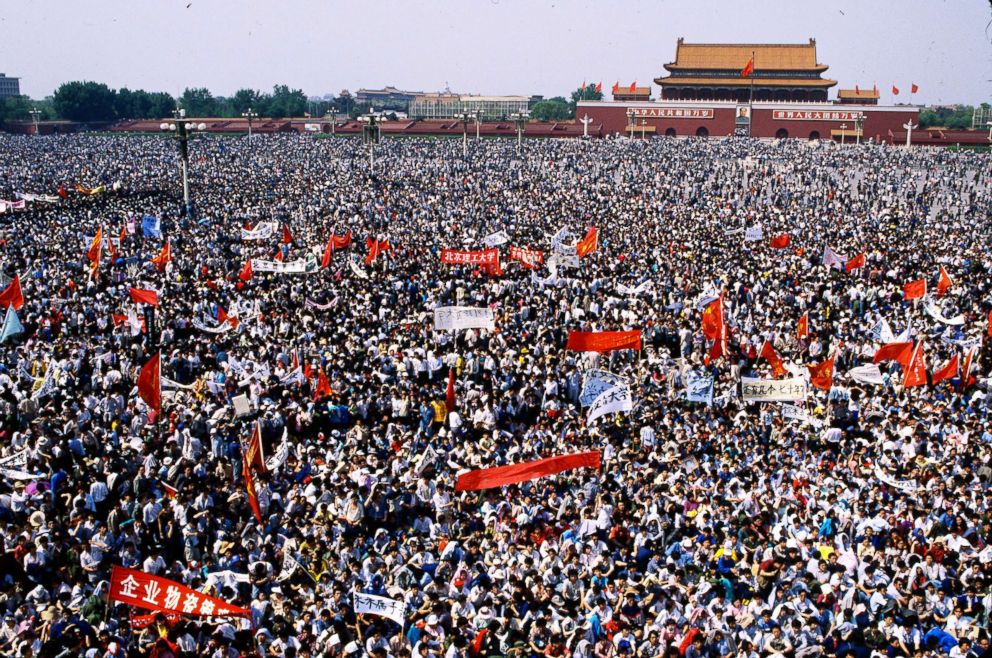
China Tightens Security on 37th Anniversary of Tiananmen Square Crackdown
The Architecture of Silence: Where Digital Authoritarianism is Heading
For decades, the strategy for controlling historical narratives was relatively simple: block the roads, censor the newspapers, and cut the television feeds. But as we look at the tightening grip on commemorations in Beijing and the systemic dismantling of vigils in Hong Kong, it’s clear that we are entering a new era of “predictive erasure.”
The shift isn’t just about stopping a protest on a specific day; it’s about scrubbing the very possibility of the memory from the public consciousness. When a broadcast is replaced by “abnormal signal” bars, it’s a crude tool. The future of state control is far more sophisticated.
From Reactive Censorship to Predictive Policing
We are moving away from reactive measures—like deploying police after a crowd gathers—toward a model of predictive policing. By analyzing metadata, social media patterns, and private communications, authorities can now identify “risk profiles” of individuals likely to seek out forbidden history.
In the coming years, expect to see an increase in “pre-emptive detentions.” We’ve already seen glimpses of this in Hong Kong, where the mere intent to commemorate can lead to legal repercussions under broad national security frameworks. The goal is to create a psychological environment where the cost of remembering is simply too high for the average citizen to bear.
For a deeper dive into how these laws are structured, you can explore the Amnesty International archives on civil liberties.
The Battle for the ‘Digital Ghost’
As physical spaces like parks and squares are locked down, the battle for memory has migrated to the digital realm. However, the “Great Firewall” is evolving. It is no longer enough to block specific keywords; AI-driven filters can now detect “semantic intent.”
This means that even if activists use coded language or memes to bypass censors, machine learning algorithms are becoming adept at spotting these patterns. The trend is moving toward a “total information environment” where the state doesn’t just block the truth, but floods the zone with contradictory narratives to create a state of permanent confusion.
The Generational Amnesia Gap
Perhaps the most concerning trend is the engineered gap in collective memory. When education systems are purged of specific events and digital footprints are erased, a “generational amnesia” sets in.
Younger generations, who have grown up in an era of absolute digital control, may find it impossible to verify historical claims. When the primary sources are gone and the witnesses are silenced or imprisoned, history becomes a matter of state decree rather than documented fact.
The Global Blueprint: Exporting the Model
What we are witnessing in the crackdown on pro-democracy memories isn’t happening in a vacuum. There is a growing trend of “surveillance diplomacy,” where the technology and legal frameworks used to suppress dissent are exported to other regimes globally.
From facial recognition software to “anti-fake news” laws that actually target truth-tellers, the blueprint for historical erasure is becoming a global commodity. This suggests that the struggle to maintain an honest historical record will soon be a challenge for democracies and autocracies alike.
You can read more about our analysis on global surveillance trends to see how this affects other regions.
Frequently Asked Questions
How does digital censorship differ from traditional censorship?
Traditional censorship removes content after it is created. Digital censorship uses AI to prevent content from being seen in real-time and can track the identity of the person attempting to access the forbidden information.

What is the impact of National Security Laws on historical memory?
These laws often redefine “remembering” or “commemorating” as “subversion” or “threatening national security,” effectively criminalizing the act of maintaining a historical record.
Can the internet actually help preserve forbidden history?
Yes, through VPNs, encrypted messaging, and decentralized archives, information can be mirrored across the globe, making it nearly impossible for a single government to delete it entirely.
Join the Conversation
Do you believe digital archives are enough to protect history from state erasure, or is physical documentation still the only way? Let us know your thoughts in the comments below or subscribe to our newsletter for weekly insights into global political trends.