

Chinese Dissident Flees to South Korea in Rubber Boat
The High Stakes of Defection: Why Dissidents are Risking Everything to Escape
The story of Dong Guangping—a 68-year-old former police officer who braved the open sea in a rubber boat—is more than just a desperate attempt to reunite with family in Canada. It is a stark illustration of a growing trend: the extreme lengths to which political dissidents must go to escape modern authoritarian regimes.
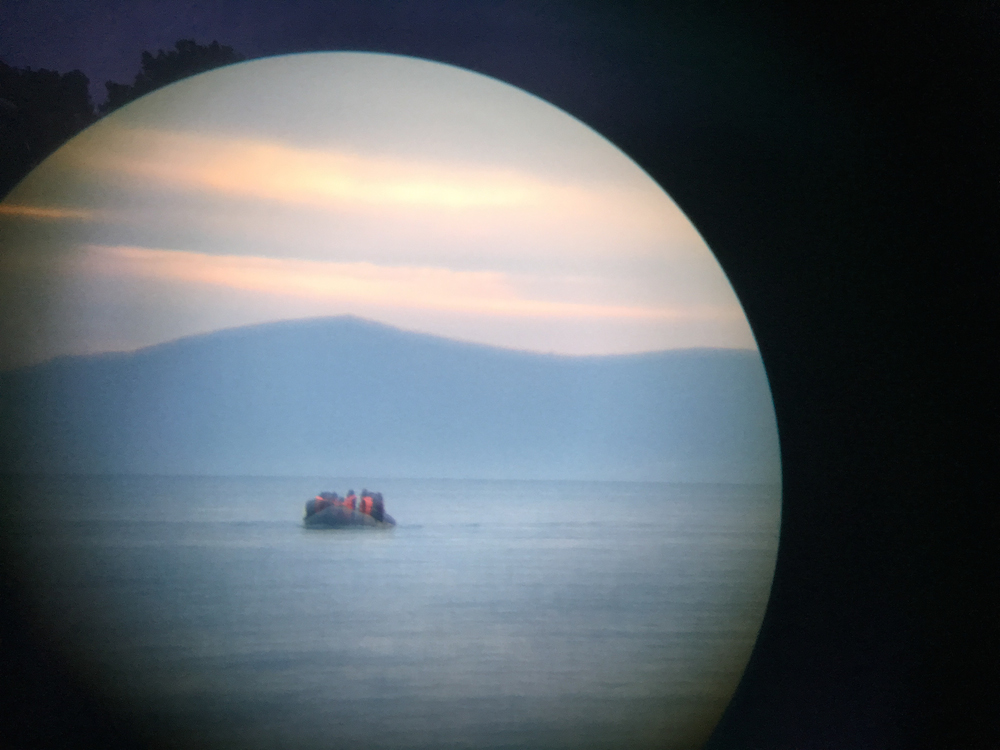
When a man in his late sixties decides that a rubber boat in the middle of the ocean is safer than his own home, it signals a profound failure of international human rights protections. This isn’t an isolated incident; from jetskis to clandestine swims, the “Great Escape” from oppressive surveillance states is becoming increasingly perilous.
The Geopolitical Chessboard: South Korea as a Transit Hub
South Korea has increasingly become a flashpoint for Chinese dissidents. Its geographical proximity and democratic framework make it an attractive first stop. However, as seen in the cases of both Dong Guangping and Kwon Pyong, the transition from “illegal immigrant” to “political refugee” is a legal minefield.
The tension lies in the diplomatic balancing act. Seoul must weigh its commitment to human rights against its economic and diplomatic ties with Beijing. When dissidents arrive, they are often detained under immigration laws, creating a window of vulnerability where the risk of extradition is highest.
Looking forward, One can expect these transit zones to become even more contested. As surveillance technology improves, the “blind spots” in borders are shrinking, forcing dissidents to use more erratic and dangerous methods of entry to avoid detection by coast guards and intelligence agencies.
The Digital Panopticon and the Physical Flight
In the past, fleeing a regime was primarily about crossing a physical border. Today, the border follows the dissident via their smartphone, social media accounts, and biometric data. The “Digital Panopticon”—the state of constant surveillance—means that planning an escape is now a high-stakes intelligence operation.
For activists like Dong, who was targeted for commemorating the 1989 Tiananmen Square protests, the danger isn’t just in the journey, but in the digital trail left behind. This has led to a paradoxical trend: while technology makes it harder to leave, it makes the need to leave more urgent, as the state can now monitor dissent in real-time within the home.
Experts suggest that we will see a rise in “analog escapes”—a return to low-tech methods of communication and movement to bypass AI-driven facial recognition and signal tracking.
The Role of Third-Party Sanctuaries: The Canada Connection
Canada remains a primary destination for many Chinese dissidents due to its historically robust asylum laws and existing diaspora communities. The fact that Dong’s wife and daughter were able to secure safety in Canada while he was repeatedly intercepted highlights the “fragmented family” crisis facing many political refugees.
The trend suggests a shift toward “chain migration for survival,” where family members who have already secured asylum act as the logistical and financial anchors for those still trapped. We are likely to see more international pressure on Western nations to create “fast-track” humanitarian visas for high-risk political prisoners to prevent these dangerous sea crossings.
Future Trends: What to Expect in Global Political Asylum
As authoritarianism sees a resurgence globally, the patterns observed in Dong Guangping’s struggle will likely repeat in other regions. Here are the key trends to watch:

- Increased Use of Non-Traditional Routes: Expect more “irregular” entries via sea or remote land borders as airports become biometric checkpoints.
- Legal Battles over “Immigration” vs. “Asylum”: Governments will continue to use immigration violations as a pretext to detain dissidents, while human rights groups will push for immediate asylum status.
- The Rise of Private Extraction: We may see the emergence of specialized NGOs or private entities that help high-risk dissidents navigate the physical and digital hurdles of escape.
For a deeper dive into how these tensions are shaping global politics, check out our analysis on the shifting power dynamics in East Asia or visit the Amnesty International database for current human rights reports.
Frequently Asked Questions
Why are dissidents often arrested for immigration violations first?
It is often a legal convenience for the host country. By treating the arrival as a criminal immigration matter, the state maintains control over the individual while deciding whether to grant asylum or negotiate with the home country.
What is the likelihood of a dissident being returned to their home country?
It depends entirely on the host country’s adherence to the 1951 Refugee Convention. If a country prioritizes diplomatic relations over non-refoulement, the risk of deportation is high.
How does the “Digital Panopticon” affect asylum seekers?
Modern surveillance allows regimes to track dissidents’ movements and contacts even after they have left the country, sometimes leading to the harassment or arrest of family members left behind.
What do you think? Should democratic nations prioritize human rights over immigration laws when dealing with political dissidents? Let us know your thoughts in the comments below or subscribe to our newsletter for more deep dives into global human rights issues.