
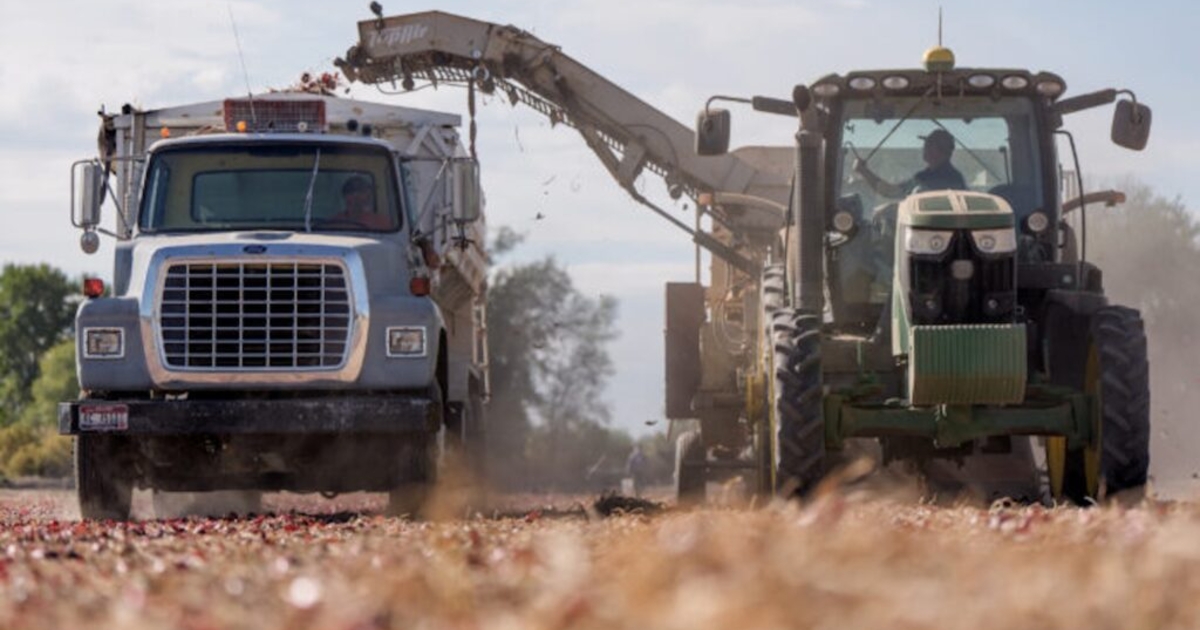
New Hampshire Senate and House Reach Common Ground on Bill Providing Civil Immunity for Farmers Affected by PFAS Contamination
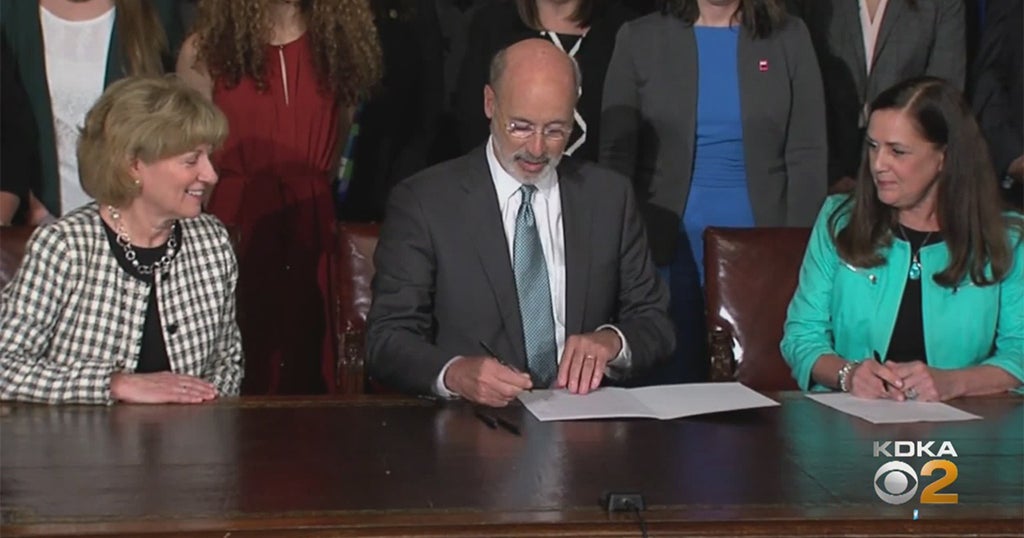
The New Hampshire Senate and House of Representatives advanced a bill on Tuesday that would provide limited civil immunity to farmers facing liability from PFAS contamination linked to standard agricultural practices, such as the use of treated sewage sludge. A conference committee approved an amended version of House Bill 1275, with six members voting in favor. Stratham Senator Debra Altschiller, the only Senate Democrat on the committee, was absent and had previously stated she would not support the measure.
The bill, which now moves to the full chambers for final approval, exempts farmers from civil liability related to PFAS contamination stemming from practices like biosolids application. PFAS, or “forever chemicals,” persist in the environment and are commonly found in sewage sludge, according to expert testimony. Rep. Judy Aron, a Republican and chair of the House Environment and Agriculture Committee, argued that farmers should not be held responsible for contamination they may not have known about.
Why It Matters
The legislation reflects a contentious balance between protecting farmers and addressing environmental risks. Critics, including bill sponsor Rep. Wendy Thomas, raised concerns that civil immunity without restrictions on biosolids use could enable harmful practices. However, proponents, like Rep. Nicholas Germana, emphasized that the bill mandates soil testing starting in 2028 and sets deadlines for the New Hampshire Department of Environmental Services to establish PFAS standards, potentially rendering a moratorium unnecessary.

Comparisons to Maine, where biosolids application has been linked to widespread PFAS contamination, have fueled debate. Aron noted New Hampshire’s lower reliance on such practices, though she acknowledged the need for further research. The bill also includes provisions to expand drinking water remediation grants and exempt the U.S. Department of Defense from a PFAS product ban.
What May Happen Next
If passed, the bill could set a precedent for state-level approaches to PFAS contamination, blending liability protections with future regulatory frameworks. However, its implementation hinges on the Department of Environmental Services meeting deadlines to define PFAS thresholds. Opponents may push for amendments or additional oversight, while farmers could see reduced legal risks if the legislation becomes law.
The outcome could influence how other states navigate similar conflicts between farming communities and environmental health concerns.
Frequently Asked Questions
What does the bill do? It grants farmers civil immunity for PFAS contamination linked to standard agricultural practices, such as biosolids use, while requiring soil testing and PFAS standards by 2027.
Why did some lawmakers oppose it? Critics argued it could allow continued use of contaminated biosolids without safeguards, though provisions for future regulation were included.
When will testing requirements take effect? Farmers would be required to test soil for PFAS before applying biosolids starting in 2028.
What role should liability protections play in addressing environmental risks, and how might this legislation shape future policies?