

Chinese Lawyer Executed for Poisoning 3 Body Problem Billionaire
The Dark Side of Corporate Ambition: Lessons from the Yoozoo Games Tragedy
The execution of Xu Yao, the lawyer who orchestrated the chilling murder of billionaire gaming tycoon Lin Qi, marks the end of a dark chapter in the tech world. While the case reads like a script from a crime thriller—complete with dark web toxin procurement and real-life “Breaking Bad” experiments—it serves as a sobering reminder of the volatility inherent in high-stakes corporate environments.
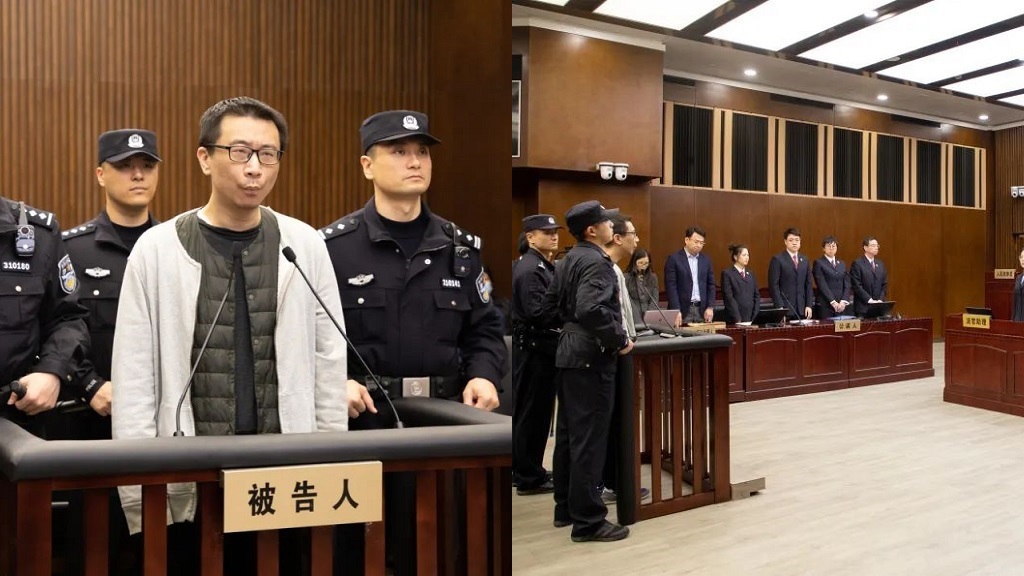
As the entertainment industry continues to merge with the tech sector, the pressure to secure intellectual property (IP) has never been higher. When massive fortunes collide with fragile professional relationships, the consequences can be catastrophic.
When Professional Disputes Turn Fatal
The murder of Lin Qi, an executive producer behind Netflix’s 3 Body Problem, highlights a growing concern in the corporate world: internal workplace violence. While most disputes over company management are resolved in boardrooms or through legal mediation, the “Yoozoo Case” demonstrates how easily power struggles can spiral into tragedy when unchecked egos and access to lethal resources converge.
Did you know? Forensic investigations revealed that the perpetrator, Xu Yao, had meticulously planned the attack, even going as far as setting up a dummy trading company in Japan to bypass chemical purchase restrictions.
The Rising Risk of “Dark Web” Threats in the Workplace
The democratization of dangerous information and illicit materials via the dark web has changed the landscape of corporate security. Executives are no longer just vulnerable to digital espionage; they face physical threats from disgruntled insiders who have the tools to bypass traditional security measures.
Corporate Governance and the Future of IP Protection
The 3 Body Problem franchise is now a global cultural phenomenon, yet its path to the screen was paved with bloodshed. This case has forced production houses and tech firms to rethink how they manage key personnel and protect their most valuable assets—their intellectual property.

Future trends in corporate management will likely see a shift toward:
- Stricter Vetting: Enhanced background checks for high-level executives involving mental health and behavioral stability.
- Decentralized Power: Reducing the reliance on a single individual for critical IP decision-making to prevent “chokepoints” in leadership.
- AI-Driven Behavioral Analysis: Using software to monitor for sudden changes in communication patterns that could indicate internal conflict or radicalization.
Frequently Asked Questions
Q: What was the motive behind the murder of Lin Qi?
A: Reports indicate a dispute over company management matters, leading to a breakdown in the professional relationship between Lin and Xu.
Q: How was the poison administered?
A: The perpetrator mixed various lethal toxins, including mercury and tetrodotoxin, into pills that he presented to the victim under the guise of probiotics.
Q: Is corporate violence becoming more common?
A: While rare, high-profile cases of workplace violence involving executives highlight the necessity for better internal conflict resolution and stricter security measures in competitive industries.
What are your thoughts on how companies can better protect their leaders from internal threats? Share your perspective in the comments below or subscribe to our weekly business intelligence newsletter for more deep dives into the intersection of technology and corporate security.