

Chioggia Hospital Introduces Minimally Invasive Water Vapor Therapy for Prostate Enlargement
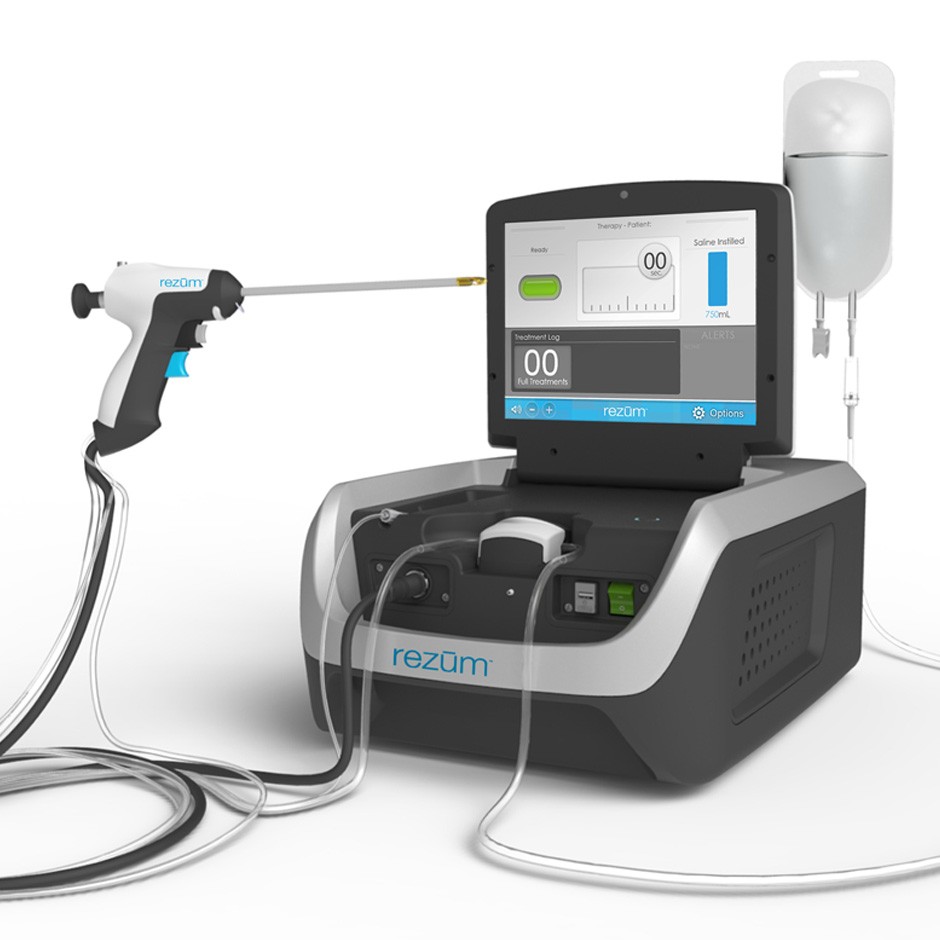
The Urology unit at Chioggia Hospital has introduced the Rezum system, a minimally invasive technology that utilizes water vapor to treat benign prostatic hyperplasia (BPH). This new procedure offers an alternative for patients who seek to avoid traditional surgery or long-term medication, with five successful day hospital treatments already completed.
Did You Know?
The Rezum procedure works by releasing controlled amounts of water vapor directly into the prostate. The thermal energy transferred to the tissue causes it to reduce in volume over time as the body naturally reabsorbs the treated cells, ultimately aiming to improve urinary flow.
How the Procedure Impacts Patient Care
According to the medical team at Chioggia Hospital, the primary advantage of the Rezum system is its minimally invasive nature. Because the procedure requires no surgical incisions and can be performed under local anesthesia or sedation, patients typically experience faster recovery times compared to traditional surgical techniques.
The hospital reports that the treatment is designed to reduce the length of hospital stays, with patients discharged on the same day. Additionally, the procedure offers a high probability of preserving physiological functions that are often a significant concern for patients when choosing between therapeutic options.
Who Is a Candidate for This Treatment?
The Urology unit specifies that the procedure is not suitable for all patients and requires a formal specialist assessment. It is primarily targeted at men who have not achieved satisfactory results with medication, those who wish to avoid the long-term use of drugs, or patients who prefer to bypass traditional surgical interventions.
The clinical team notes that the treatment may also be an option for patients who currently use a catheter or for those whose health conditions make general anesthesia less advisable. This new capability is the result of a collaboration between the hospital’s surgical department and the Urology unit, intended to offer more personalized care options.
Expert Insight:
The adoption of water vapor therapy represents a shift toward reducing the clinical burden on patients. By offering a middle ground between daily pharmaceutical management and invasive surgery, the hospital is prioritizing recovery speed and quality of life. The success of these early procedures suggests a potential for broader integration into standard urological care, provided patients meet the necessary clinical criteria.
What Happens Next
As the Urology unit continues to implement this method, patients can expect a gradual improvement in symptoms. The medical team explains that while benefits may appear in the weeks following the procedure, these results typically consolidate over the course of several months. Future outcomes will depend on ongoing specialist evaluations to ensure the procedure remains a viable, targeted solution for those suffering from urinary obstruction due to benign prostatic enlargement.
Frequently Asked Questions
How is the Rezum procedure performed?
The treatment involves inserting a specialized instrument through the urethra to deliver controlled amounts of water vapor into the prostate tissue.
Is the recovery process long?
The procedure is performed in a day hospital setting, allowing for same-day discharge and generally faster recovery times than traditional surgery.
Can anyone with prostate issues receive this treatment?
No, the procedure is not indicated for all patients. It is offered only after a thorough evaluation by a urology specialist to determine if it is the appropriate course of action.
How might the availability of minimally invasive options influence the way patients approach long-term treatment for prostate health?