
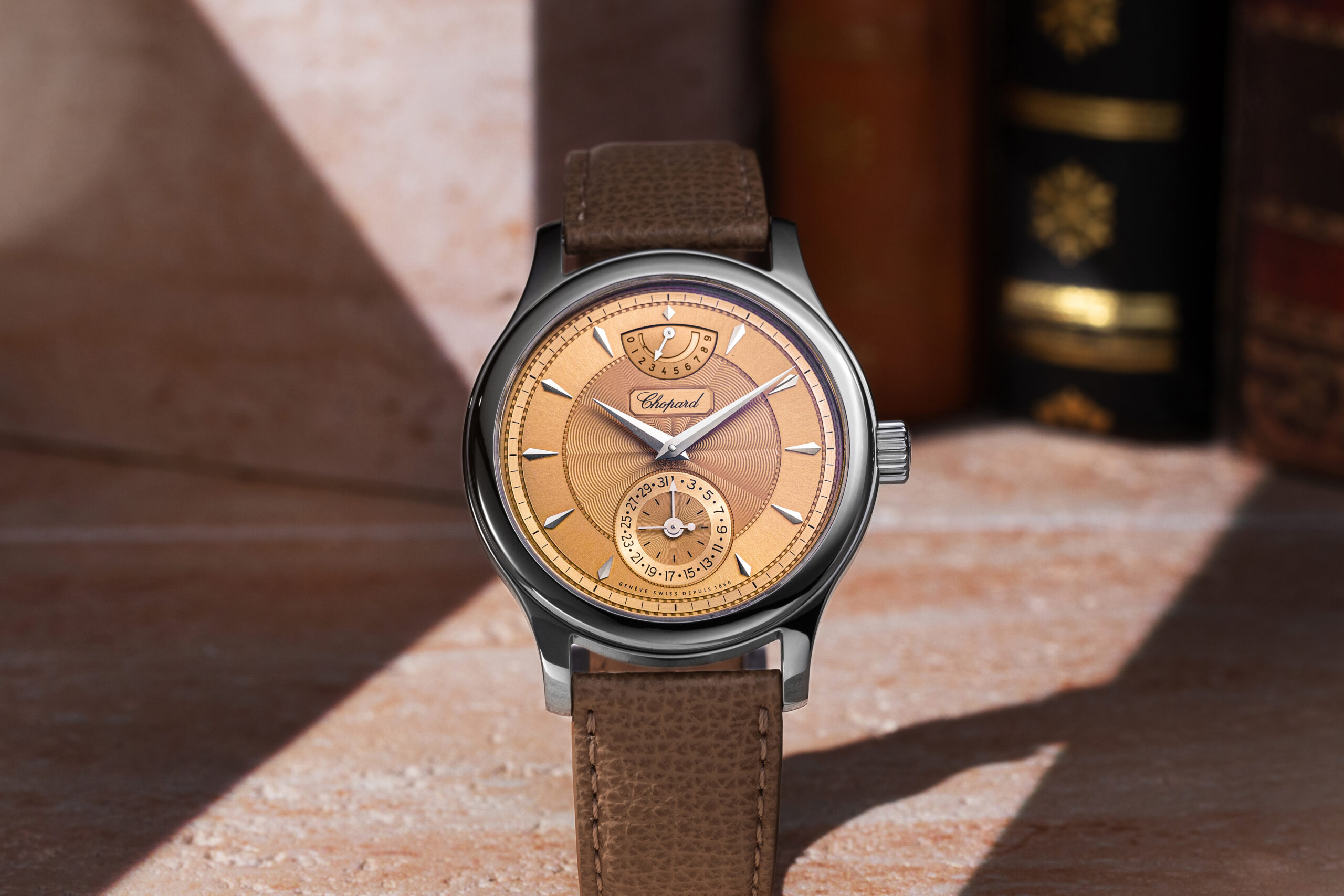
Chopard L.U.C Quattro Revolution Edition
The Art of the Revival: Why Heritage Icons Are Defining Luxury Watchmaking
In the fast-paced world of Haute Horlogerie, there is a growing movement that favours the wisdom of the past. Collectors are increasingly turning their attention toward re-editions and refined legacy models, proving that true innovation often lies in perfecting a design that was already ahead of its time.
The recent celebration of the Chopard L.U.C Quattro’s 25th anniversary serves as a masterclass in this philosophy. By revisiting the original 2000 reference, Chopard hasn’t just updated a movement. they have validated the enduring relevance of “restrained” watchmaking. As we look at the future of luxury collecting, this trend toward curated revivalism is set to dominate.
The “New Vintage” Paradigm
Why do collectors clamor for re-editions? It comes down to the balance of historical DNA and modern engineering. When brands like Chopard collaborate with partners like Revolution to resurrect icons—such as the L.U.C 1860 or the Quattro—they are not simply copying the past. They are applying contemporary manufacturing standards to legendary silhouettes.
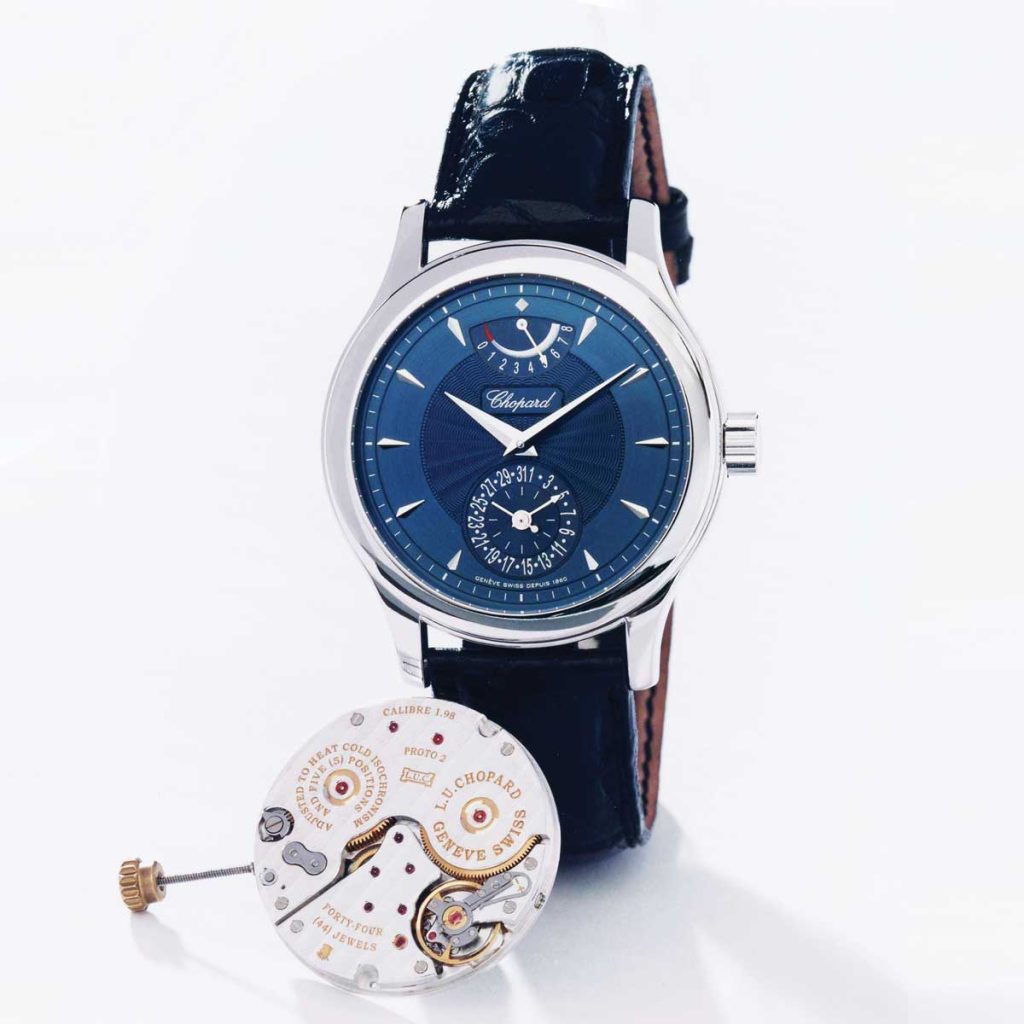
Pro Tip: When evaluating a re-edition, look for “invisible” updates. The best modern versions of classic watches often retain the original dial proportions while upgrading the movement with modern materials, such as improved power reserve technology or advanced metallurgy.
Technological Longevity: Beyond the Hype
Future trends in the watch industry are shifting away from fleeting aesthetic fads toward “performance-first” luxury. The Quattro technology, which utilizes four barrels to achieve an impressive nine-day power reserve, is a prime example of performance that remains relevant decades later.
As the market matures, watch enthusiasts are prioritizing:
- Movement Integrity: Watches that house manufacture-developed calibers with significant power reserves.
- Material Purity: A shift toward ethical rose gold and platinum, reflecting a demand for sustainability and long-term value.
- Guilloché Craftsmanship: The return of artisanal dial work, such as the “frosted” finishes seen on the latest Mark IV iterations.
Investing in the Icons of Tomorrow
For the aspiring collector, the lesson is clear: focus on models that represent a “quarter-century of innovation.” When a brand sticks with a specific movement or case architecture long enough to refine it—as Chopard has with the L.U.C series—it builds a narrative of reliability that is rare in modern retail.

We are seeing a move toward high-end, limited-production runs that prioritize the relationship between the manufacture and the enthusiast. This “community-led” approach to watch design, where feedback from collectors directly influences the resurrection of past references, is likely to become the standard for high-end horology.
Frequently Asked Questions
- What makes the Chopard L.U.C Quattro special?
- The L.U.C Quattro is renowned for its exclusive Quattro technology, which uses four barrels to provide a remarkable nine-day power reserve, all while maintaining a slender, elegant profile.
- Are re-edition watches good investments?
- Re-editions of historically significant, limited-production watches often hold value well because they combine the nostalgia of a classic reference with the reliability of modern manufacturing.
- How has the L.U.C collection evolved since 2000?
- The collection has evolved from the original Caliber 1.98 to the current Mark IV, focusing on enhanced wearability, refined case aesthetics, and a commitment to the latest Chopard design language.
What are your thoughts on the trend of reviving classic watch designs? Do you prefer the original vintage pieces or the modern, updated re-editions? Join the conversation in the comments below or subscribe to our newsletter for the latest in horological deep dives.