
CIC biomaGUNE develops pulmonary surfactant nanoparticles to treat lung diseases
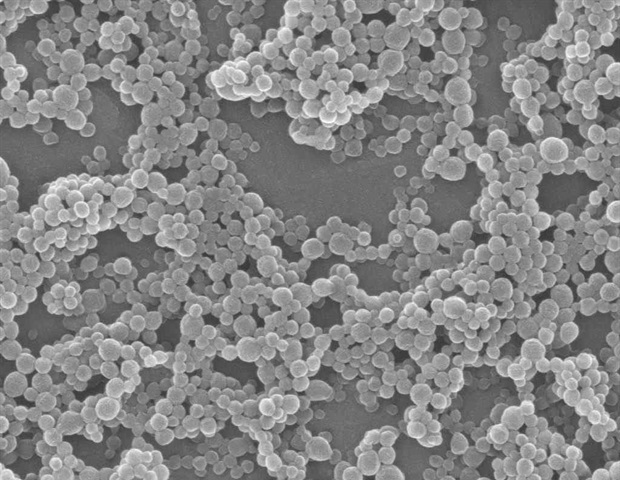
Researchers at the CIC biomaGUNE Center for Cooperative Research in Biomaterials have developed a promising new method to treat pulmonary fibrosis, a chronic condition characterized by the progressive, uncontrolled scarring of lung tissue. By utilizing pulmonary surfactant—the natural blend of lipids and proteins that lines the alveoli—scientists have created a biomimetic nanoparticle platform capable of delivering medication directly to diseased tissue.
The Science of Mimicry
Pulmonary fibrosis is often triggered by factors such as smoking, occupational exposure to chemicals and dust, radiation, chemotherapy, or viral illnesses like COVID-19. Traditional oral treatments for this condition often result in adverse side effects because the medication circulates through the entire body rather than focusing solely on the lungs.

The team, led by Dr. Susana Carregal, developed a way to encapsulate antifibrotic drugs within pulmonary surfactant nanoparticles. Because these particles mimic the body’s own endogenous materials, they can bypass the lung’s natural defense mechanisms that typically identify and reject inhaled foreign substances.
Precision Delivery Through Microfluidics
The study, published in the journal Advanced Healthcare Materials, highlights the use of microfluidics to synthesize these nanoparticles. This automated technique allows for the management of fluids at a microscopic scale with high precision, ensuring that the final product is homogeneous, stable, and reproducible.
By targeting the diseased tissue directly, this delivery system allows for lower doses of medication. This shift in administration could potentially minimize the systemic side effects typically associated with standard therapies for pulmonary fibrosis.
Future Implications
The success of this synthesis method in laboratory tests on mice suggests a pathway toward standardizing inhaled nanomedicines. Because the system is highly controlled, it may provide a reliable framework for developing future treatments for various lung diseases.

As research continues, this technology could eventually lead to clinical applications that improve the efficacy of inhaled drugs. By overcoming physiological barriers and inflammation, this approach may offer a more effective way to manage the stiffness and tissue damage caused by pulmonary fibrosis.
Frequently Asked Questions
What is pulmonary surfactant and why is it used here?
Pulmonary surfactant is a natural blend of lipids and proteins that lines the alveoli in the lungs to enable breathing. Researchers use it to encapsulate drugs because its surface properties help the medication distribute more effectively and evade the immune system.
How does this method reduce side effects?
Conventional oral treatments distribute medication throughout the body. By using inhalation to target the lungs directly and ensuring high retention at the site of the disease, the total required dose is reduced, which in turn lowers the amount of drug reaching organs like the liver.
Is this treatment currently available for patients?
The research, conducted by the Molecular and Functional Biomarkers group at CIC biomaGUNE, has shown positive therapeutic effects in mouse models. The study establishes a reproducible synthesis method that opens new avenues for future inhaled treatments.
How might the ability to deliver medication directly to the lungs change the way we approach chronic respiratory illnesses in the future?