
SpaceX IPO and the Korea Passing: A Warning Sign for South Korea’s Global Market Credibility
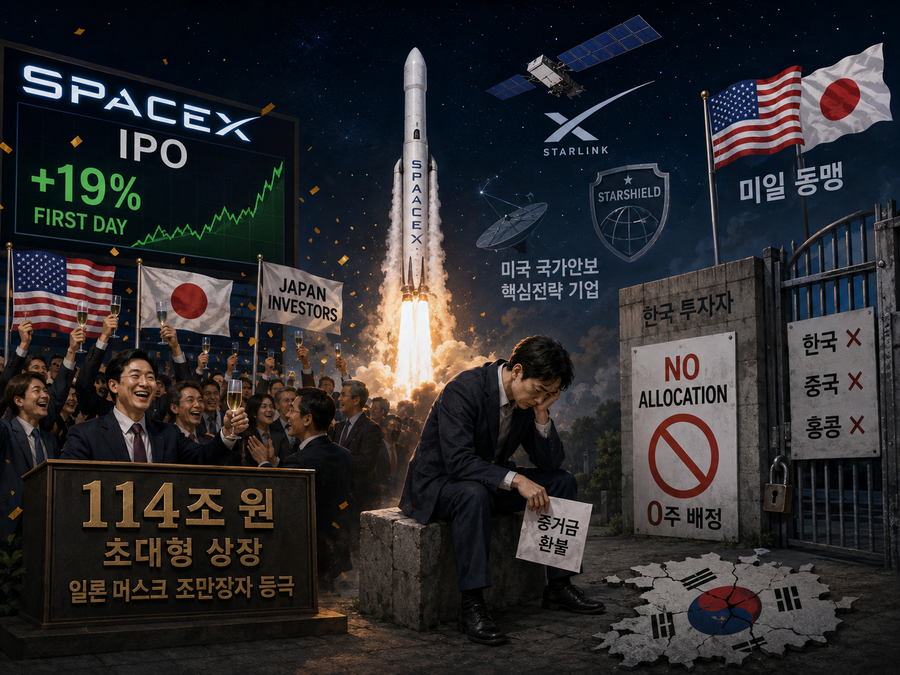
SpaceX’s recent initial public offering (IPO) resulted in zero share allocations for South Korean investors, signaling a growing disconnect between the U.S. space sector and the Korean capital market. While Japanese institutional investors secured positions in the $114 trillion valuation launch, South Korean entities were excluded from both public and private offerings, reflecting broader concerns regarding South Korea’s geopolitical alignment and market-friendly policies.
Why was South Korea excluded from the SpaceX IPO?
The exclusion of South Korean capital from the SpaceX IPO stems from a combination of stringent U.S. national security protocols and shifting perceptions of Korea’s economic policy. According to reports, the U.S. government views companies like SpaceX—a primary partner for NASA and the Department of Defense—as critical national security assets. Consequently, access to these firms is often restricted to nations that align closely with American technology and defense objectives. While Japanese investors were integrated into the U.S. technology ecosystem years prior to the IPO, South Korea’s late-stage interest in the venture has been characterized as reactive rather than foundational.

Did you know? In the modern era of “technological cold war,” capital is no longer just about financial returns. Global firms and U.S. regulators now prioritize investors based on geopolitical trust, regulatory stability, and shared strategic goals in AI, aerospace, and semiconductors.
How does political climate affect capital market access?
Global capital markets operate on the bedrock of trust, and recent trends suggest that political uncertainty in South Korea is creating a “risk premium” for its investors. Observers note that domestic policies—including political pressure on global corporations and a regulatory environment often perceived as prioritizing redistribution over innovation—have signaled a potential shift away from market-driven principles. When investors view a country as politically unstable or “anti-market,” they are less likely to grant those entities priority status in exclusive, high-value asset offerings.
The Shift from Military Alliances to Technology Alliances
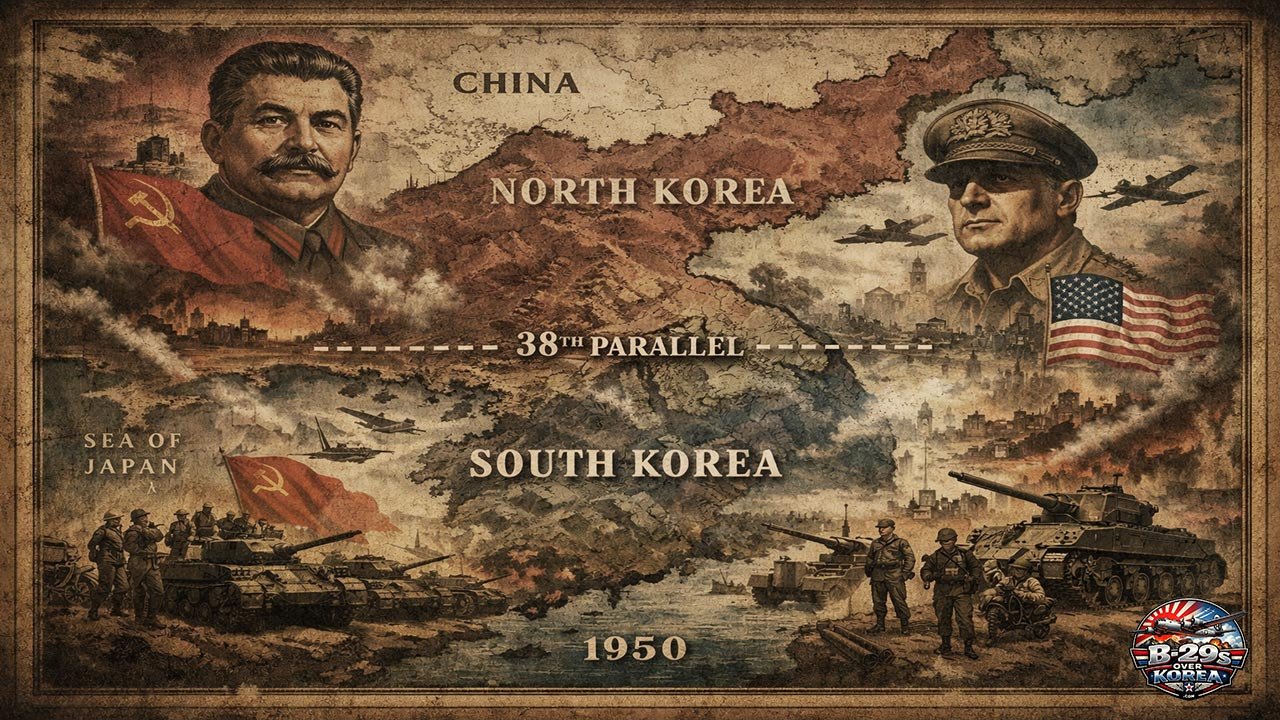
The contemporary geopolitical landscape has moved beyond traditional military-focused pacts toward “technology alliances.” Unlike the Cold War era, where influence was measured by troop deployments, current power dynamics are defined by control over satellite networks like Starlink and Starshield. Because SpaceX is a central pillar of U.S. defense strategy, its capitalization process acts as a barometer for Washington’s confidence in its international partners. South Korea’s absence from the cap table is viewed by analysts as a silent but significant indicator of the current state of U.S.-Korea economic diplomacy.
What are the long-term risks for the Korean investment sector?
The “Korea Passing” phenomenon suggests that without a pivot toward a more consistent, innovation-first policy, South Korean firms and investors risk further isolation from the global tech vanguard. Historically, the most significant wealth in the technology sector is generated in private markets, venture capital ecosystems, and early-stage development—areas where Korea has shown limited structural participation compared to its peers. If the nation continues to react to success after it has already occurred, rather than participating in the development phase, the gap between Korea and global innovation hubs will likely widen.
Pro Tip: Tracking Market Signals
Investors should monitor “capital flow alignment” as a primary indicator of international relations. When major U.S. tech firms exclude specific regional investors from high-profile offerings, it is often a lagging indicator of shifts in broader diplomatic and regulatory trust.
Frequently Asked Questions
- Why did China and Hong Kong also face exclusion? The U.S. restricts capital from these regions in critical sectors like AI and space due to national security concerns regarding intellectual property and strategic competition.
- Is the SpaceX IPO exclusion purely political? While IPO allocations are determined by demand and lead underwriters like Goldman Sachs, they are heavily influenced by the geopolitical and regulatory environment of the target investor’s home country.
- What is “Starshield” and why does it matter? Starshield is SpaceX’s defense-oriented satellite platform, which makes the company a direct extension of U.S. national security, thereby increasing the sensitivity of its shareholder base.
Are you concerned about how geopolitical shifts are impacting global investment opportunities? Share your thoughts in the comments below or subscribe to our weekly newsletter for deeper analysis on the intersection of technology and capital markets.