

CISA Urges Hardening Fortinet Devices After Reports of Credential Exposure
CISA reports that malicious cyber actors used compromised credentials to target approximately 74,000 internet-accessible Fortinet devices, including firewalls and VPN gateways. This activity, known as FortiBleed, prompts CISA to urge immediate credential resets and the adoption of phishing-resistant multifactor authentication (MFA) to secure government and private sector networks.
Why is the FortiBleed incident shifting how organizations handle credentials?
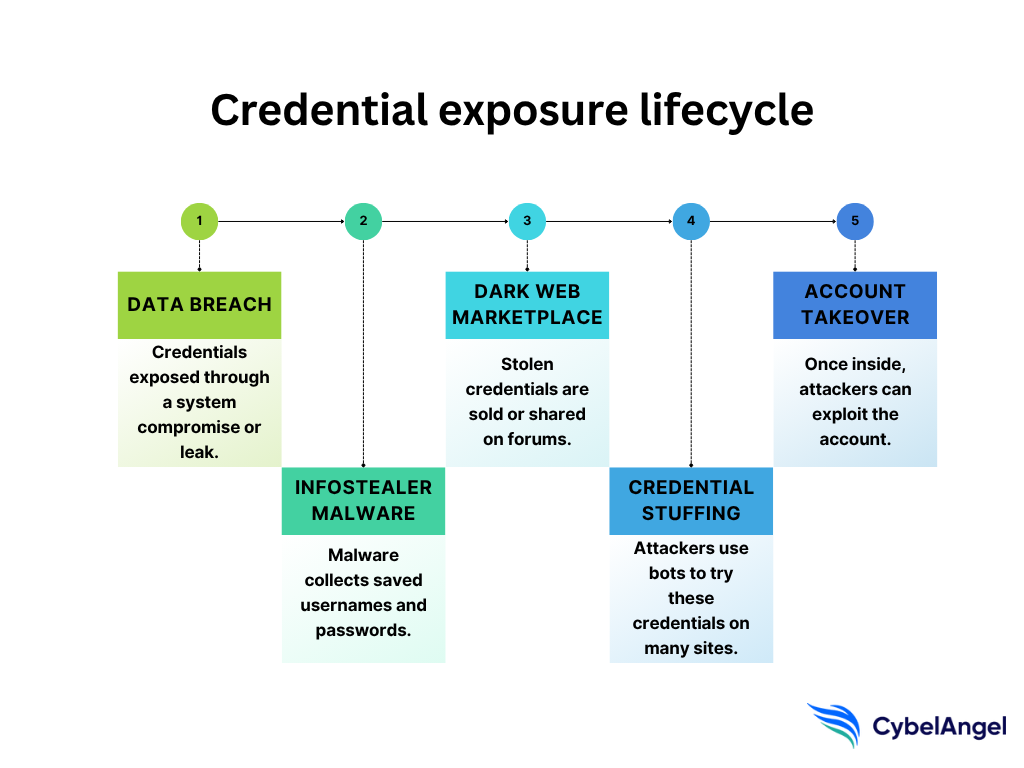
The scale of the FortiBleed event shows that attackers no longer need complex zero-day exploits when leaked credentials provide a direct path into a network. According to CISA, the exposure of credentials for 74,000 devices highlights a systemic vulnerability in how administrative access is managed across the private and public sectors.
Organizations are moving away from legacy password storage. CISA now urges Fortinet customers to use the Password-Based Key Derivation Function 2 (PBKDF2) algorithm. This shift aims to replace weaker legacy hashes that are easier for attackers to crack once they gain access to a credential database.
What happens to VPN security after FortiBleed?
The industry is pivoting toward a “hidden” infrastructure model. CISA’s directive to ensure firewall administration is inaccessible from the public internet signals the end of the era where management interfaces were left open for convenience.
The trend is shifting toward restricting Fortinet management interfaces to trusted internal networks only. This reduces the attack surface by ensuring that even if a credential leaks, the attacker cannot reach the login page from an external IP address.
This approach mirrors the Zero Trust architecture. Instead of trusting any user with a valid password, the network now requires the user to be on a verified internal segment before they can even attempt to authenticate.
How does phishing-resistant MFA differ from standard MFA?
Standard MFA, such as SMS codes or push notifications, is no longer sufficient. Attackers now use “MFA fatigue” or proxy sites to steal session tokens in real-time. CISA now explicitly recommends phishing-resistant MFA for all remote access.
Phishing-resistant MFA typically relies on hardware keys (like FIDO2/WebAuthn) that create a cryptographic link between the user’s device and the specific website. If a user is tricked into visiting a fake login page, the hardware key will refuse to provide the credential because the site’s domain doesn’t match.
Comparing the two, standard MFA validates who the user is, but phishing-resistant MFA validates where the user is logging in. This distinction is critical for stopping the lateral movement CISA warns organizations to look for in their logs.
What are the long-term consequences for network administrators?
Administrators must now treat log review as a continuous operation rather than a periodic chore. CISA recommends reviewing firewall, VPN, and domain controller logs specifically for unauthorized configuration changes and suspicious accounts.
The precedent set by FortiBleed suggests that “credential stuffing” at scale is the new baseline for threats. When 74,000 devices are potentially impacted, the volume of leaked data makes it mathematically probable that most organizations have at least one compromised set of credentials circulating on the dark web.
Future security posture will likely rely on “session termination” as a standard security ritual. CISA’s immediate advice to terminate all active SSL VPN and administrative sessions shows that simply changing a password isn’t enough; you must kill the active sessions an attacker may already be using.
Frequently Asked Questions
What is FortiBleed?
FortiBleed is the term used for the targeting of internet-accessible Fortinet devices using leaked credentials, affecting approximately 74,000 devices.
Which devices are most at risk?
According to CISA, FortiGate appliances and associated secure sockets layer (SSL) VPN gateways are the primary targets.
What is PBKDF2?
It is a secure password-hashing algorithm that makes it significantly harder for attackers to reverse-engineer passwords from stolen hashes.
How do I stop lateral movement?
CISA suggests reviewing authentication and domain controller logs and restricting management interfaces to trusted internal networks.
Is your network configured for phishing-resistant MFA, or are you still relying on SMS codes? Let us know your transition challenges in the comments below or subscribe to our newsletter for more technical security alerts.