
Clashes Erupt Outside Estadio Ciudad de México During 2026 World Cup Opener
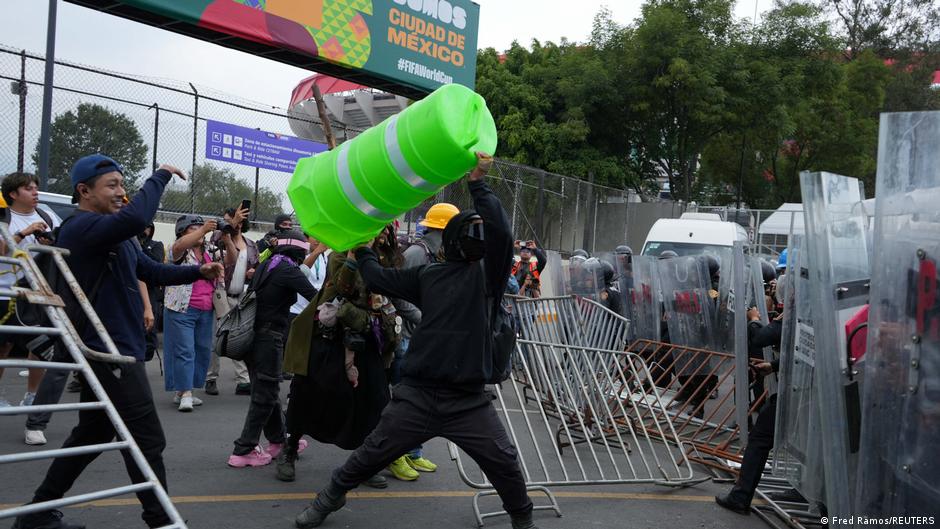
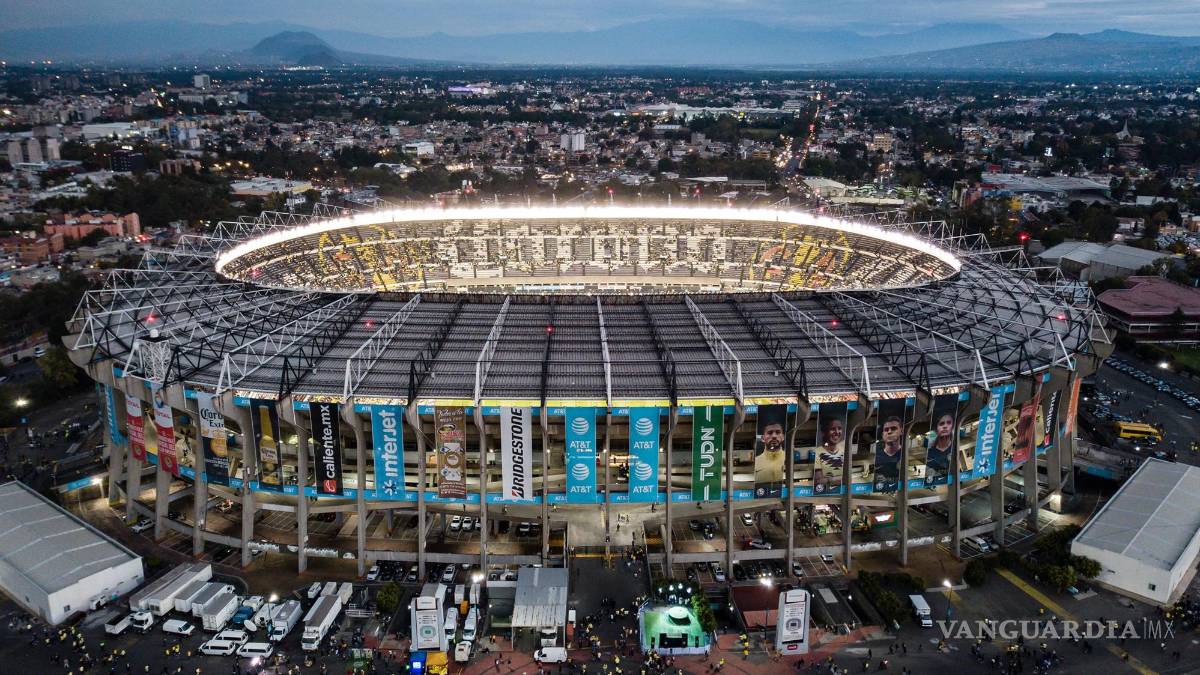
Protesters and police clashed outside the Estadio Ciudad de México, formerly known as Estadio Azteca, on Thursday, June 11, 2026, during the opening match of the World Cup between Mexico and South Africa. Demonstrators, including teachers, students from the National Autonomous University of Mexico (UNAM), and relatives of missing persons, gathered to protest the tournament, resulting in multiple injuries and at least three arrests, according to reports from El Universal.
What triggered the confrontation?
The demonstration began with groups marching from Ciudad Universitaria, as reported by El Universal. Participants chanted slogans criticizing the state of national security, including, “Mexico, champion in disappearances!” and directed provocations at the hundreds of security personnel stationed around the stadium perimeter.
Tensions escalated when a group of demonstrators dismantled security barriers. According to reports, individuals identified as part of a “black bloc,” wearing hoods and dark clothing, threw stones, sticks, and metal fencing at police. The Secretariat of Citizen Security (SSC) responded with riot police, who utilized shields and tear gas to force the crowds back and regain control of the stadium’s perimeter.
The protests were not limited to the stadium; similar unrest occurred throughout the week involving a dissident faction of the education union, which initially cast doubt on the opening of the FIFA ‘fan fest’ located at the Zócalo, the site of the presidential palace.
Why the protest matters
The unrest reflects a deep-seated opposition among various collectives to Mexico hosting the World Cup while the country continues to grapple with the violence of organized crime. By targeting the opening match and the Zócalo fan zone, demonstrators sought to draw international attention to the issue of missing persons and systemic violence.
Samantha Carter notes that the decision to stage protests at high-visibility venues during the World Cup indicates a strategic effort by social movements to leverage global media coverage. The use of the “black bloc” tactics suggests a hardening of these demonstrations, which creates a significant security dilemma for authorities attempting to balance public order with the optics of a major international sporting event.
What may happen next
Given the persistence of the groups involved, it is possible that further demonstrations could occur at subsequent tournament matches or high-profile public viewing sites. Security forces are likely to maintain a high level of alert, potentially increasing the use of physical barriers and mounted police to secure perimeters. If the protests continue to disrupt fan events, authorities may face increasing pressure to balance the security of the tournament against the right to public assembly.
Frequently Asked Questions
Who organized the protests outside the stadium?
According to El Universal, the march was led by anti-World Cup collectives and students from various faculties of the National Autonomous University of Mexico (UNAM).
Were there casualties during the incident?
Yes. The confrontation between protesters and the Secretariat of Citizen Security (SSC) resulted in several injuries and at least three arrests.
Did the protests prevent the FIFA ‘fan fest’ from opening?
No. Despite initial doubts caused by protests from a dissident education union, tens of thousands of fans were eventually able to enter the Zócalo plaza, albeit amidst pushing and general disorganization.
How do you think the government should balance hosting international events with the need for public dissent?