
Colombia Boosts Motorcycle Industry Innovation and Competitiveness
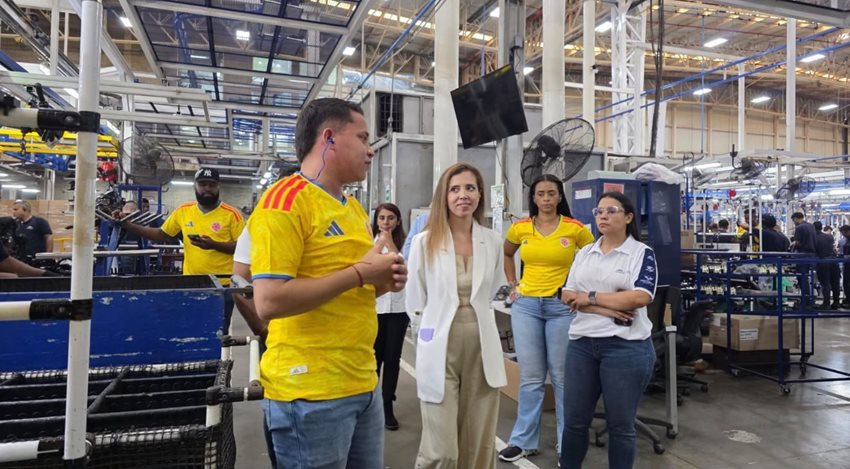
Colombia’s Vice Minister of Foreign Trade, Sofía Cañón, met with motorcycle assemblers in Cartagena on June 23, 2026, to advance a new decree updating the nation’s transformation and assembly regime. According to the Ministry of Commerce, Industry, and Tourism, the initiative aims to adjust the National Integration Percentage (PIN) to boost local production and accelerate the transition to zero-emission vehicles.
How will the new decree impact motorcycle production?
The government is processing a decree to modernize the transformation and assembly regime to align with international standards, according to Vice Minister Sofía Cañón. This regulation may adjust the National Integration Percentage (PIN) across various categories to incentivize higher levels of domestic production.

Cañón stated the goal is to increase the use of national inputs and strengthen regional development. The decree also seeks to provide legal certainty for those operating under the regime, according to the Vice Minister.
What is the economic significance of the sector?
The motorcycle industry supports roughly 45,000 direct and indirect jobs, according to official government data. Minister of Commerce, Industry, and Tourism Diana Marcela Morales Rojas described the industry as a “key actor” for the country’s productive development.
The meeting took place at the Auteco SAS plant and included representatives from Incolmotos-Yamaha, Suzuki Motor, AKT Motos, HMCL-Hero Motos, Auteco Mobility, Fanalca-Honda, and Grupo UMA. Morales noted that the “Government of Opportunities” intends to use these dialogues to create more opportunities for Colombians.
What happens next for the industry?
The government may prioritize the integration of new technologies, specifically electric motorcycles, as part of a broader energy transition. Minister Morales stated the administration is working toward regulations that promote innovation and adaptation to future challenges.

If the decree is finalized, the sector could see a shift in how motoparts are sourced and produced within Colombia. This transition may lead to increased competitiveness and sustainability within the national automotive framework, according to the Ministry.
Frequently Asked Questions
What is the primary goal of the proposed decree?
The decree seeks to update the transformation and assembly regime, adjust the National Integration Percentage (PIN) by category, and provide legal certainty to users of the regime.
How many jobs are generated by the Colombian motorcycle industry?
The industry generates approximately 45,000 direct and indirect jobs.
Which companies participated in the Cartagena meeting?
Participants included Auteco SAS, Incolmotos-Yamaha, Suzuki Motor, AKT Motos, HMCL-Hero Motos, Auteco Mobility, Fanalca-Honda, and Grupo UMA.
Do you believe increasing local part requirements will make motorcycles more affordable or more expensive for the average consumer?