
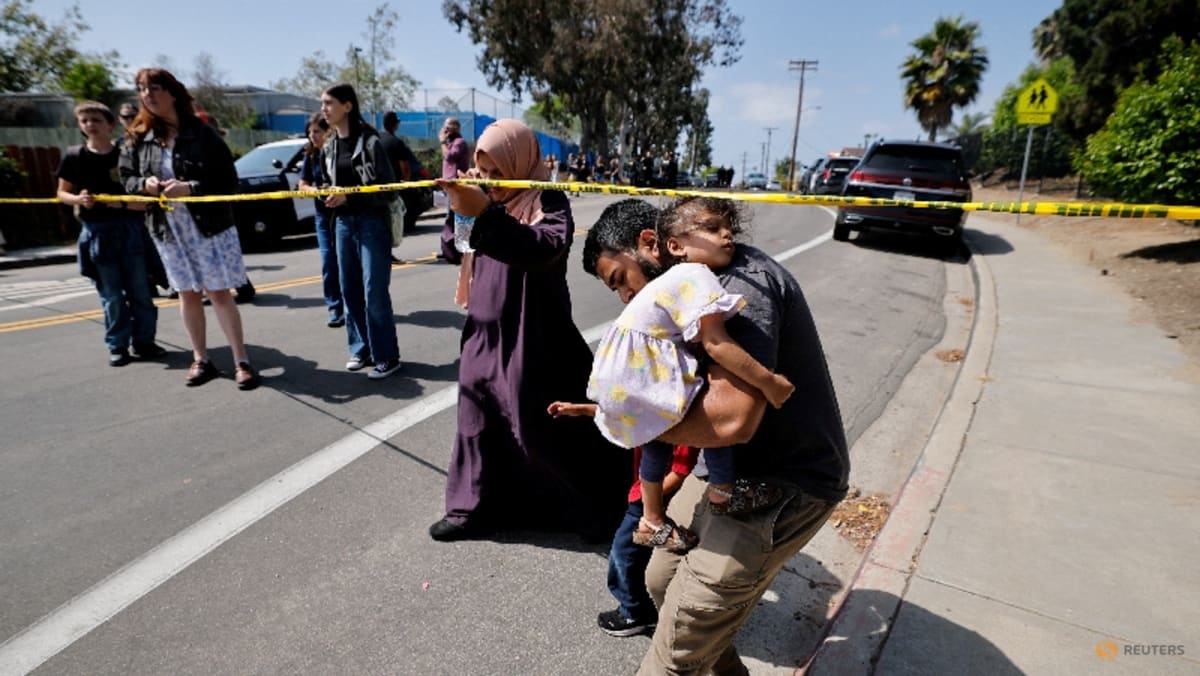
Communities on edge as faith-based hate crimes spike across the West
The global landscape of social cohesion is fracturing. From the streets of London to the suburbs of Sydney and the political heart of the United States, faith-based communities are increasingly finding themselves in the crosshairs of a rising tide of intolerance. But this isn’t just about isolated incidents; it is a systemic shift in how we interact with one another.
The Digital Roots of Real-World Violence
For years, researchers have warned that the digital echo chambers we inhabit are bleeding into our physical reality. The transition from online toxicity to offline violence is no longer a theoretical risk—it is a documented pattern. When divisive public rhetoric is amplified by social media algorithms, the barrier between “heated debate” and “hate crime” thins significantly.
In the United States, civil rights experts have noted a consistent upward trend in hate crime reports dating back to 2015. This surge correlates heavily with a shift in political discourse, where organized hate groups have found new life in the polarized climate of modern elections. When political leaders use the “bully pulpit” to alienate rather than unite, the ripple effects are felt in local neighborhoods.
Data Trends: A Global Snapshot
The numbers paint a sobering picture of our current reality:
- Australia: Recent reports indicate that anti-Muslim incidents have spiked more than fivefold within a single year, highlighting a rapid erosion of community trust.
- United Kingdom: Official government data reveals that while Muslim communities face the highest overall volume of incidents, Jewish communities are experiencing the highest rate of hate crimes per capita.
These statistics suggest that no single group is immune. Instead, we are witnessing a global phenomenon where international conflicts are being imported into local settings, turning neighbors into perceived adversaries based on faith or identity.
The Escalation of Faith-Based Hostility
Why is this happening now? The convergence of geopolitical instability and domestic political polarization creates a “perfect storm.” When conflicts flare up abroad, the impact is felt instantly in cosmopolitan cities across the West. Fears of religiously motivated violence, such as the recent stabbing in London’s Golders Green, are no longer outliers; they are becoming part of a disturbing new normal.
Future Outlook: Can We Reverse the Trend?
If we continue on the current trajectory, the escalation of faith-based hate crimes is likely to persist. However, the solution lies in a return to responsible leadership. Civil rights attorneys and social scientists agree: the most effective way to curb this trend is for those in positions of power to prioritize unity over inflammatory rhetoric.
For the average citizen, the path forward involves active engagement. This means supporting local interfaith groups, participating in community dialogues, and refusing to allow online platforms to define our neighbors for us.
Frequently Asked Questions
Why are hate crimes increasing so rapidly?
Experts point to a combination of political polarization, the influence of online extremism, and the way international conflicts inflame local domestic tensions.
What can individuals do to help?
Individuals can combat hate by practicing digital hygiene, participating in community-building initiatives, and calling out divisive rhetoric in their own social circles.
Is this trend limited to specific regions?
No. While the specific groups targeted may vary, the rise in faith-based hate crimes is a global trend affecting the US, UK, Australia, and many other nations simultaneously.
What is your take on the role of social media in modern polarization? Join the conversation below and share your thoughts on how we can foster a more inclusive society. Don’t forget to subscribe to our weekly newsletter for deep-dive analysis on the issues that matter most.