

Connecticut residents urged to safely secure over-the-counter meds
The Connecticut Department of Consumer Protection (DCP) issued a warning Friday urging residents to secure over-the-counter medications to prevent accidental ingestion and misuse. This alert follows several recent deaths in the state, specifically highlighting the risks associated with improperly stored medications like Benadryl, anti-diarrheals, and cough syrups.
Why is Connecticut urging safer medication storage?
Several recent deaths within the state prompted the DCP to issue the reminder. Officials are specifically concerned with the misuse of diphenhydramine, the active ingredient found in Benadryl as well as sleep aids such as Unisom and ZzzQuil.
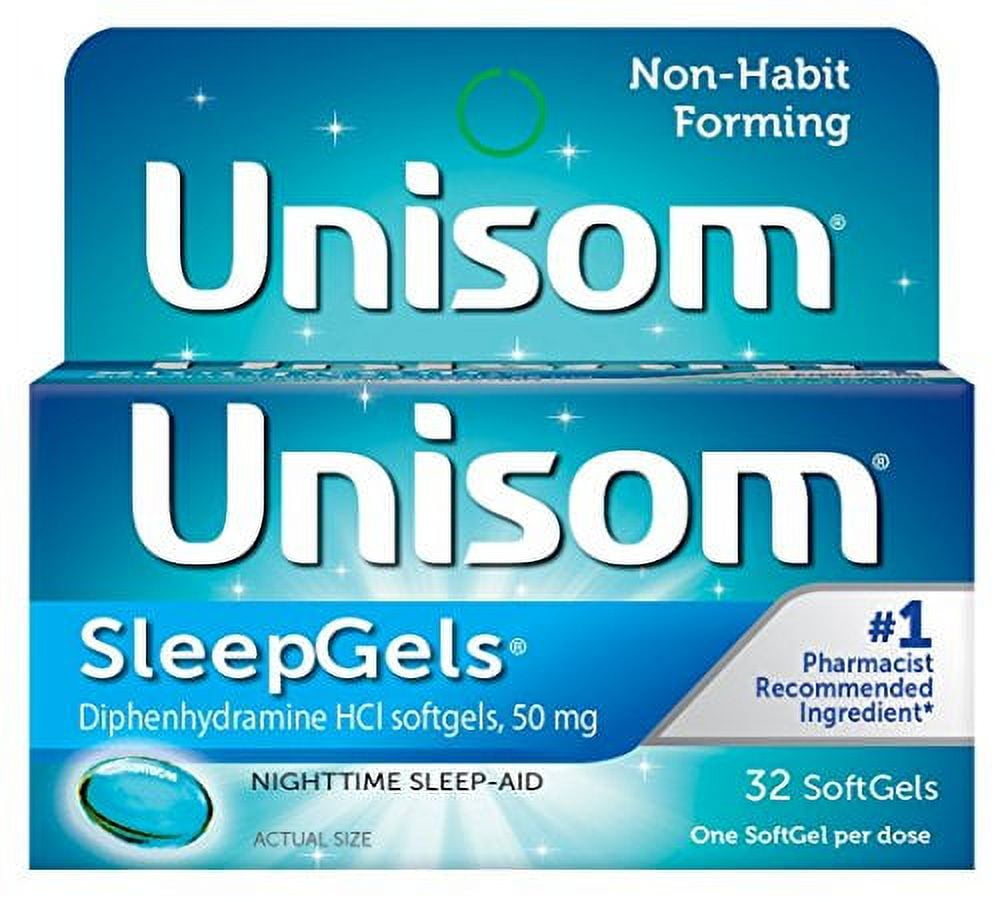
DCP Commissioner Bryan Cafferelli stated that while diphenhydramine is an important tool for treating allergic reactions when used properly, misuse can lead to serious health consequences. He emphasized that medications must be used according to package instructions to avoid irreparable damage.
How should medications be stored safely?
DCP officials provided specific guidelines to reduce the risk of accidental ingestion. They advise keeping all medications in their original containers and storing them out of sight and reach of pets and children.
For households where an individual has a history of self-harm or substance abuse, the DCP recommends using a safe, lockbox, or locked cabinet. Parents are also urged to talk to their children about following dosing instructions found on packaging or provided by a medical professional.
What are pharmacies being asked to do?
The DCP is advising Connecticut pharmacies to provide patients with information on proper dosages and safe storage for both prescription and over-the-counter drugs.
Pharmacy staff have been asked to monitor for unusual purchases of diphenhydramine. Specifically, officials told pharmacy workers to watch for customers under the age of 18 or individuals purchasing the medication in significant quantities.
What may happen next?
Connecticut pharmacies may increase their screening of customers purchasing diphenhydramine-based products. This could lead to more frequent interactions between pharmacists and customers regarding the intended use of sleep aids and allergy medications.
Local health initiatives might also expand to include more direct education for parents on the dangers of OTC misuse. Such efforts would likely focus on the specific risks associated with the medications highlighted by the DCP.
Frequently Asked Questions
Which over-the-counter medications did the DCP specifically mention?
The agency highlighted Benadryl, cough syrups, and anti-diarrheals.
Where can residents find correct dosing instructions?
Dosing instructions are located on the medication’s packaging or can be obtained from a medical professional.
Who is specifically advised to use a locked cabinet or safe for meds?
The DCP recommends locked storage especially if someone in the home has a history of self-harm or substance abuse.
How do you currently secure medications in your home?