
Copper Cable Theft Surge Leaves French Cities in Darkness
French municipalities are increasingly grappling with a surge in copper cable thefts, a persistent issue that has left entire neighborhoods in darkness. As the market value of the metal continues to climb, local infrastructure—specifically street lighting—has become a prime target for well-organized groups.
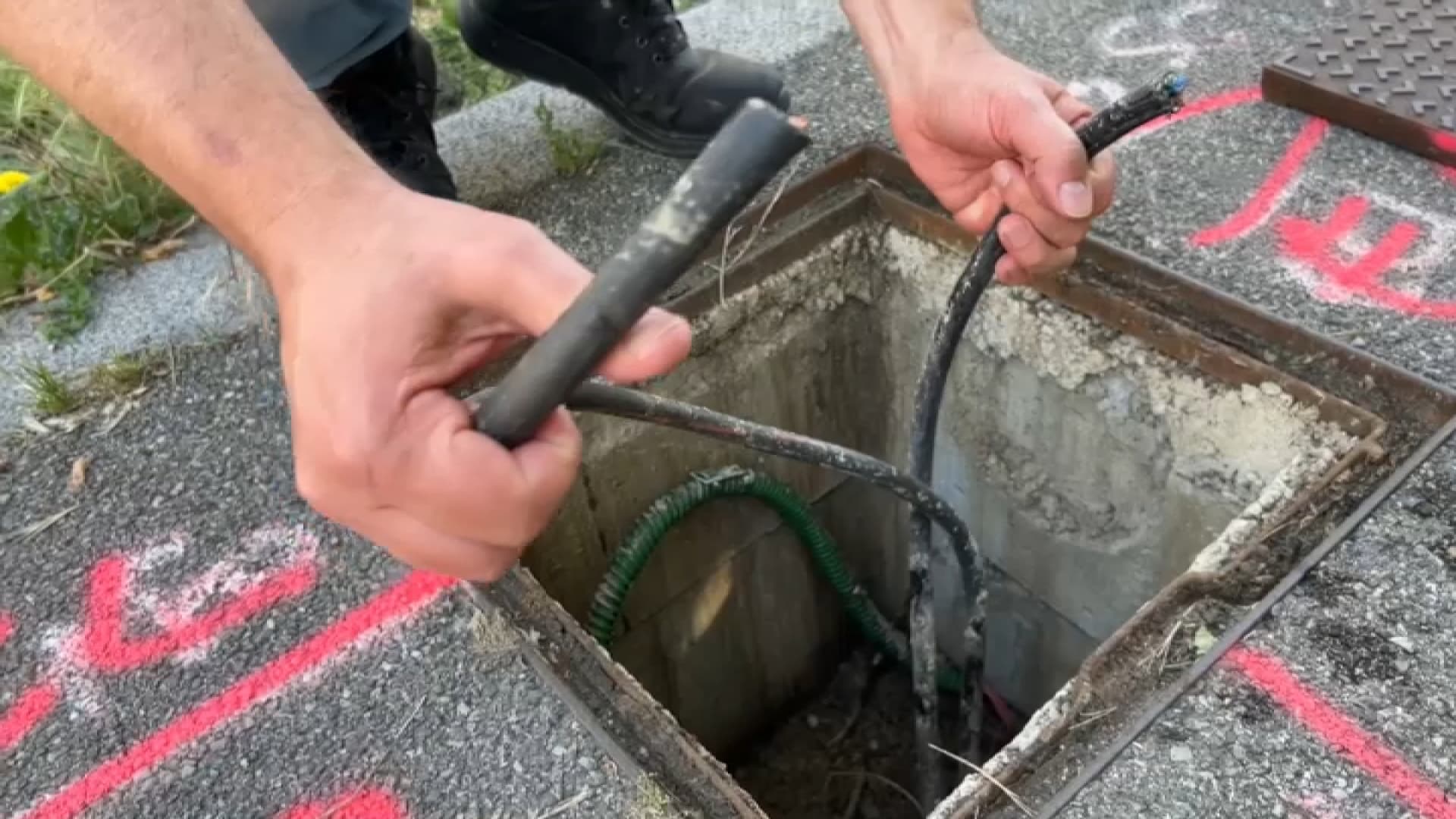
In Villeurbanne, the impact has been particularly severe. Between February and April, approximately 12 kilometers of cabling were stolen from the commune. The thefts, which often follow a consistent pattern, involve perpetrators opening access points to cut and remove roughly 25-meter segments of cable between lighting poles. Currently, 400 lanterns remain dark across the municipality.
Thomas Mouyon, who serves as the head of the public lighting service, noted that the damage has affected about 40 streets. Repairing this infrastructure is a significant undertaking, with the city facing over 150,000 euros in investment costs and a projected month of work to restore service. While the city has filed a formal complaint and one individual was apprehended in early May, the logistical burden of these repairs remains heavy.
The Financial and Security Toll
Beyond the immediate darkness, the economic consequences are disproportionate. In Langeais, for instance, a municipal campsite suffered damages estimated at 50,000 euros for a copper haul valued at only 600 euros. This disparity highlights the broader struggle for local authorities, who are often left to manage massive repair bills triggered by relatively small-scale thefts.

The price of copper has experienced a significant rise, with market records showing an increase of more than 140% between April 2020 and April 2026.
The trend is not limited to a single region. Since the start of the year, at least ten communes have reported similar incidents, including locations in the Deux-Sèvres, Haute-Savoie and Calvados departments. Michel Sauvade, vice-president of the Puy-de-Dôme department and an elected representative for the Association of Mayors of France, describes a pervasive sense of powerlessness among local officials.
The challenge for municipalities lies in the trade-off between security and accessibility. While preventative measures like video surveillance, specialized protection chambers, and line-monitoring systems exist, they are often prohibitively expensive and can inadvertently complicate the work of emergency services and technical teams.
Looking Ahead
As municipalities continue to face these threats, they are likely to remain in a state of high vigilance. Future efforts may focus on a combination of increased law enforcement presence and calls for greater citizen reporting of suspicious activity near electrical infrastructure. However, until the incentive for such thefts is mitigated, local governments may continue to struggle with the high costs and public safety concerns inherent in securing copper-based networks.
Frequently Asked Questions
Why are street lights being targeted for copper theft?
The primary driver is the significant increase in the market price of copper, which has seen a rise of over 140% since April 2020, making the metal highly attractive to organized groups.
What are the main consequences for residents?
The removal of cables leaves streets in darkness, which residents have described as unsettling and a hindrance to basic daily activities like walking dogs or navigating neighborhoods at night.
Why is it difficult for cities to prevent these thefts?
According to local officials, effective protection systems—such as video surveillance or specialized alarms—are not only technically complex but also extremely expensive for local budgets, often exceeding the capacity of small municipalities.
What measures do you think would be most effective in protecting public infrastructure from such thefts?