
Pediatric Respiratory Illnesses: Prevention Tips and Warning Signs
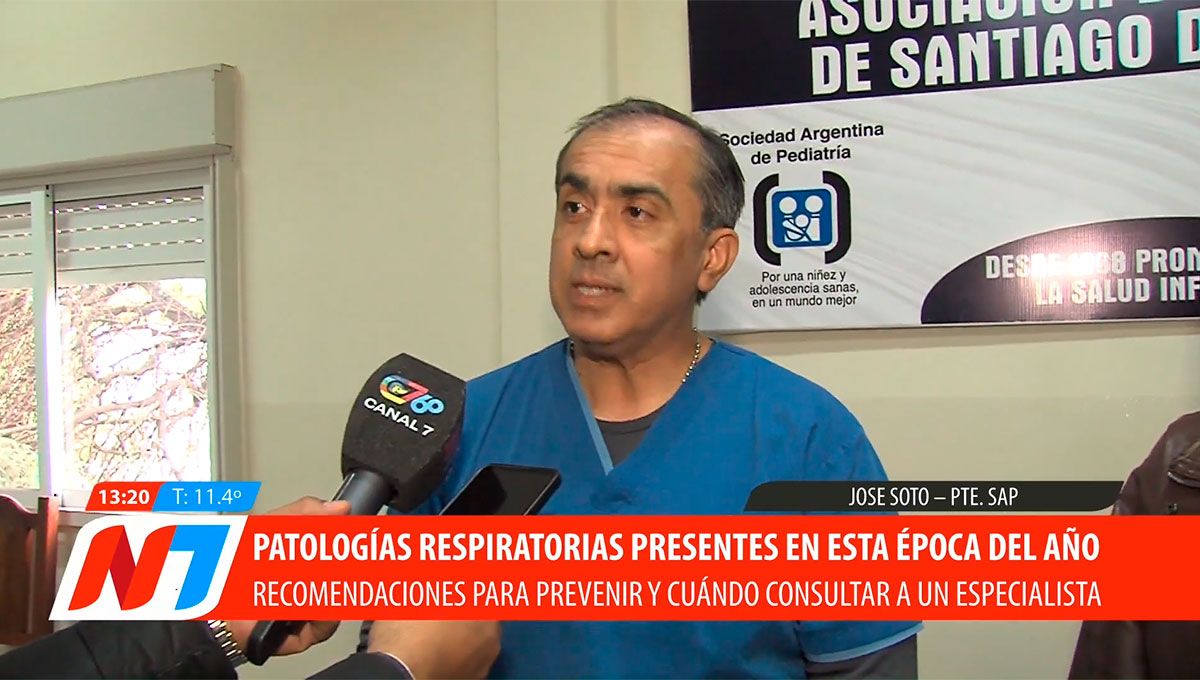
The Argentine Society of Pediatrics (SAP) in Santiago del Estero reports an increase in respiratory illnesses during the autumn-winter season, with Influenza A as the most detected virus. Dr. José Soto and colleagues advise strict hygiene and vaccination to protect infants and children with pre-existing health conditions.
Why are respiratory illnesses increasing in Santiago del Estero?
Respiratory pathologies typically rise during autumn and winter, according to Dr. José Soto, president of the SAP in Santiago del Estero. Most of these cases are viral, though some are allergic.

Dr. Soto, along with pediatricians Natalia Melano and Mariana Vittar, told Noticiero 7 that Influenza A currently represents the highest percentage of detected viruses. They noted a recent spike in consultations linked specifically to school environments.
How can families prevent the spread of viruses?
Medical professionals recommend frequent hand washing and the cleaning of surfaces and toys. They emphasize that opening windows and doors to ventilate indoor environments is critical for prevention.
Maintaining a complete vaccination schedule is another priority to prevent respiratory diseases and their complications. For households with sick children, the SAP recommends avoiding contact between those children and infants under three months old, particularly if the older children attend school.
When is an emergency room visit necessary?
Parents should seek urgent care if an infant under three months presents a fever of 38 degrees Celsius or higher. Other critical warning signs include rapid breathing, agitation, or visible effort to breathe.
Dr. Soto and his colleagues highlighted “rib retraction”—when the ribs sink in during inhalation—as a primary symptom that requires immediate emergency intervention. If a child struggles to get air, they must go to the guard.
Conversely, older children aged 7, 8, or 10 who only show nasal mucus and have no risk factors do not need the emergency room. These patients can be seen at private centers, UPA, CAPS, or external clinics.
Who are the most vulnerable patients?
Infants under three months are among the most vulnerable groups. The SAP also identifies children and adolescents with underlying health conditions as high-risk.

These conditions include bronchial asthma, diabetes, obesity, congenital heart disease, and oncohematological diseases. Patients who have undergone transplants or those who are unvaccinated also face higher risks.
Families living in overcrowded conditions are more likely to experience easier virus transmission, which could lead to a higher frequency of infections within the home.
Frequently Asked Questions
Which virus is most prevalent right now in Santiago del Estero?
According to the SAP, the highest percentage of detected viruses currently corresponds to Influenza A.
What temperature is considered a fever for infants?
Medical professionals define fever as a temperature starting from 38 degrees Celsius.
What are the physical signs of respiratory distress in children?
Signs include rapid breathing, agitation, difficulty taking in air, and the sinking of the ribs during breathing.
What steps do you take in your home to ensure proper ventilation during the winter months?