
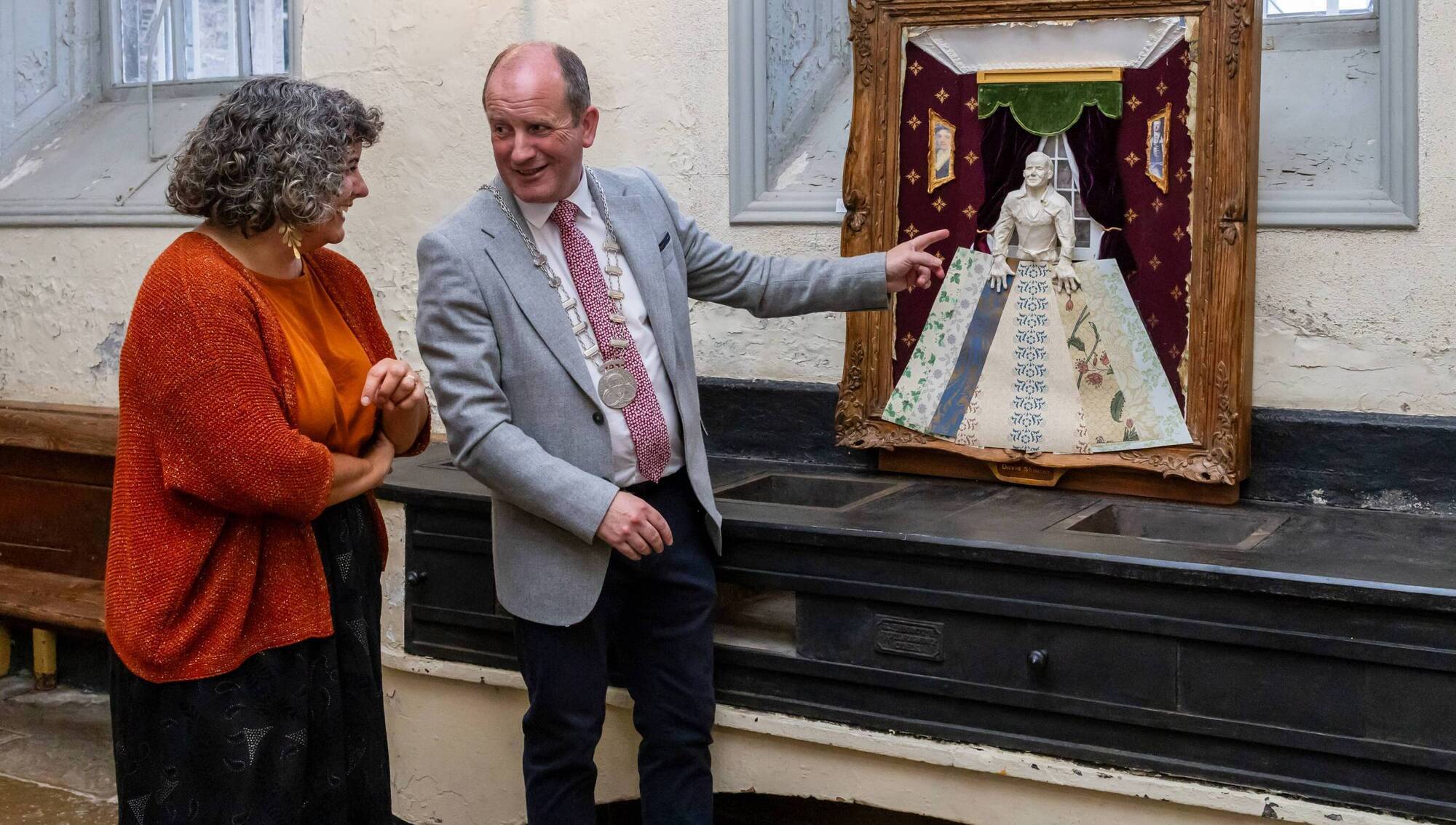
Cork councillor adopted from mother and baby home reunited with birth parents and six siblings
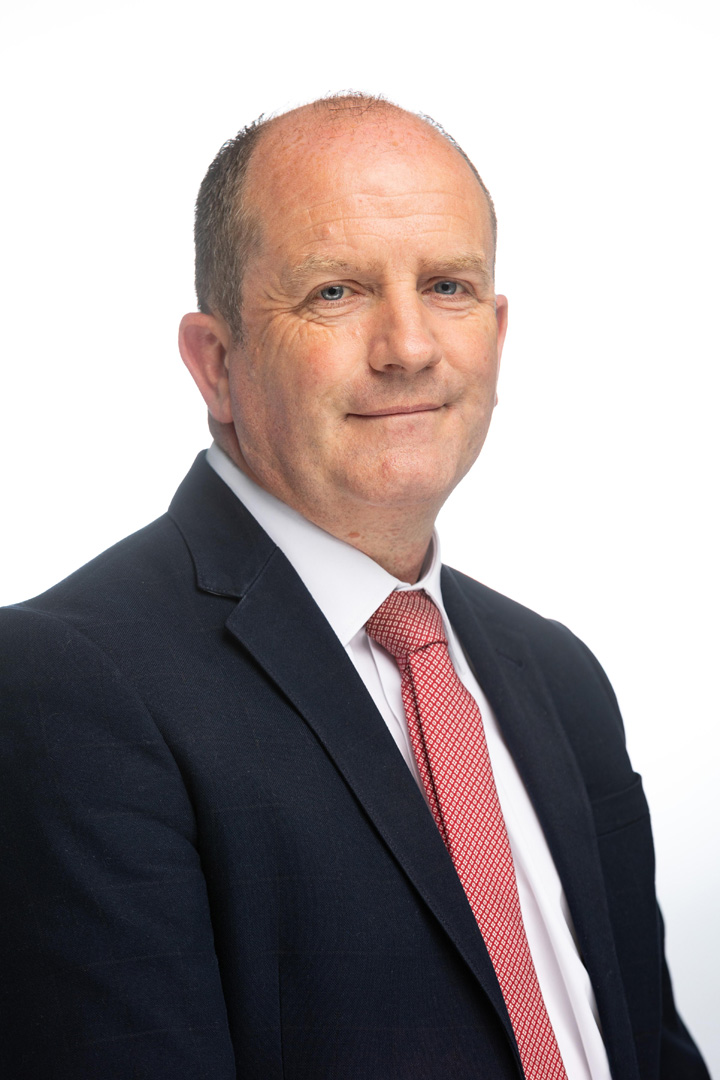
Dominic Finn, a county councillor and assistant school principal from Cobh, County Cork, has successfully traced his biological family after discovering he was born in Dublin rather than Cork. Born on September 10, 1975, and placed in the Bessborough mother and baby home before his adoption, Finn’s journey involved navigating incomplete records, a baptismal history spanning three different locations, and a chance discovery involving a nurse who cared for him as an infant.
Did You Know? Dominic Finn was baptised three separate times: once in the Lough Presbytery in Cork, once at St John’s Parish in Blackrock, Dublin, and once in Cobh, a practice he notes was common for children processed through the St Anne’s Adoption Society to facilitate later sacraments.
The Search for Origins
Finn began his formal search in 2019 by contacting the national adoption service in Glanmire, Cork. According to Finn, he initially possessed only a baptismal certificate from the Lough Presbytery. Upon accessing his file, officials informed him he was born at Holles Street Hospital in Dublin and subsequently moved to St Patrick’s Infant Hospital in Temple Hill before his transfer to Bessborough.

The breakthrough came in May 2020 during the COVID-19 pandemic. While researching the history of St Patrick’s Infant Hospital, Finn identified a former nurse who had worked there in 1975. This contact facilitated communication with the adoption service, eventually leading to the identification of his birth name, Andrew Doyle. In October 2020, a social worker confirmed that his biological parents, Anne and John Feery, had married and raised six children together in Tyrrellspass, County Westmeath.
Expert Insight
Expert Insight: The case of Dominic Finn highlights the significant, often life-altering role that access to personal records plays for adoptees. The reliance on informal networks—such as finding a former nurse—underscores the limitations that GDPR and institutional record-keeping can place on individuals seeking their medical and biological history. For many adoptees, the timeline for official agency searches can span years, making the ability to verify personal data a critical factor in their ability to reconcile their past.
Significance and Local Context
Finn’s experience reflects a broader trend among local representatives in County Cork. He is one of three sitting councillors out of 55 who were identified as Bessborough adoptees, a group that includes County Mayor Mary Linehan-Foley and councillor Marie O’Sullivan. Finn noted that while his own outcome was positive, he remains mindful of the many adoptees who face less successful conclusions in their searches.
What May Happen Next
As Finn continues to integrate his two families, future developments are likely to focus on the strengthening of bonds between his life in Cobh and his relatives in Tyrrellspass. Following the death of his biological father, John, in 2024, Finn’s ongoing engagement with his six siblings and 21 newly discovered cousins remains a personal priority. Professionally, his public disclosure regarding his background may influence ongoing local discussions at County Hall regarding the historical treatment of Bessborough residents.
Frequently Asked Questions
How did Finn find his birth parents?
After contacting the national adoption service and connecting with a former nurse from his infant hospital, Finn was assigned a social worker. This worker initiated a search that successfully located his biological parents in Tyrrellspass, County Westmeath.
Did his biological family know he existed?
No. According to Finn, his biological parents had not disclosed his existence to anyone, including his six biological siblings, prior to the search.
What were the challenges in his search?
Finn faced significant hurdles due to restricted information access under GDPR and the fact that many adoption files from the era were destroyed. He was initially told a search could take four years before his breakthrough in 2020.
How do you think increased transparency in adoption records impacts the lives of those searching for their biological families?