

Corrugated Cardboard: The Top Choice for Safe and Efficient Goods Transport in Germany
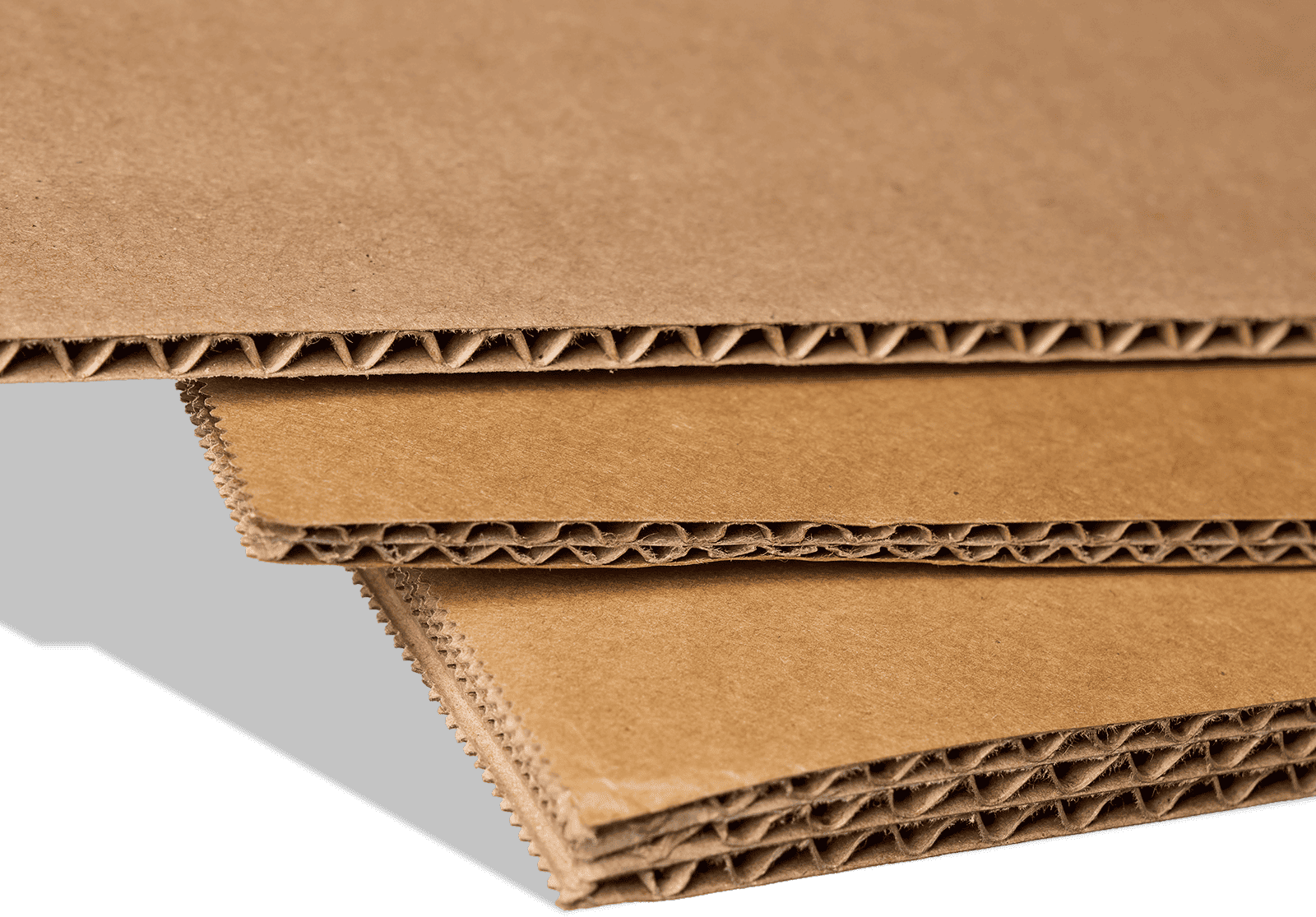
Over two-thirds of goods transported in Germany use corrugated cardboard, making it the leading material for freight packaging, according to the Verband der Wellpappenindustrie (VDW). The material’s success stems from its structural efficiency, with fluted layers between paper sheets providing durability while minimizing weight. Short supply chains for domestically produced corrugated cardboard also help maintain cost efficiency, as the product is typically used near its production site.
Corrugated cardboard offers versatile protection for goods ranging from hazardous materials to fragile produce, with customized inlays replacing plastic fillers. Heavier items like furniture rely on multi-fluted variants, while lighter goods use single-fluted designs. The VDW reports that member companies have reduced the average weight of corrugated cardboard by over 10% since 1990, balancing material use with optimal safety.
Why It Matters
The dominance of corrugated cardboard in Germany’s logistics sector highlights its role in balancing cost, sustainability, and reliability. Its widespread use suggests a high level of trust in its ability to protect diverse cargo, from industrial components to perishables. The material’s adaptability—through standardized formats and tailored solutions—supports efficient handling across supply chains, reducing waste and operational complexity.
The 10% reduction in weight since 1990 underscores the industry’s focus on resource efficiency, a trend likely to continue as environmental regulations tighten. Short domestic supply chains further reinforce cost control, a critical factor as global shipping challenges persist. However, the reliance on localized production could pose risks if domestic manufacturing capacity faces disruptions.
What May Happen Next
Industry experts suggest that further weight reductions in corrugated cardboard could occur, provided safety standards remain intact. This might involve advancements in material science or more precise design optimization. However, any shifts would need to balance innovation with the material’s proven track record in protecting goods during transit.
The VDW’s emphasis on localized production may lead to increased investment in regional manufacturing hubs, potentially insulating the sector from global supply chain volatility. Conversely, growing international demand for German-made corrugated cardboard could extend its reach beyond domestic markets, though this would depend on logistical and regulatory factors.
Frequently Asked Questions
What percentage of goods in Germany are packaged in corrugated cardboard? Over two-thirds of transported goods use corrugated cardboard, according to the VDW.

What role does the VDW play in the corrugated cardboard industry? The VDW represents companies involved in producing and supplying corrugated cardboard, focusing on efficiency, sustainability, and quality standards.
How has the efficiency of corrugated cardboard improved since 1990? The average weight of produced corrugated cardboard has decreased by over 10%, as reported by the VDW.
How might the corrugated cardboard industry adapt to future environmental regulations while maintaining its current level of service?