

Could a common dietary supplement accelerate Alzheimer’s?
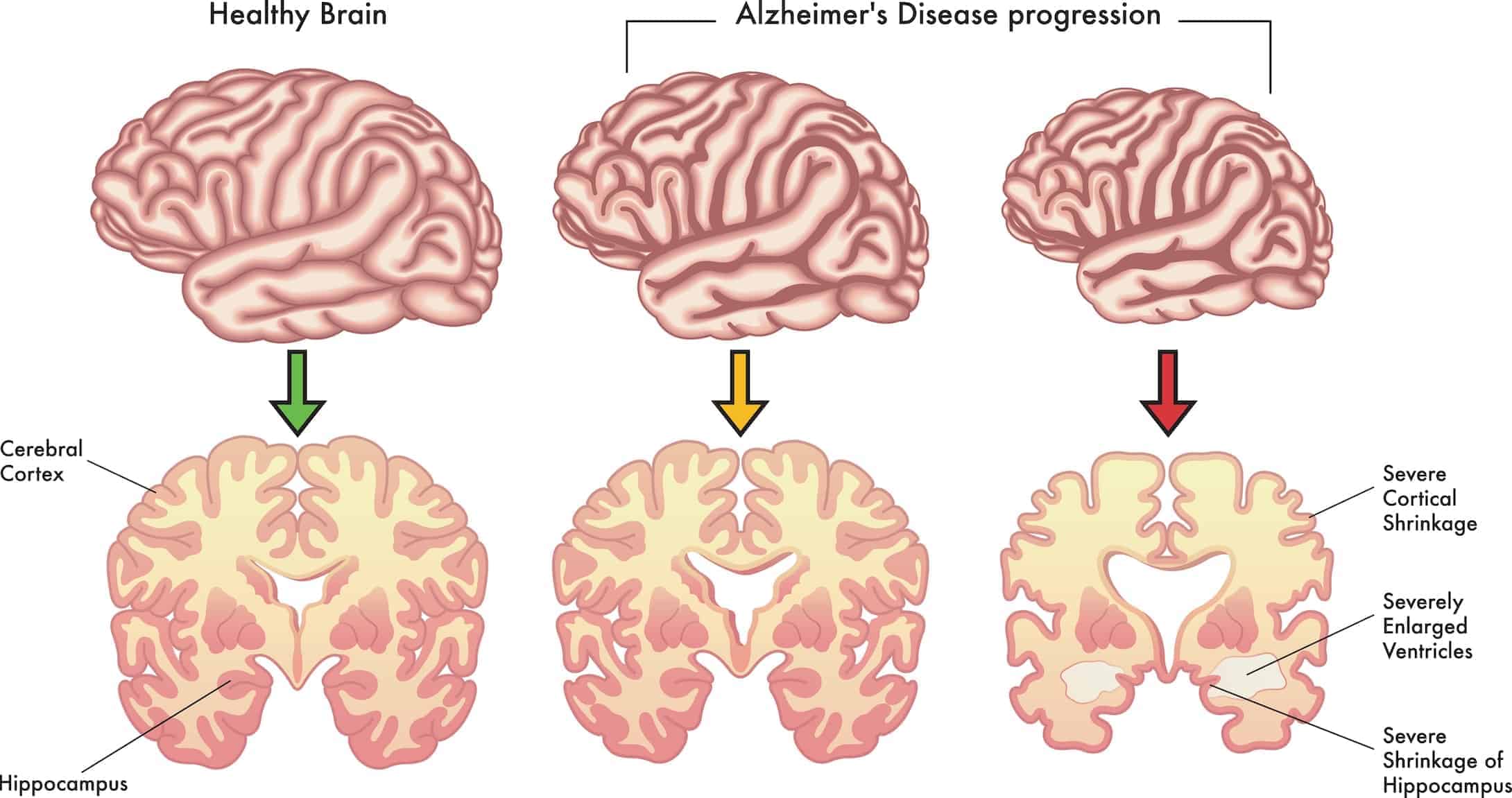
A research team led by biochemist and molecular biologist Ramon Sun at the University of Florida has identified glucosamine as a potential driver of Alzheimer’s disease progression. According to findings published in Nature Metabolism, the supplement may fuel a metabolic crisis in the brain by increasing levels of sugars called glycans, potentially accelerating cognitive decline in affected patients.
Sun’s laboratory used a new technique called multi-imaging to reach these conclusions. Sun described the technology as a robot with lasers that scans the brain for biomolecules that have been missed for decades.
Researchers applied this technology to brain samples from three individuals with Alzheimer’s and three people without the disease. They found that brains with Alzheimer’s contained substantially higher levels of glycans, a condition known as hyperglycosylation.
Why does glucosamine affect Alzheimer’s patients?
Glycans typically act as scaffolding to support and stabilize cells. However, Sun reported that excessive accumulation of these sugars may contribute to disease progression through a previously unrecognized pathway.
Hudson Freeze, a glycobiologist at Sanford Burnham Prebys, called the discovery “mind blowing.” Freeze noted that scientists have long ignored this specific area of sugar metabolism.
Sun stated that the evidence suggests Alzheimer’s is fundamentally a “metabolic crisis” caused by metabolism going haywire in the brain.
What happened in the research studies?
To test if glycans actively drive the disease, the team used mouse models. They found that reducing glycan production improved memory and cognition, while increasing production worsened decline.
.png "What happened in the research studies?")
When researchers gave Alzheimer’s-affected mice glucosamine, the animals developed more severe cognitive impairment. This occurred because the body uses glucosamine to build glycans.
The team also analyzed electronic health records of humans. They found that Alzheimer’s patients taking glucosamine had higher mortality over a five-year period than those who did not.
According to Sun, roughly 25% more Alzheimer’s patients taking the supplement died during the study period.
How could this change future treatment?
Sun stressed that glucosamine does not appear to give healthy people dementia or impact their cognition. The researchers suspect the supplement fuels dysfunction only in brains already affected by the disease.
A possible next step involves clinical trials where some Alzheimer’s patients stop taking glucosamine to see if discontinuation slows disease progression.
If future studies confirm these findings, Sun said physicians may eventually advise Alzheimer’s patients to avoid glucosamine supplements. The identified pathway could also serve as a target for future drug development.
Freeze added that further research is needed to determine exactly what doses and forms of glucosamine patients were using.
Frequently Asked Questions
Does glucosamine cause Alzheimer’s in healthy people?
No. According to Ramon Sun, the researchers believe glucosamine does not impact cognition or cause dementia in healthy, normal people.
What is hyperglycosylation?
It is a condition where the brain accumulates excessive amounts of glycans, which are sugars that attach to proteins to help cells function.
What was the impact of glucosamine on human mortality in the study?
Analysis of electronic health records showed that Alzheimer’s patients taking glucosamine had roughly 25% higher mortality over a five-year period compared to those not taking the supplement.
Do you check with a doctor before starting common dietary supplements?