
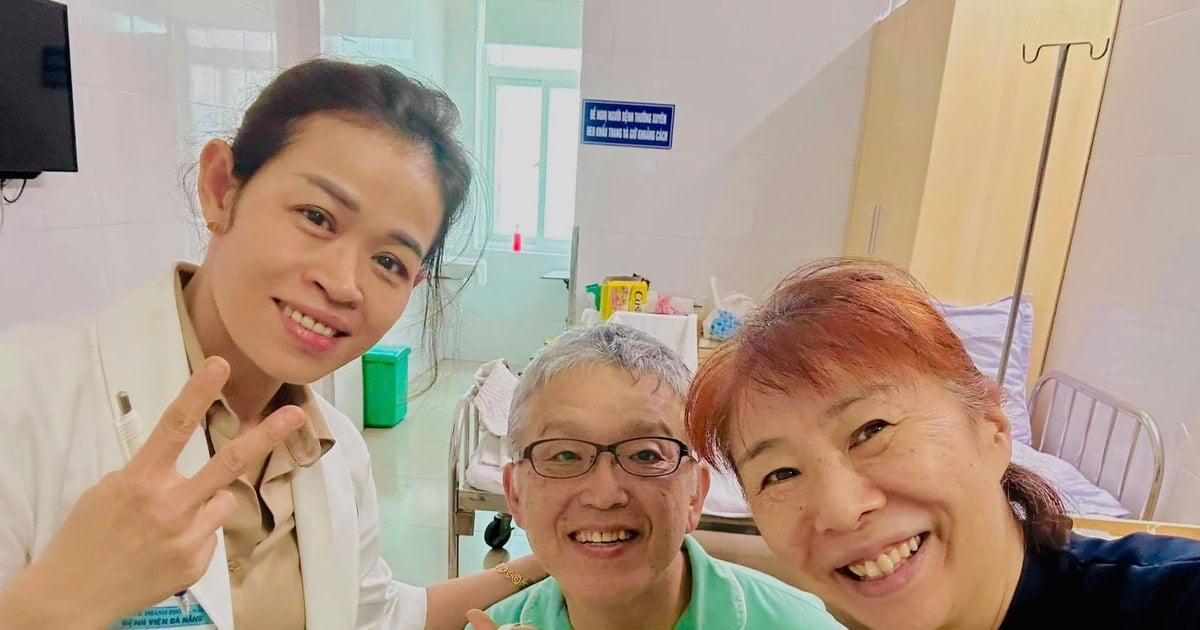
Transforming Da Nang into a Global Medical Tourism Hub
Da Nang is developing an international integrated medical system to attract global health tourists by focusing on high-quality, human-centered care. According to Tran Thanh Thuy, Director of the Da Nang Health Department, the city aims to build a modern and equitable system that leverages its infrastructure, living environment, and international connectivity.
The city is targeting a shift toward becoming a regional medical hub for the Central and Central Highlands regions. Thuy stated that the health sector will prioritize general health check-ups, cancer screening, treatment of non-communicable diseases, dentistry, ophthalmology, rehabilitation, traditional medicine, and assisted reproductive technology.
Why is Da Nang expanding its medical tourism sector?
A global surge in combining tourism with medical care has created new opportunities for the city, according to Ngo Duc Hai, CEO of Thien Nan Hospital JSC. Hai noted an increase in foreigners and overseas Vietnamese visiting Da Nang for diagnostics, short-term treatment, and health screenings, particularly among luxury resort guests and long-term visitors.
Medical costs in Vietnam remain reasonable compared to other countries in the region, Hai said. He attributed the growth to advancements in medical technology, equipment, and the quality of professional medical staff.
How will the “Silver Economy” influence health travel?
Le Quoc Viet, President of the Quang Region Tourism Club, stated that Da Nang is a popular destination for middle-aged and elderly tourists who prioritize health. These visitors often seek traditional medicine and health management practices as part of what Viet calls the “silver economy.”

Viet highlighted the region’s rich resources of medicinal herbs, including several unique species that have international brand recognition. He suggested that linking herb cultivation areas with medical tourism could support sustainable local livelihoods.
To improve this sector, Viet recommended establishing scientific analysis and certification systems to increase the reliability of medicinal plants. He proposed creating specialized medical “hubs” in centers like Da Nang, Hoi An, and Tam Ky to extend tourist stays and increase value.
What is required to build a competitive medical ecosystem?
Le Thanh Thanh Tung, Vice President of Vitraco Joint Venture Transport Tourism Co., Ltd, argued that the city needs a comprehensive solution to turn potential into market competitiveness. Tung suggested creating a “closed-loop” service chain that integrates medical facilities, tourism businesses, accommodation, and transport.
This system could cover the entire patient journey from initial screening and treatment to recovery and aftercare, according to Tung. He also recommended the development of multi-language information platforms and stronger cooperation with overseas doctor associations and travel agencies.
To increase awareness, Tung suggested inviting influencers and experts to experience these medical products. This strategy, combined with customized packages for different market segments, may help Da Nang establish itself as a prestigious medical destination.
What may happen next for Da Nang’s healthcare?
The city may increase investments in specialized centers and promote technology transfers to meet international standards. According to Thuy, this focus on professionalization and service quality is essential to maintain the trust of international patients.
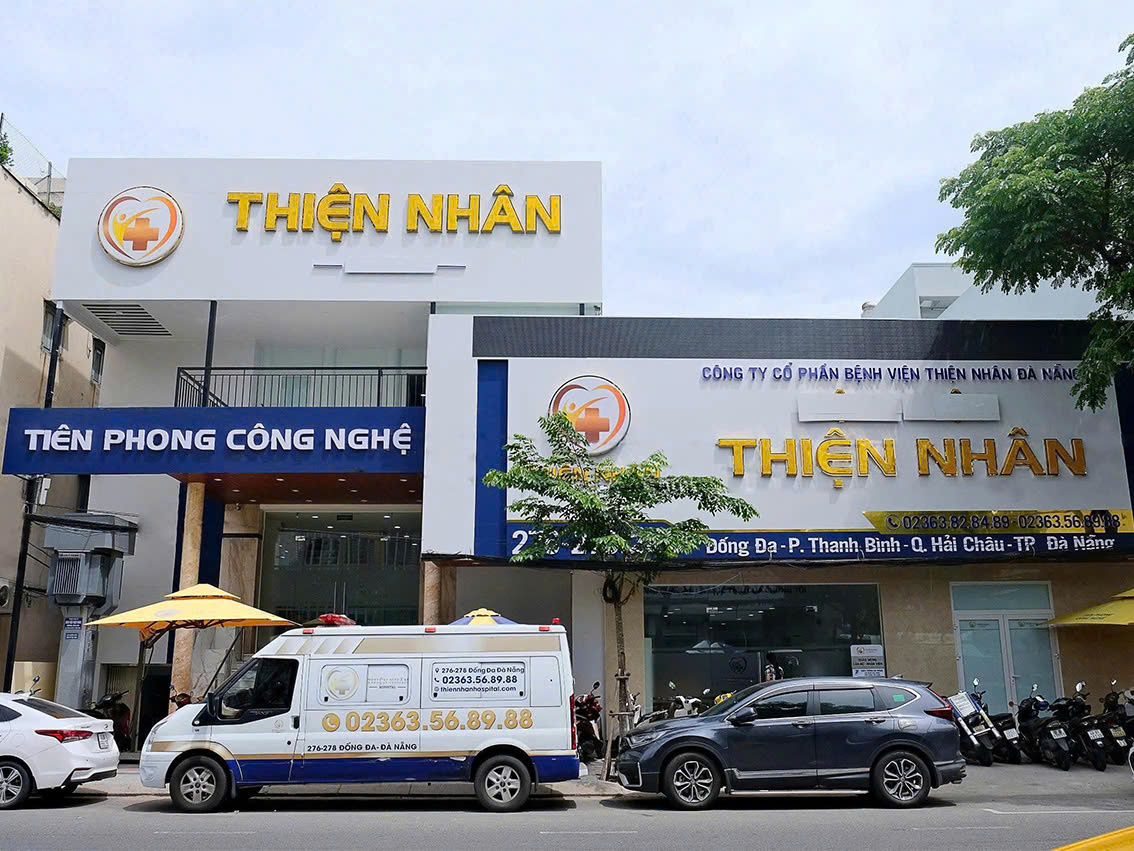
Further developments could include the digital transformation of patient experiences, including improved booking, interpretation, and payment systems, as suggested by Hai. If the health sector, tourism industry, and private enterprises coordinate their strategies, the city is likely to see a rise in specialized medical products tailored to foreign visitors.
Frequently Asked Questions
Which specific medical fields is Da Nang focusing on for growth?
According to Director Tran Thanh Thuy, the city is focusing on general health check-ups, cancer screening, non-communicable disease treatment, dentistry, ophthalmology, rehabilitation, traditional medicine, and assisted reproductive technology.
What factors make Da Nang attractive for medical tourists?
Ngo Duc Hai, CEO of Thien Nan Hospital JSC, cited reasonable medical costs compared to other regional countries, as well as advancements in medical equipment, technology, and professional staff.
What is the proposed role of medicinal herbs in the region’s health strategy?
Le Quoc Viet suggests linking the cultivation of unique medicinal herbs in the region with medical tourism to support the “silver economy” and provide traditional health management for elderly tourists.
Would you consider traveling to a new destination specifically for high-quality, lower-cost medical treatments?