

Could Your Home Become a Mini Data Center to Power AI Growth
The rapid expansion of artificial intelligence is creating a collision between big tech’s infrastructure needs and public tolerance. Data centers are consuming vast amounts of land and driving up electricity costs, sparking significant public discontent.
This tension has reached state legislatures. While Maine’s legislature passed a data center ban that was later vetoed by the governor, 14 other states—ranging from Oklahoma to New York—are currently considering legislation to pause or ban new facilities.
The Move Toward Residential Compute
Despite political headwinds, capital investment remains aggressive. Wall Street estimates suggest major U.S. Tech firms could spend $1 trillion annually on AI by 2027, while McKinsey forecasts global spending on data centers will reach $7 trillion by 2030.

To bypass land and infrastructure bottlenecks, some industry players are exploring the “home-as-data-center” model. Homebuilder PulteGroup is conducting early tests with Nvidia and the startup Span to install fractional data center nodes on the exterior walls of new homes.
Economic Incentives and Sustainability
Proponents argue that distributing compute closer to end users increases energy efficiency. In the UK, a startup called Heata processes cloud workloads in homes and channels the resulting heat into hot water cylinders, providing homeowners with free hot water.
The economic gap between traditional builds and residential nodes is stark. Arthur Ream of Bentley University notes that a 100 MW data center typically costs $15 million per megawatt and takes three to five years to build.
In contrast, Span claims it can deploy nodes across 8,000 homes in six months at a cost of $3 million per megawatt. Under this model, homeowners might receive smart panels, battery backups, and discounted utility rates in exchange for hosting hardware.
Security and Infrastructure Barriers
The residential model faces steep technical hurdles. Residential environments often lack the power density, physical security, and environmental controls required for high-density AI training or real-time workloads.
Aimee Simpson of Huntress warns that decentralized networks create significant cybersecurity vulnerabilities. Physical security is also a concern, as residential garages cannot match the 24/7 guarded perimeters of mega data centers operated by Amazon or Microsoft.
Beyond technology, social and regulatory friction may arise. Jeff Lichtenstein of Echo Fine Properties suggests that Homeowners Associations (HOAs) could strongly oppose the installation of commercial equipment in residential neighborhoods.
The Future of Distributed AI
Experts suggest that home-based nodes are unlikely to replace hyperscale data centers. Instead, they may become a niche layer of infrastructure used for AI inference, cloud gaming, and batch processing.
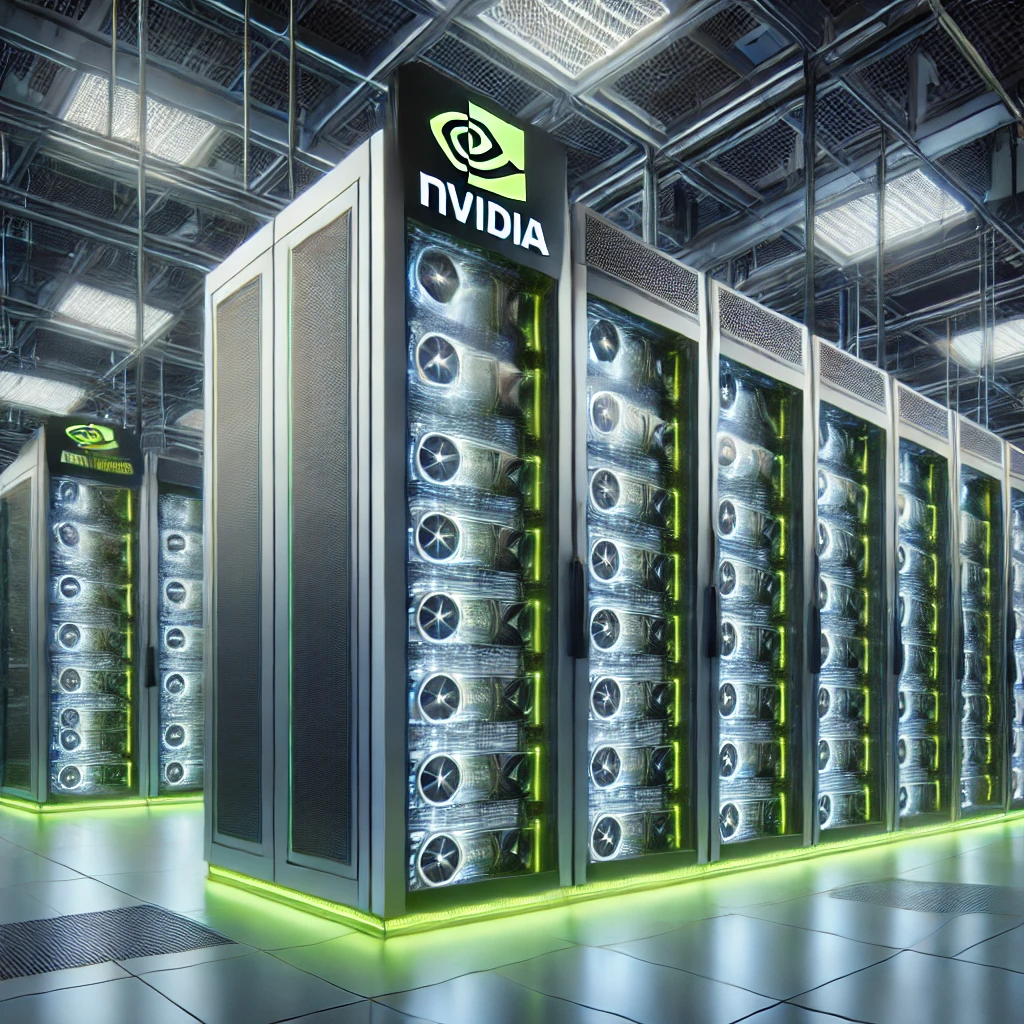
The viability of this model may depend on whether technology can overcome residential power constraints. Currently, a 20-kilowatt residential generator is insufficient to power even a single cabinet of AI servers.
If these barriers are addressed, the industry could see a shift where compute is managed as a professional “edge” service. However, some critics argue that AI requires industrial-scale engineering and integrated supply chains that simply cannot be crowdsourced into basements.
Frequently Asked Questions
Why are some U.S. States considering bans on data centers?
Public opinion on AI has shifted negatively due to data centers consuming large amounts of land and increasing electric bills for residents.
What are the benefits of putting data centers in homes?
This model reduces the need for massive new land developments, brings compute closer to the user, and allows waste heat to be repurposed for home heating or hot water.
Can home-based nodes handle all types of AI work?
No. They are suitable for batch processing and inference, but they lack the power density and redundancy required for large-scale AI training clusters.
Do you think the benefit of discounted utilities outweighs the potential security and privacy risks of hosting a data center node in your home?