
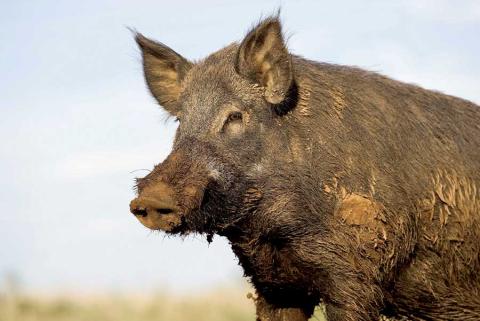
Cousins arrested for illegal hog hunting after abandoning dog on private ranch
Sumter County sheriff’s deputies recently arrested two cousins for illegal hog hunting on a private ranch after using surveillance footage, a Snapchat video, and an impounded pit bull to track the suspects. The case highlights a growing trend of using digital footprints and advanced monitoring to combat trespassing and poaching on private lands.
How is surveillance technology stopping illegal hunting?
Modern poaching is becoming harder to hide due to the proliferation of low-cost, high-resolution surveillance. In the Bushnell case, a detective installed hidden cameras after a property owner reported illegal hog hunting. These cameras captured three men and a dog entering a gated ranch on June 3, providing the first concrete evidence of the crime.
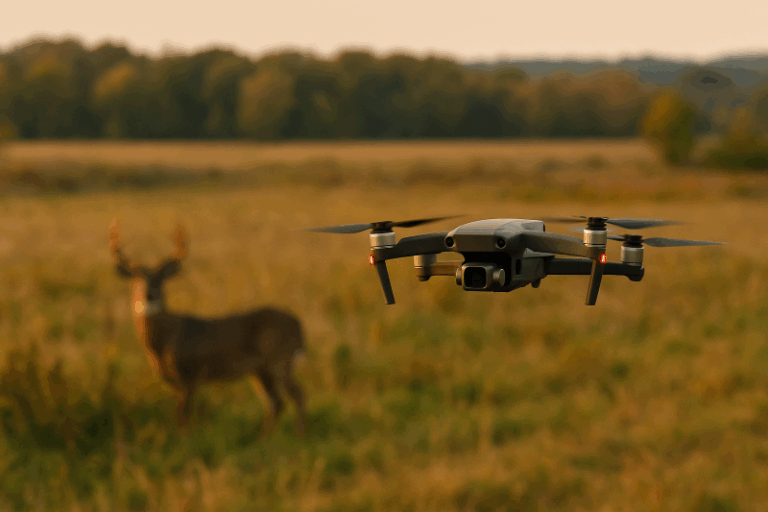
Rural landowners are moving away from simple “No Trespassing” signs toward active monitoring. According to the arrest report, these cameras allow law enforcement to establish a timeline and identify suspects before they’re even apprehended. Many of these systems now feature cellular alerts, notifying owners the moment a perimeter is breached.
Why do social media posts lead to poaching arrests?
Digital bragging is becoming a primary lead for wildlife investigators. Detectives in the Sumter County case uncovered a Snapchat video uploaded by the truck owner. The footage showed the suspects catching and releasing a hog, accompanied by the same dogs captured by deputies during the flight.

This reflects a broader shift in how agencies like the Florida Fish and Wildlife Conservation Commission (FWC) and local sheriffs gather evidence. Social media provides a time-stamped, geo-located confession. When suspects post “trophy” videos or photos, they’re creating a permanent digital trail that bypasses the need for eyewitnesses.
What role do working dogs play in wildlife crime investigations?
While dogs are often used to hunt, they’re increasingly becoming the key to solving poaching crimes. During the June 3 incident, deputies captured a tan pit bull equipped with a tracking collar that the suspects left behind. The dog was taken to Sumter County Animal Services.
The impounded animal acted as a “honey pot.” The suspects’ story collapsed on June 4 when they arrived to retrieve the dog. According to the arrest report, Gavin Dasher and the truck owner initially lied about their identities and claimed they didn’t know each other, despite arriving in the same vehicle. This sequence shows how the emotional bond between a hunter and their dog can lead suspects directly back to investigators.
How are property owners protecting private land from trespassers?
Landowners are increasingly coordinating with state agencies to stop recidivism. In this instance, Gavin Dasher had been cited just days earlier, on May 31, by the FWC for hunting hogs with free-running dogs in the Jumper Creek Wildlife Management Area. This pattern suggests that simple citations aren’t always enough to deter repeat offenders.
The trend is shifting toward more aggressive prosecution of misdemeanor trespassing. By combining physical evidence (impounded vehicles and dogs) with digital evidence (Snapchat), prosecutors can build stronger cases that move beyond “he said, she said” disputes over property lines.
Comparison: Traditional vs. Modern Poaching Detection
| Method | Traditional Detection | Modern Detection |
|---|---|---|
| Evidence | Physical tracks, eyewitnesses | Hidden cameras, GPS collars |
| Identification | On-site apprehension | Social media (Snapchat, IG) |
| Outcome | Warning or small fine | Arrest via digital trail |
Frequently Asked Questions
Can a social media post be used as evidence in a trespassing case?
Yes. According to recent law enforcement practices, videos and photos uploaded to platforms like Snapchat can be used to place a suspect at a specific location at a specific time.

What happens if a hunting dog is impounded during a crime?
The dog is typically held by animal services. As seen in the Sumter County case, the attempt to retrieve the animal often provides investigators with an opportunity to identify and interview suspects.
Is hog hunting always illegal on private property?
No, but it is illegal if the person does not have the owner’s permission or if they violate state wildlife regulations, such as using free-running dogs in restricted areas.
Do you think digital surveillance is the best way to stop poaching, or are there better alternatives?
Share your thoughts in the comments below or subscribe to our newsletter for more updates on rural security and wildlife law.