
Current Students and Staff | Loughborough University
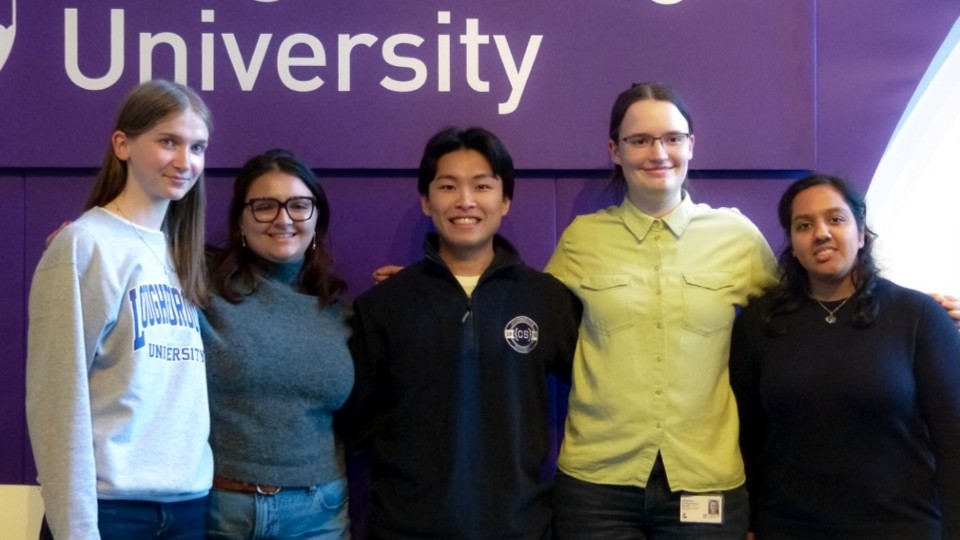
A team of Loughborough University students won the Microsoft Embrace x Midlands Hackathon on May 11 by developing “Lighthouse,” an AI-powered career guidance platform. Built using Microsoft Azure AI, the tool identifies student strengths and skill gaps to provide personalized career recommendations and development opportunities before they reach their final year of study.
How does the Lighthouse platform use AI for career planning?
Lighthouse utilizes Microsoft Azure AI to conduct interactive interviews with students, which the team used to pinpoint specific strengths, interests, and professional gaps. According to the developers, the system then generates tailored recommendations for career pathways, including specific academic modules, external courses, and work experience opportunities.

The platform’s goal is to move career planning from a reactive process to a proactive one. Rather than relying on generic advice, the AI compares potential career paths against the user’s current skill set to map out a concrete trajectory.
Why is early career intervention critical for university students?
Many students delay professional planning until their final year, creating a high-pressure environment as graduation approaches. Heechan Yang, a second-year Computer Science and AI student and member of the winning team, stated that the team wanted to encourage students to think about their future earlier to provide practical guidance on how to reach their goals.

This shift represents a broader trend in educational technology toward “hyper-personalization.” By identifying skill gaps in the first or second year, students can adjust their elective modules or seek specific internships that make them more competitive in the job market.
The team behind the innovation
The multidisciplinary team combined technical and strategic expertise to build the platform. The group included:
- Heechan Yang: Computer Science and AI
- Charlot Eberlein: Computer Science
- Antrea Antonia Mavrommati: Product Design Engineering
- Hanaa Babrakar: Commercial Management & Quantity Surveying
- Lena Krämer: Robotics
What was the Microsoft Embrace x Midlands Hackathon?
Organized by Microsoft in partnership with the Digital Technologies Network, the event took place at the Loughborough campus on May 11. It challenged students from various universities across the Midlands to create AI-powered solutions within a single day.
The Lighthouse team advanced through an initial round of presentations to a final pitch in front of a panel of judges and participants. Following their victory, the team received an invitation to present the platform at Microsoft’s offices later this summer.
What are the future implications for AI in higher education?
The success of tools like Lighthouse suggests a move toward AI-integrated academic advising. Traditional career services often struggle with the scale of student populations; however, AI can provide 24/7 initial guidance that steers students toward the right human mentors and resources.
Industry data from Microsoft Azure indicates that generative AI is increasingly used to bridge the “skills gap” by suggesting micro-credentials that align with real-time market demands. This allows educational institutions to align their curricula more closely with employer needs.
Frequently Asked Questions
What is Lighthouse?
Lighthouse is an AI platform built with Microsoft Azure AI that helps students plan their careers by identifying strengths and suggesting specific learning opportunities.
When did the hackathon take place?
The event occurred on May 11 at the Loughborough campus.
Who organized the event?
Microsoft organized the hackathon in partnership with the Digital Technologies Network.
How does the AI determine career paths?
It uses an interactive interview process to analyze a student’s interests and skills, then compares them to potential career requirements.
What do you think about AI-driven career coaching? Could it replace traditional university advisors, or is it best used as a supplement? Let us know in the comments below or subscribe to our newsletter for more updates on AI in education.