
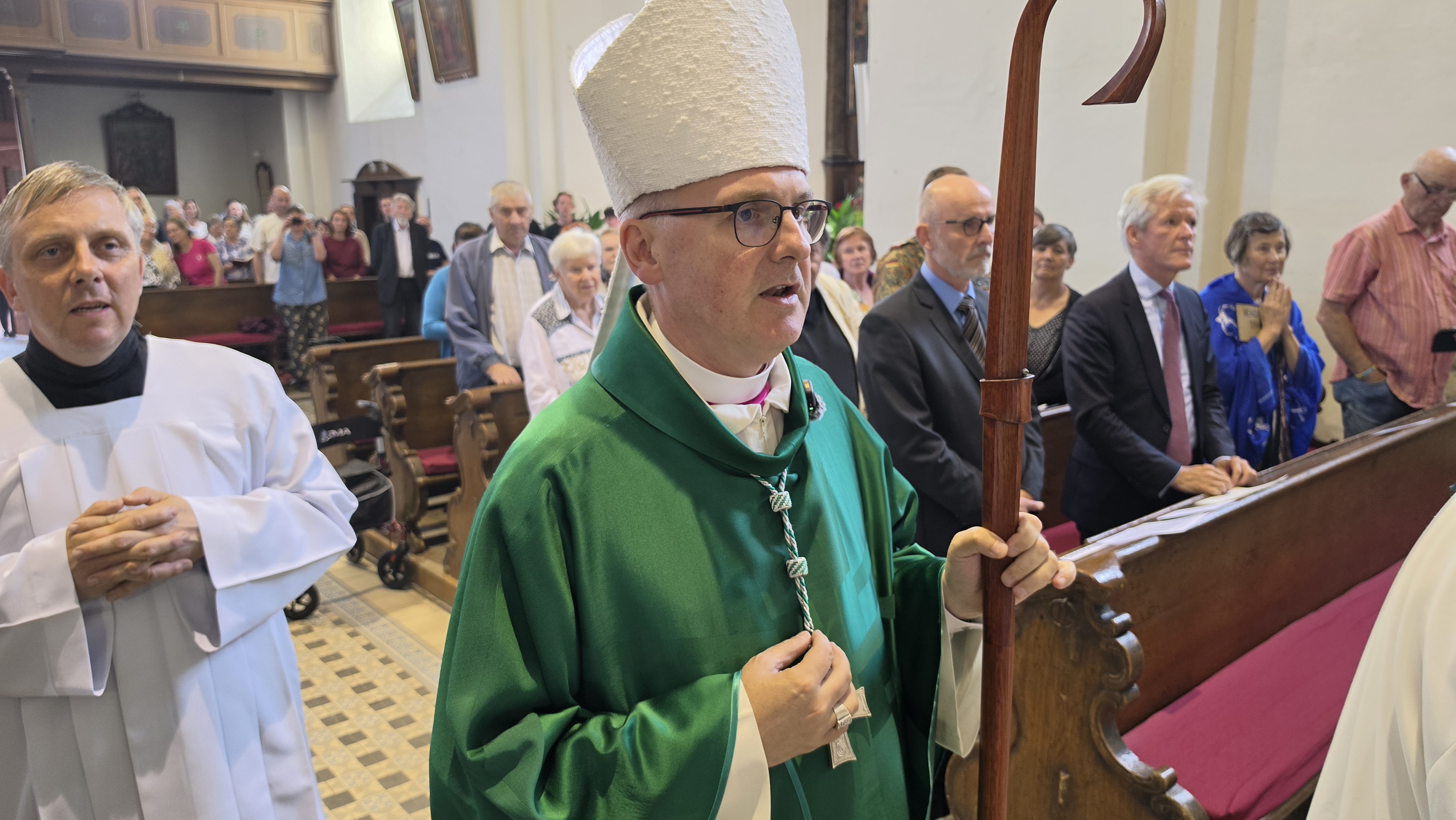
Czech-German Reconciliation Pilgrimage Honors Post-WWII Massacre Victims
For decades, the scars of World War II were often treated as closed chapters in European history books. We spoke of treaties, borders, and political settlements. But as we move deeper into the 21st century, a profound shift is occurring. We are moving away from “institutional forgetting” and toward a more visceral, active form of reconciliation.
The recent reconciliation pilgrimages in the Czech Republic—where faith leaders and diplomats walk miles in the footsteps of victims—are not isolated events. They represent a growing global trend: the realization that peace is not a signed document, but a physical and emotional journey.
The Rise of “Active Remembrance” Over Static Monuments
For a long time, the standard for honoring historical trauma was the stone monument. While plaques and statues serve a purpose, they are static. They allow the viewer to remain a passive observer of history.
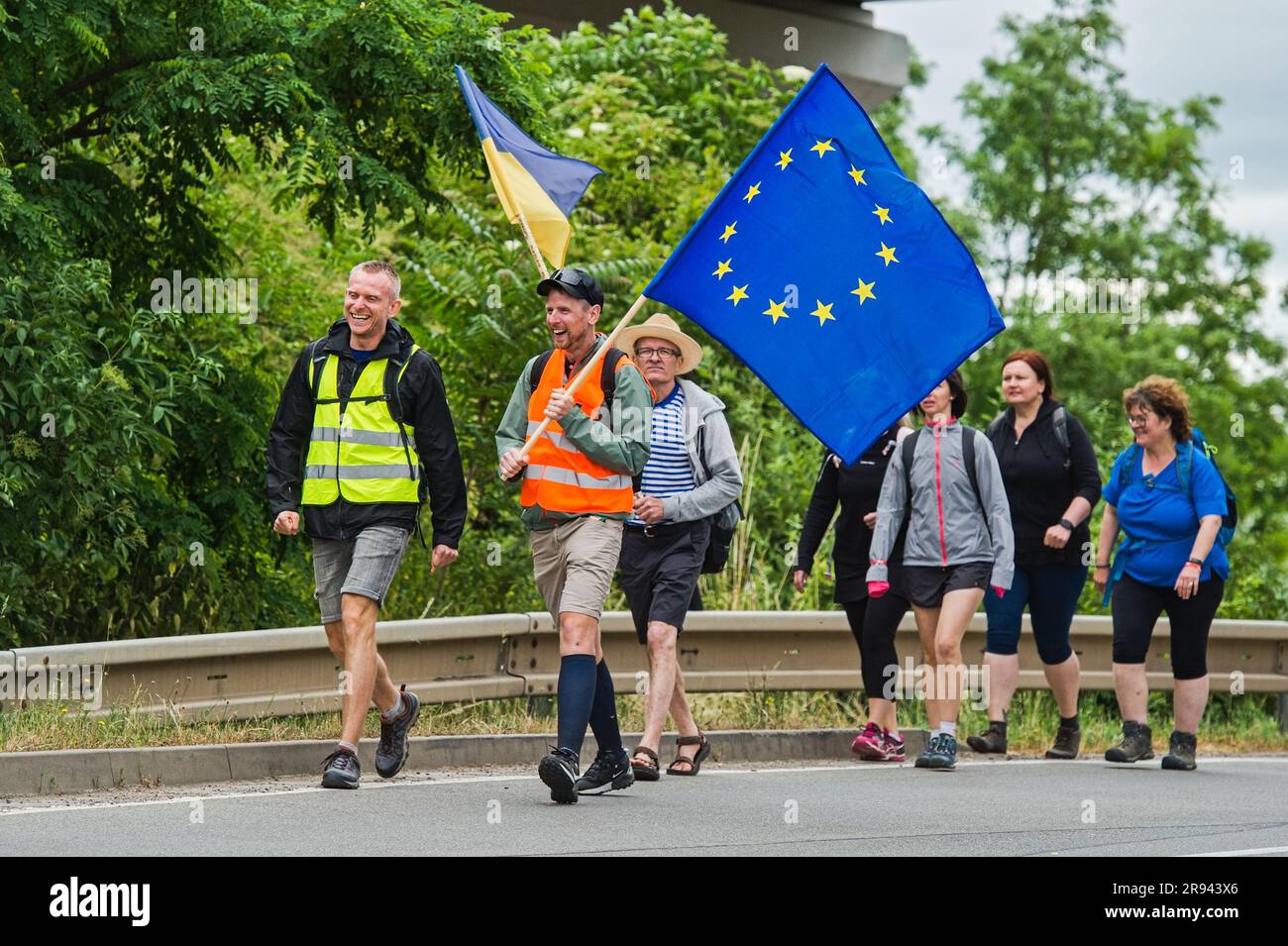
The emerging trend is Active Remembrance. This involves experiential mourning—marches, pilgrimages, and communal acts of labour—that force participants to engage with the geography of pain. When people walk ten miles from one town to another, carrying the names of the dead on scarves or stones, the history ceases to be a date in a textbook and becomes a felt experience.
We see this pattern globally. From the “Peace Marches” in various conflict zones to the walking tours of the Holocaust in Poland, the goal is the same: to transform historical data into human empathy. By physically traversing the land where atrocities occurred, participants “body-map” the trauma, making the process of healing more tangible.
Faith-Based Diplomacy: Filling the Political Vacuum
Politics is often a game of “who is right” and “who is to blame.” In the context of ethnic conflicts—such as the complex history between German-speaking populations and Slavic nations—political leaders are often constrained by nationalistic narratives and the fear of alienating voters.
This is where we are seeing a surge in Faith-Based Diplomacy. Religious leaders, like the Archbishop of Prague, are increasingly stepping into the breach. Because their mandate is spiritual reconciliation rather than political victory, they can speak a language of “mercy” and “shared wounds” that a prime minister cannot.
By framing reconciliation through the lens of faith, these leaders can acknowledge guilt without triggering a political crisis. They shift the conversation from legal liability to moral healing. This trend is likely to expand as secular political polarization increases, leaving the church and other spiritual organizations as the primary mediators of historical trauma.
Why this works: The “Truth vs. Rightness” Paradox
As noted in recent reconciliation efforts, there is a vital distinction between being “right” and finding the “truth.” In a political setting, being right is the goal. In a restorative setting, the truth is simply the starting point.
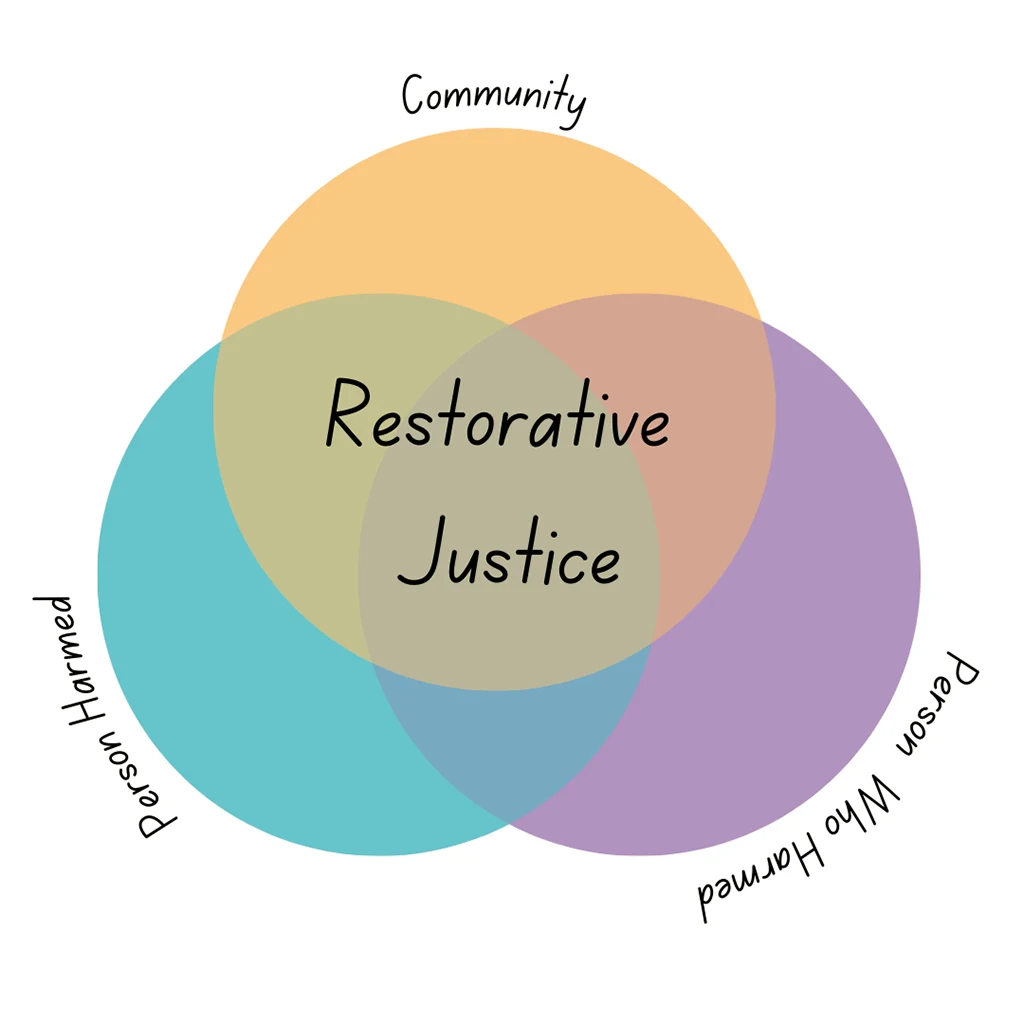
Future trends in conflict resolution are leaning heavily toward this “Restorative Justice” model. Instead of focusing on punishment (which is often impossible decades after the fact), the focus shifts to acknowledging the victim’s experience and the perpetrator’s legacy.
Breaking the Cycle of Intergenerational Trauma
One of the most critical elements of modern reconciliation is the inclusion of youth. When students from Prague or local schools join a march for victims of a massacre that happened 80 years ago, they are performing a psychological “circuit break.”
Psychologists have long documented intergenerational trauma—the way the fear, hatred, and grief of grandparents are passed down to grandchildren, even if the children never experienced the original event. By involving the younger generation in acts of forgiveness, we stop the transmission of this trauma.
We are seeing this trend manifest in “Youth Peace Summits” and cross-border educational exchanges across Europe and Asia. The goal is to ensure that the “inherited enemy” becomes a “shared human.”
The Future of Cross-Border Healing: What’s Next?
Looking ahead, we can expect reconciliation to move beyond the physical and into the digital and systemic realms. Here are a few predicted shifts:
- Digital Archives of Memory: The use of VR (Virtual Reality) to recreate historical sites, allowing people to “visit” and acknowledge tragedies from anywhere in the world.
- Collaborative Memorialization: Moving away from national monuments toward “shared monuments” co-designed by both the victim and the perpetrator groups.
- Psychological Integration: Integrating historical trauma therapy into national healthcare systems in post-conflict regions.
For more insights on how societies recover from conflict, explore our deep dive into The Principles of Transitional Justice or read about the UN’s current approach to global peace and security.
Frequently Asked Questions
What is the difference between apology and reconciliation?
An apology is a statement of regret; reconciliation is a long-term process of rebuilding trust and repairing a relationship. One is an event; the other is a journey.
Can reconciliation happen without legal punishment?
Yes. In many cases, especially with historical atrocities where perpetrators are deceased, “Restorative Justice” focuses on truth-telling and communal healing rather than criminal conviction.
Why is “physical movement” important in healing?
Physical actions, like walking or planting trees, signal a commitment to change. It moves the process from the intellectual mind to the emotional and physical self, making the reconciliation feel more “real.”
Join the Conversation
Do you believe that physical acts of remembrance are more effective than monuments? Have you witnessed a moment of reconciliation in your own community?
Share your thoughts in the comments below or subscribe to our newsletter for more insights on global healing and diplomacy.