

Dallas Stars Plan Move to New Arena in Plano
The Era of the “Solo Sanctuary”: Why Pro Teams are Abandoning Shared Arenas
For decades, the shared arena was the gold standard of urban sports. The idea was simple: split the overhead, maximize the utility of a single plot of land, and create a centralized hub for the city’s sports fans. But as seen with the burgeoning split between the Dallas Stars and the Dallas Mavericks, the tide is turning.
The modern sports franchise is no longer just a team. it is a media and real estate entity. When two powerhouse organizations share a roof, they aren’t just sharing a locker room—they are fighting over scheduling, signage rights, and the ultimate prize: total control over the fan experience.
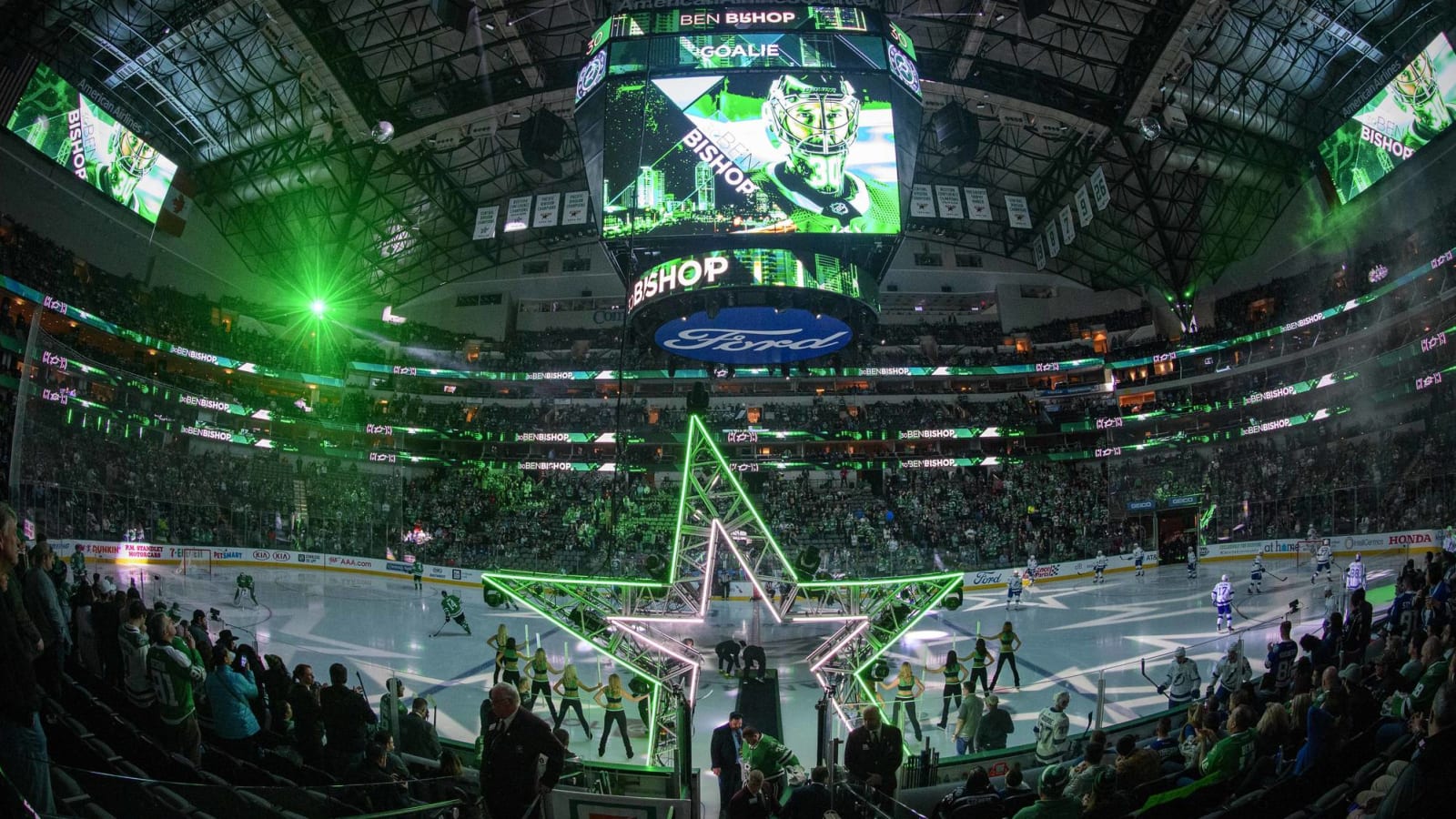
Moving to a dedicated venue allows a team to optimize every square inch of the facility for their specific sport. For the NHL, this means specialized ice maintenance and locker room configurations that don’t have to be compromised for NBA requirements. More importantly, it eliminates the legal friction that arises when two separate corporate giants try to manage one building.
From Dead Malls to Dynamic Districts: The Rise of Mixed-Use Sports Hubs
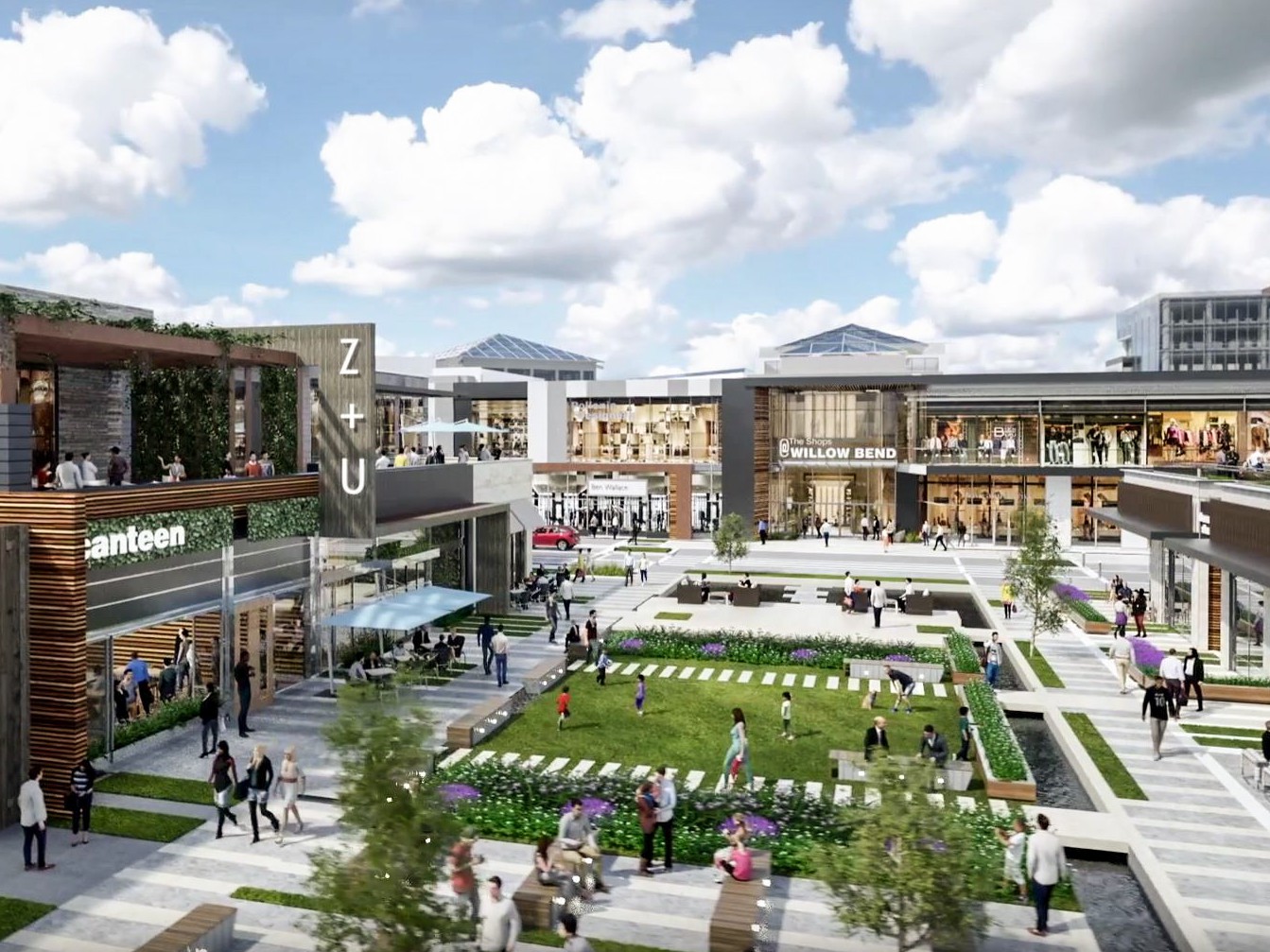
The plan to integrate a new arena into the redevelopment of the former Shops at Willow Bend in Plano is a masterclass in modern urban planning. We are seeing a global trend where “dead malls”—victims of the e-commerce boom—are being reimagined as entertainment districts.
This isn’t just about a hockey rink; it’s about creating a destination. The goal is to build a 365-day-a-year ecosystem. By surrounding the arena with luxury housing, high-end dining, and retail, the team captures revenue every single day, not just on game nights.
Take, for example, The Battery Atlanta surrounding the Braves’ stadium. It has transformed a sports venue into a neighborhood where people live, work, and play. By mimicking this model, teams can insulate themselves from the volatility of on-field performance by relying on steady real estate dividends.
The Suburban Pivot: Why the City centre is No Longer the Only Option
For years, the mantra was “stay downtown.” However, the move toward Plano suggests a strategic shift toward the suburbs. As wealth and population centers migrate outward, teams are following their most affluent season-ticket holders.
Suburban venues often offer something downtown cores cannot: ample parking, easier accessibility, and the ability to build “from the ground up” without the constraints of ancient city zoning laws or congested traffic grids.
This trend is mirrored across various leagues. Teams are realizing that by positioning themselves in high-growth suburbs, they can capture a family-oriented demographic that finds the downtown experience too stressful or expensive.
Key Drivers of Suburban Relocation:
- Lower Land Costs: Larger parcels allow for expansive training facilities and practise rinks.
- Direct Access: Reduced commute times for the core fan base.
- Control: Greater autonomy over the surrounding land and development rights.
The Future of Fan Engagement: Technology and Hyper-Personalization
A new arena isn’t just about the bricks and mortar; it’s about the digital layer. Future venues are being designed as “Smart Stadiums.” We can expect the next generation of arenas to feature seamless biometric entry, AI-driven concession ordering to eliminate lines, and augmented reality (AR) overlays for fans in the stands.
By owning their own building, teams can implement these technologies without needing approval from a partner team or a third-party landlord. This allows for hyper-personalized marketing, where a fan’s mobile app knows exactly when they enter the building and can offer them a discount on their favourite beverage in real-time.
For more insights on how sports impact urban growth, check out our guide on the economics of stadium funding or explore Forbes Real Estate for global trends in commercial development.
Frequently Asked Questions
Why do sports teams prefer dedicated arenas over shared ones?
Dedicated arenas provide total control over scheduling, branding, and revenue streams, while eliminating the legal and operational conflicts that arise when two different teams share one facility.
What is a “Mixed-Use Entertainment District”?
It is a development that combines a sports venue with residential apartments, offices, restaurants, and retail shops, ensuring the area remains active and profitable every day of the year.
Does moving to the suburbs hurt a team’s brand?
While some argue it removes the “city heart” feel, the tradeoff is often higher convenience for fans and significantly higher profit margins through real estate ownership.
What do you think?
Should professional teams stick to the city centre, or is the move to suburban entertainment hubs the future of sports? Let us know your thoughts in the comments below!