
Decoding VSP: The Link Between Cell Signaling and Cancer Metastasis
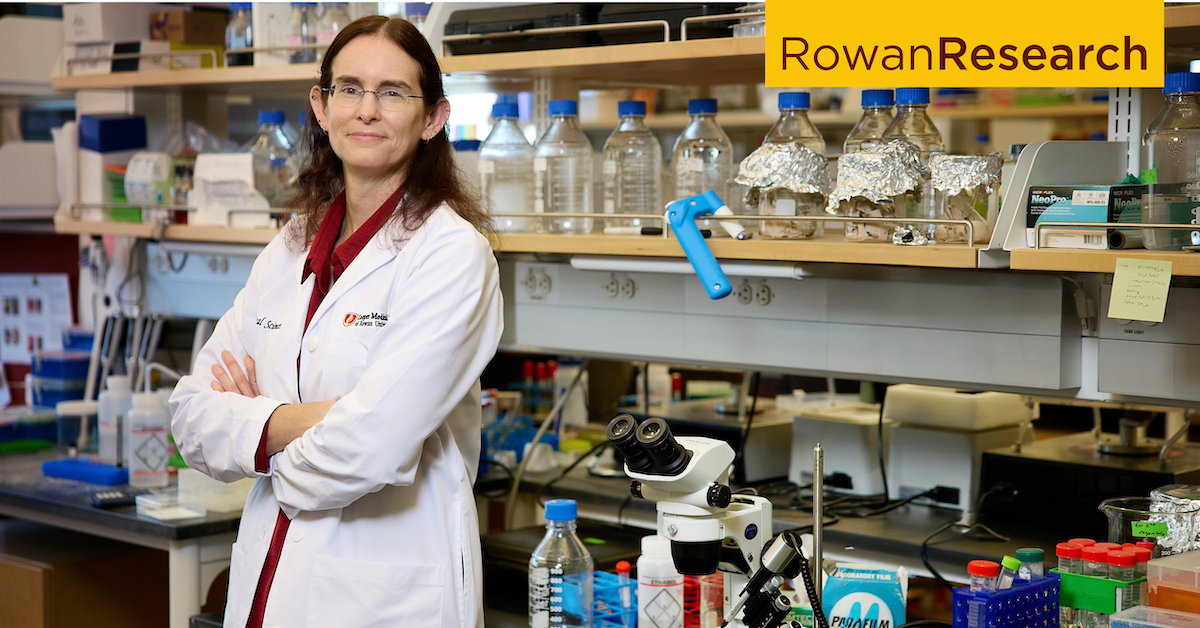
Susy Kohout, Ph.D., an associate professor at Cooper Medical School of Rowan University, is researching voltage-sensing phosphatase (VSP) to determine how cells bridge electrical and chemical signaling. Funded by the National Science Foundation (NSF), this research may reveal how VSP influences cancer metastasis, specifically within melanoma and breast cancer.
Why does the VSP protein matter for human health?
VSP is a unique protein discovered more than two decades ago that reads electrical signals and subsequently changes a cell’s chemistry. According to Kohout, all cells use both chemical and electrical signaling, but VSP is distinct because it bridges both pathways simultaneously.

Kohout, a 2025 Fellow of the American Association for the Advancement of Science (AAAS), describes the protein as “wacky” because it connects two pathways scientists previously did not think interacted. This mechanism is central to the study of how cells function across the human body, including organs like the pancreas.
How could this research impact cancer treatment?
The research focuses on a theory that VSP is involved in electrotaxis, which is the process of cells moving along an electrical field. Kohout suggests that if VSP is linked to cell migration, it could have direct implications for cancer metastasis.
Metastasis occurs when cancer cells spread from an original tumor site to other parts of the body. To test this theory, Kohout and her lab members are collaborating with researchers at the Camden Cancer Research Center. They are specifically studying VSP in relation to breast cancer and melanoma.
What may happen next in VSP research?
Researchers are likely to continue testing the connection between VSP and electrotaxis to confirm its role in cell migration. While Kohout identifies cancer as the most immediate health implication, she states there may be many other possibilities for the research.

The ongoing work is supported by the National Science Foundation under Award No. 2310489. Future findings could potentially expand the understanding of how electrical signaling affects various cellular functions across different organ systems.
Frequently Asked Questions
What is voltage-sensing phosphatase (VSP)?
VSP is a protein that reads electrical signals and changes a cell’s chemistry, bridging electrical and chemical cell signaling.
Which organizations are involved in this research?
The research is conducted by Susy Kohout at Cooper Medical School of Rowan University, funded by the National Science Foundation (NSF), and involves collaboration with the Camden Cancer Research Center.
What is the connection between VSP and cancer?
Kohout’s theory suggests VSP is involved in electrotaxis (cell movement along an electrical field), which may play a role in cancer metastasis, specifically in breast cancer and melanoma.
Do you believe electrical signaling research will lead to new breakthroughs in treating metastatic cancer?