
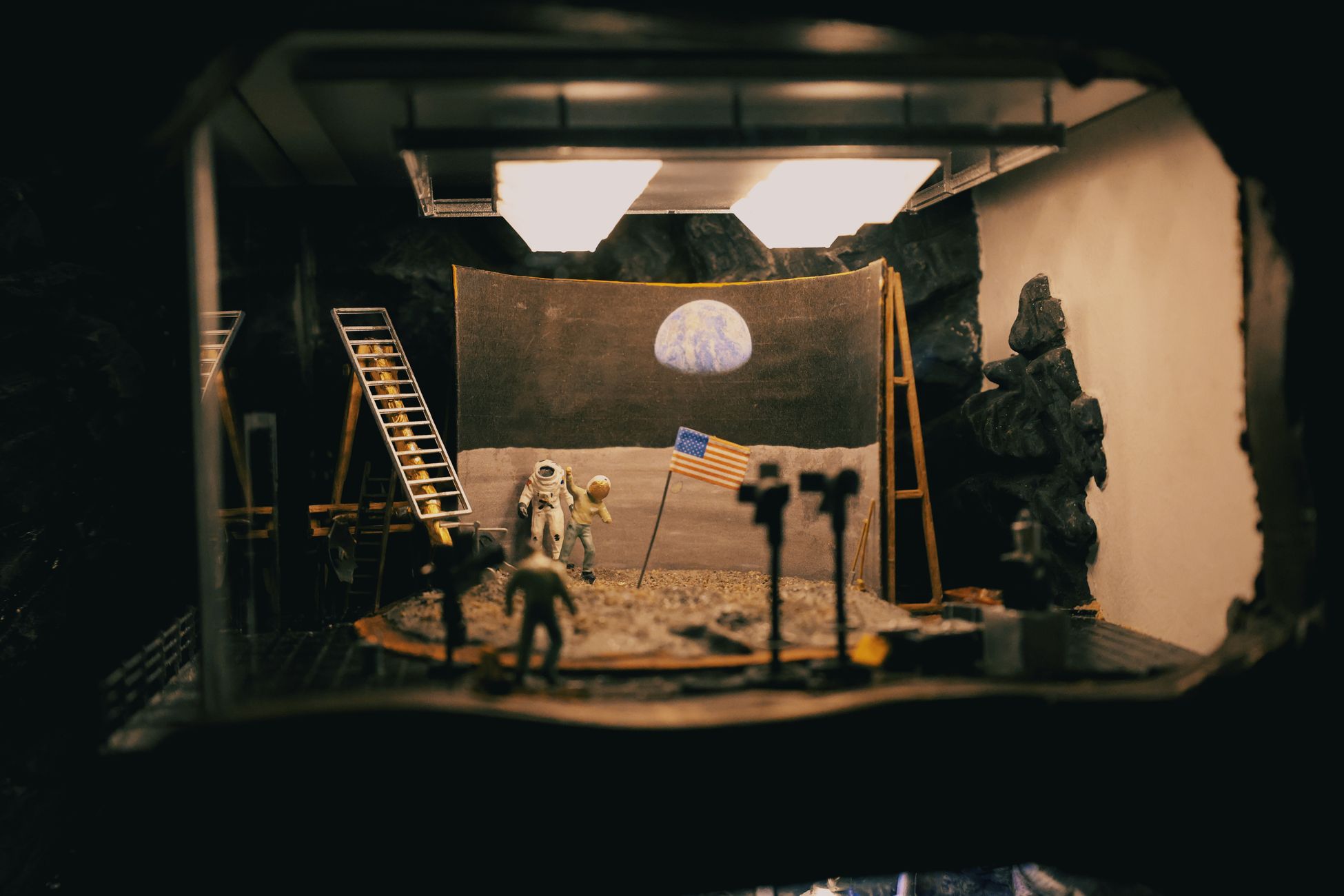
Dennis Hope has been selling acres of the moon for about $20 each since 1980, reportedly moving over 2.5 million parcels – every deed voided by a treaty he claims says nothing about private citizens
Space ownership is governed by the 1967 Outer Space Treaty, which prohibits “national appropriation” of celestial bodies. While private individuals like Dennis Hope have sold millions of novelty lunar deeds, international lawyers and the UN Office for Outer Space Affairs maintain these claims are unenforceable because states cannot recognize titles they are forbidden from owning.
Why can’t you legally own land on the Moon?
Article II of the 1967 Outer Space Treaty explicitly forbids any nation from claiming sovereignty over the Moon or other celestial bodies. This treaty, signed by the United States, the Soviet Union, and over 100 other nations, prevents “national appropriation” through use, occupation, or any other means.

Dennis Hope, founder of the Lunar Embassy, argues this language only applies to governments. He filed a claim of ownership over the Moon and other solid bodies in the solar system in 1980, claiming a loophole exists for private citizens. He sent these claims to the United Nations and the U.S. and Soviet governments.
International lawyers disagree. According to the standard legal reading, the prohibition on national appropriation flows down to private citizens. A state cannot grant a legal title to land it is forbidden from claiming itself. If Washington cannot own the Moon, it cannot recognize Hope’s deed as a legal instrument.
How do novelty lunar deeds compare to international space law?
There is a sharp divide between the “symbolic ownership” sold by the Lunar Embassy and the legal frameworks established by global powers. Hope sells acres for roughly $24.99, providing a parchment certificate and a “Lunar Bill of Sale.”

The 1979 Moon Agreement attempted to close loopholes by declaring lunar resources the “common heritage of mankind.” However, this agreement lacks the weight of the 1967 treaty because none of the major spacefaring nations ratified it. Hope often cites this lack of ratification to suggest the legal door remains open.
Most legal experts view the 1979 agreement as irrelevant. They argue the 1967 treaty alone is sufficient to void any private land claim. The difference is one of perception: Hope treats the Moon like the 19th-century American West, where the Homestead Act rewarded those who simply occupied the land.
What happens when private companies start mining space resources?
The legal landscape is shifting from “owning land” to “owning materials.” While the 1967 treaty bans owning the Moon, it is silent on the extraction of resources. This distinction creates a path for commercial exploitation.
The U.S. Commercial Space Launch Competitiveness Act of 2015 explicitly grants American companies the right to own and sell materials they mine in space. Luxembourg followed with similar legislation in 2017. These laws allow a company to own the water ice or minerals they extract, even if they cannot own the crater they mined it from.
This creates a conflict for novelty deed holders. Mining rights will likely be granted to entities with the actual spacecraft and equipment to perform the work. A framed certificate from the Lunar Embassy offers no legal standing against a company operating under the 2015 U.S. Act.
The psychology of the lunar land market
The success of the Lunar Embassy relies on psychological ownership rather than legal title. Researchers note that people often develop attachments to territories they have only symbolically claimed. The ritual of buying a deed—a “magical thinking” exercise—provides a story to tell rather than a financial asset.
For some, the purchase is a hedge. Hope pitches his deeds as a stake in an unwritten future, suggesting the law may eventually catch up to his marketplace. For most, it is a novelty gift, costing about the same as a dinner for two.
Frequently Asked Questions
Can I legally sell land on the Moon?
No. Under the 1967 Outer Space Treaty, no individual or nation can claim sovereignty over celestial bodies. Any “deeds” sold are novelty items with no legal standing in any Earth court.

Is the 1967 Outer Space Treaty still in effect?
Yes. It remains the primary framework for international space law and is signed by the world’s major spacefaring nations.
Who actually owns the Moon?
Legally, nobody. It is considered the province of all mankind, meaning it cannot be owned by any single person, company, or country.
Can companies mine the Moon if they don’t own it?
Yes, according to laws passed by the U.S. in 2015 and Luxembourg in 2017, companies can own the resources they extract from the lunar surface, despite not owning the land itself.
Will the “land grab” move from paper to reality?
As SpaceX and Blue Origin push closer to permanent lunar bases, the line between “resource extraction” and “occupation” will blur. Do you think the 1967 treaty will survive the first lunar colony?
Join the conversation in the comments below or subscribe to our newsletter for more updates on the new space race.