

Denver Zoo welcomes healthy baby orangutan
A New Hope for Critically Endangered Species: Why Captive Breeding Matters
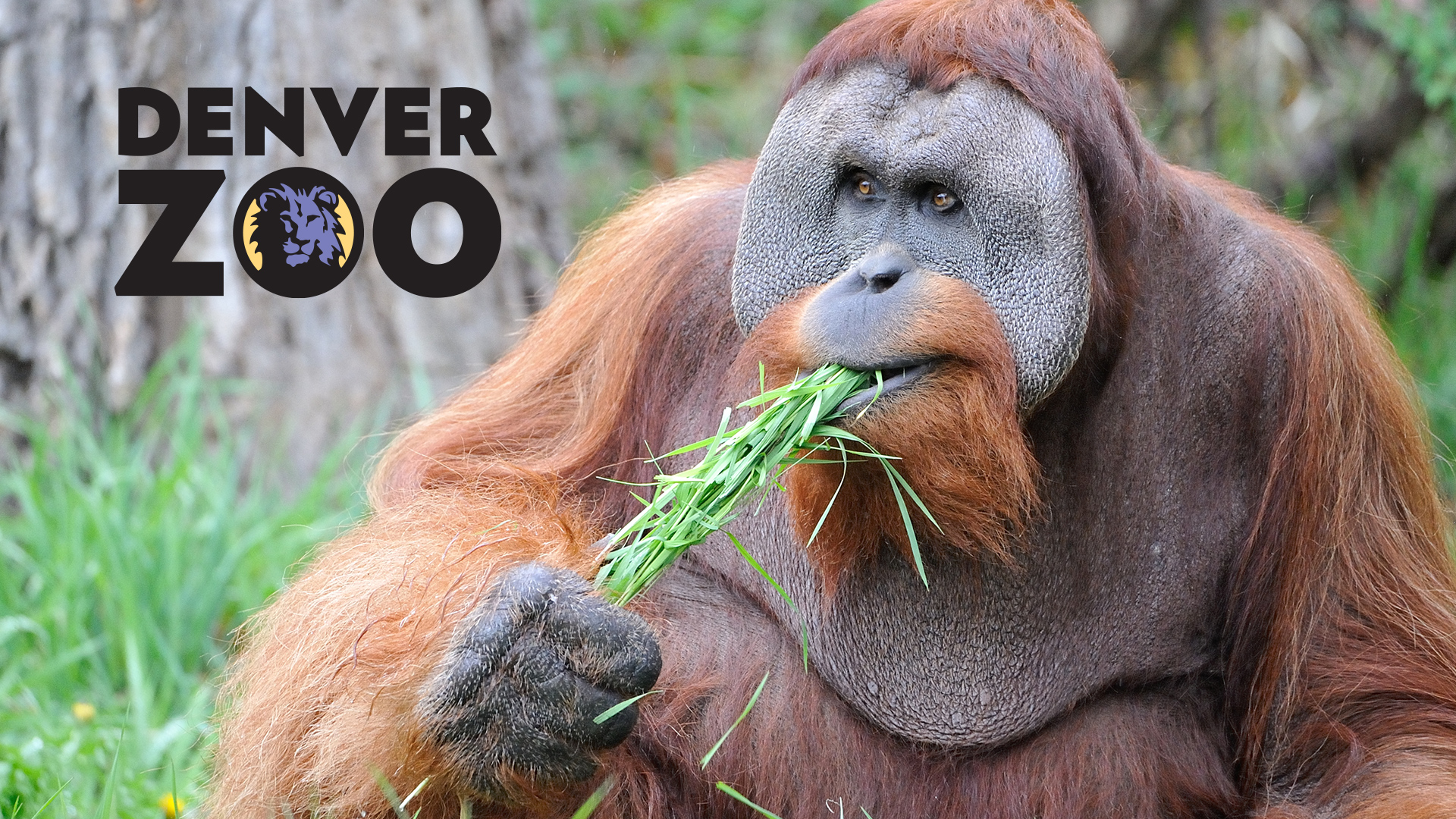
The arrival of a healthy male Sumatran orangutan at the Denver Zoo Conservation Alliance is more than just a heartwarming story—it is a significant win for global conservation efforts. With fewer than 14,000 Sumatran orangutans left in the wild, every birth represents a crucial step toward preventing the extinction of this iconic primate.
As habitat loss continues to threaten species across the globe, the role of accredited zoos has shifted. They are no longer just places for public display; they are critical “genetic banks” and research hubs designed to ensure the survival of species that may otherwise vanish.
Sumatran orangutans are among the most intelligent primates on Earth. They are known for their complex tool use and long-term social bonds, making the success of first-time mothers like Hesty vital for the species’ behavioral development.
The Evolution of Modern Zoo Conservation
Modern conservation relies on high-tech monitoring and behavioral training. In the case of Hesty, keepers spent months using positive reinforcement to prepare her for motherhood. This approach—training animals to participate in their own healthcare—is becoming the industry standard.
By teaching animals to cooperate with medical check-ups or even voluntary ultrasounds, zoos reduce the need for anesthesia, which is risky for primates. This shift toward “cooperative care” is a major trend in Association of Zoos and Aquariums (AZA) facilities, ensuring that endangered animals live longer, less stressful lives.
Data-Driven Breeding Programs
The success of the Denver Zoo’s program is part of a broader Species Survival Plan (SSP). These programs use complex algorithms to manage the genetic diversity of captive populations. By tracking lineage and health markers, researchers can make informed decisions on which pairings will provide the best outcome for the species’ long-term survival.
Why First-Time Mothers Need Support
In the wild, young orangutans learn parenting skills by observing other females. In captivity, this “social learning” can sometimes be interrupted. When a mother like Hesty shows natural instincts without needing human intervention, it is considered a gold standard for conservationists.
If you are interested in wildlife conservation, follow the IUCN Red List. It provides the most comprehensive data on the conservation status of species worldwide, helping you understand which animals currently need the most protection.
Looking Ahead: The Future of Orangutan Conservation
The future of orangutan conservation lies in the intersection of captive breeding and habitat protection. While zoos provide a safety net, the ultimate goal is to maintain healthy, genetically diverse populations that could one day support reintroduction efforts, or at the very least, serve as a permanent educational bridge to the public.

As technology advances, we can expect to see:
- Enhanced Genetic Mapping: Using DNA sequencing to optimize breeding pairs.
- Remote Habitat Monitoring: Using AI and drone technology to protect wild orangutans in Sumatra from illegal poaching, and logging.
- Increased Public Engagement: Interactive naming contests and educational content that turn zoo visitors into active conservation advocates.
Frequently Asked Questions
- Why are Sumatran orangutans critically endangered?
- They are primarily threatened by rapid deforestation, particularly for palm oil plantations, as well as illegal pet trade and hunting.
- How do zoos decide which orangutans breed?
- Zoos participate in Species Survival Plans (SSPs), which prioritize genetic diversity to prevent inbreeding and ensure the population remains robust.
- Can captive orangutans ever be released into the wild?
- Reintroduction is extremely difficult and requires animals to have specific survival skills. Currently, the focus is on protecting existing wild habitats while maintaining a healthy captive “insurance” population.
What do you think? Should zoos focus more on breeding for reintroduction or on public education? Share your thoughts in the comments below, or subscribe to our newsletter for more updates on wildlife conservation success stories.