
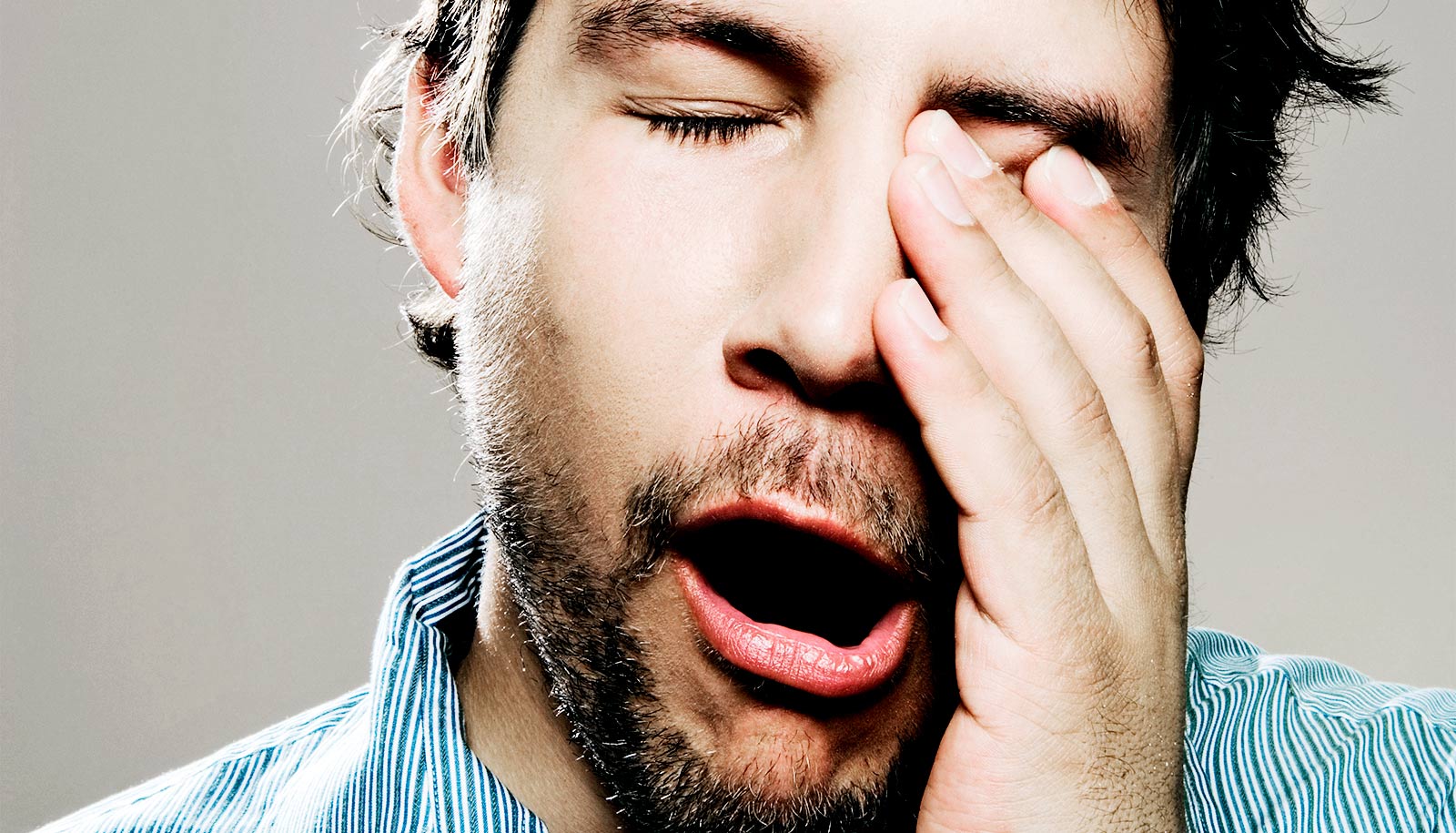
Detecting Sleep Deprivation Through Saliva: A New Safety Breakthrough
Researchers at the University of Zurich have identified 10 biomarkers in saliva that can objectively detect acute sleep deprivation. According to the study published in the Journal of Proteome Research, this method uses high-resolution mass spectrometry and machine learning to identify metabolic changes, potentially leading to rapid on-site fatigue tests for road and workplace safety.
How do researchers detect sleep loss in saliva?
A research team from the University of Zurich’s Institute of Forensic Medicine and the Institute of Pharmacology and Toxicology analyzed the saliva of 20 healthy young men. These participants typically sleep seven to nine hours a night.

The team tested three specific conditions: one night of total sleep deprivation, four consecutive nights of six hours of sleep, and a control group sleeping eight hours. First author Michael Scholz reported that acute sleep deprivation affects roughly 10% of all biomolecules in saliva.
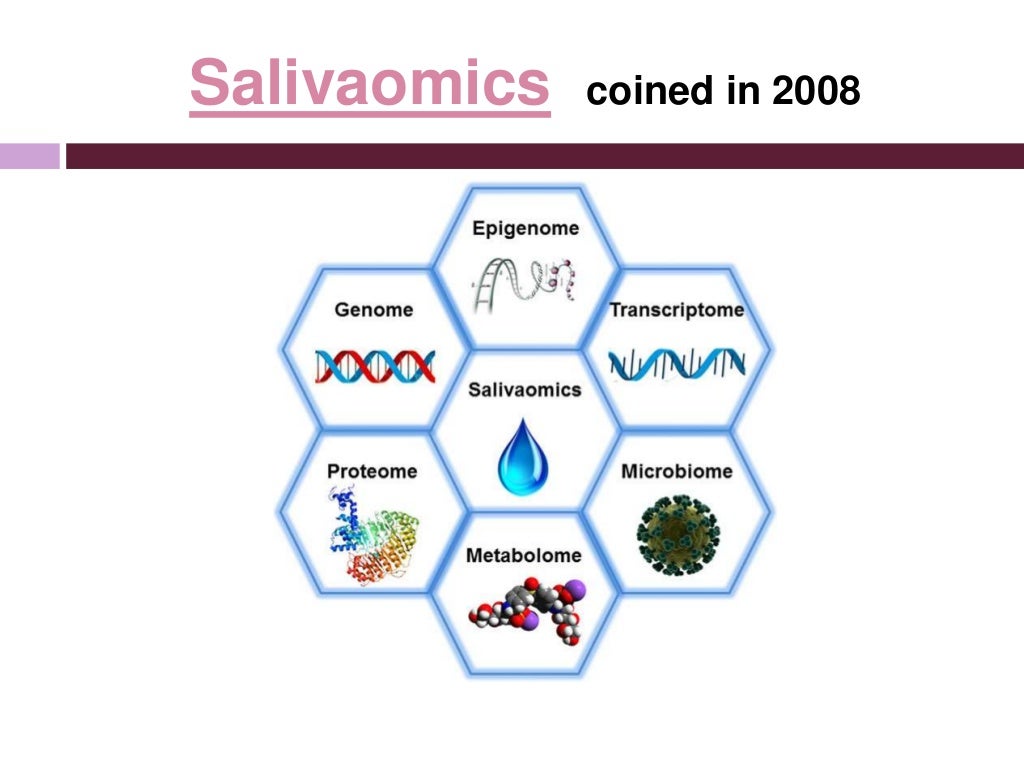
By using machine learning and high-resolution mass spectrometry, the researchers isolated 10 biomarkers that reliably indicate fatigue. This marks the first time sleep loss has been measured directly and objectively in bodily fluids under realistic conditions, according to Professor Thomas Krämer.
Why does this discovery matter for public safety?
Current methods for measuring sleep loss often lack objectivity. Thomas Krämer, professor of forensic pharmacology and toxicology, called the identification of these biomarkers a “milestone for forensic research.”
The ability to objectively detect fatigue could lead to the creation of rapid, on-site tests. Michael Scholz stated such tools could improve road safety and enhance security in professional environments where concentration and attention are critical.
What happens next in sleep deprivation research?
The project is moving into a large-scale international field study to validate the patented biomarker set. Researchers may investigate if the method remains reliable when other variables are present.
These variables could include the effects of alcohol, medications, and the demands of shift work. This next phase is intended to determine if the biomarkers can consistently detect sleep deprivation in diverse, everyday situations.
Frequently Asked Questions
How many biomarkers were identified to indicate fatigue?
Researchers identified 10 biomarkers among tens of thousands of molecules in saliva.
Who participated in the University of Zurich study?
The study examined 20 healthy young men who normally sleep between seven and nine hours.
What technology was used to analyze the saliva samples?
The team used high-resolution mass spectrometry combined with machine-learning methods.
Do you think objective fatigue testing should be mandatory for certain high-risk professions?