
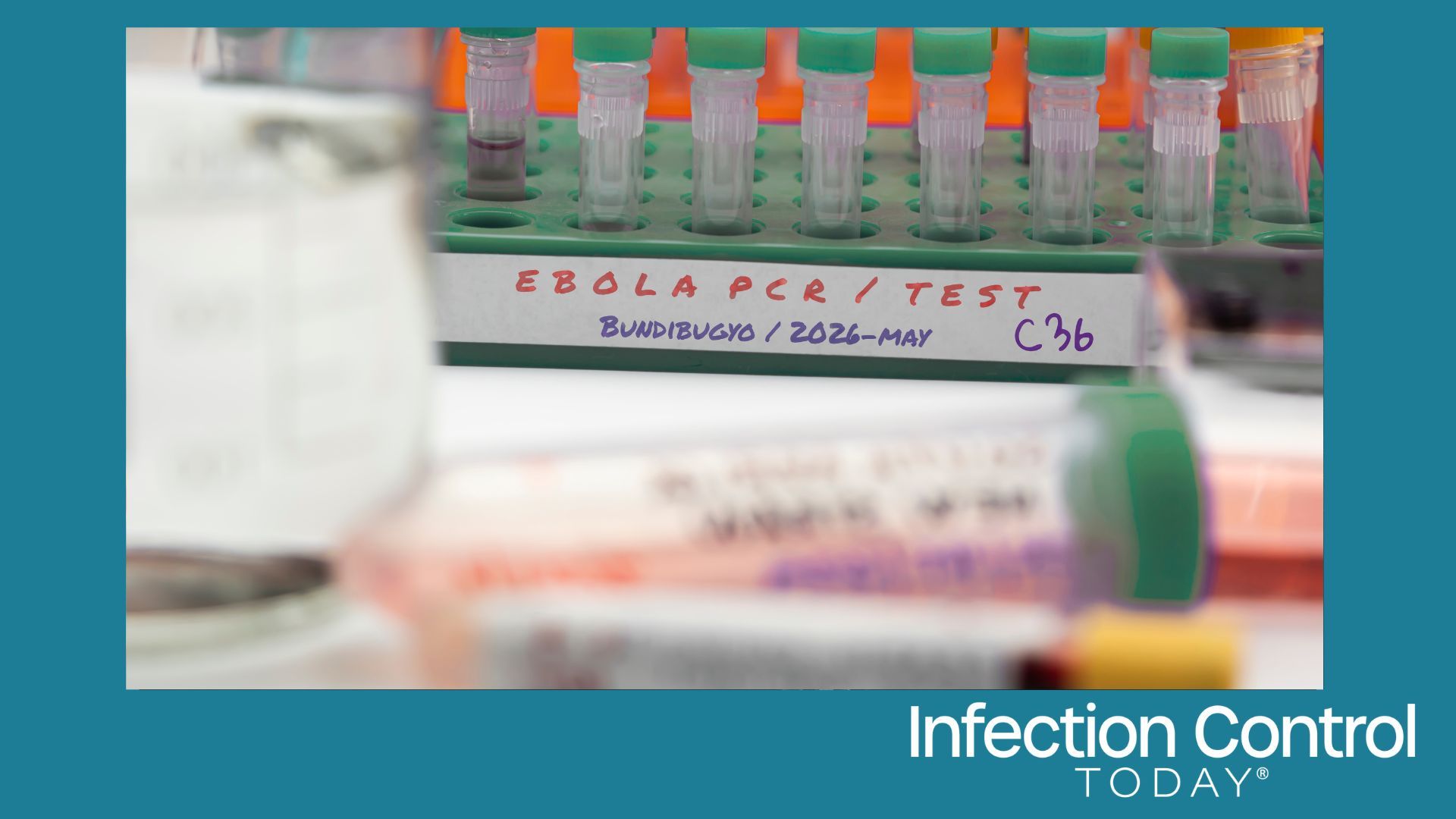
Diagnostics Take Center Stage in Ebola Response as Rare Bundibugyo Outbreak Expands
The ongoing Ebola outbreak in the Democratic Republic of Congo (DRC) and Uganda is drawing global attention due to its rising case count and the presence of the rare Bundibugyo strain. Because this specific strain lacks approved vaccines and targeted therapeutics, public health officials are prioritizing rapid diagnostic testing to identify, isolate, and treat infected individuals to prevent further spread.
Did You Know? The Bundibugyo strain is remarkably rare; the current situation marks only the third time this specific strain has been identified in an outbreak, contrasting with the more common Zaire strain often seen in previous years.
Why the Bundibugyo Strain Complicates Response
The primary challenge in managing this outbreak is the lack of pharmaceutical interventions tailored to the Bundibugyo strain. Most existing Ebola vaccines and treatments were developed specifically for the Zaire strain, leaving a gap in the current medical arsenal. According to Matt Scullion, vice president of business development at BioFire Defense, this reality makes precise diagnostic identification the most critical intervention available to contain the virus.
Without the ability to rely on vaccines or specific treatments, contact tracing and the isolation of patients become the primary defenses. Misidentification poses a severe risk to healthcare systems, as patients suffering from other common tropical illnesses—such as malaria, dengue, or chikungunya—could be mistakenly placed in quarantine with Ebola patients, inadvertently exposing them to the virus.
The Role of Diagnostic Technology
To address these diagnostic challenges, tools like the BioFire Global Fever Special Pathogens Panel are being utilized to distinguish between various illnesses. The panel is designed to test for 16 different pathogens, including five strains of Ebola and several strains of malaria, using venous whole blood. Results are available in 45 to 60 minutes, allowing clinicians to make rapid, informed decisions.
BioFire Defense is currently working directly with ministries of health in the DRC, Uganda, and Rwanda to position these testing resources in areas where they can be most effective. By providing the ability to simultaneously evaluate multiple diseases, the technology helps ensure that patients receive appropriate care while minimizing the risk of cross-contamination in clinical settings.
What May Happen Next
As the outbreak evolves, the continued deployment of rapid diagnostics is likely to remain the most important tool for health officials. If diagnostic resources are successfully positioned in affected regions, it may allow for more efficient containment and reduce the risk of misdiagnosis-related transmissions. Analysts expect that the integration of these high-consequence pathogen panels into local health networks will provide a clearer picture of the spread, potentially preventing the strain from reaching the scale of larger, historically documented outbreaks.
Frequently Asked Questions
Why is the current Ebola outbreak in the DRC and Uganda particularly challenging?
The outbreak is caused by the rare Bundibugyo strain, for which no approved vaccines or targeted treatments currently exist.

Why is early diagnostic testing considered the primary defense against this outbreak?
Because there are no specific pharmaceutical interventions, identifying and isolating infected individuals is the only way to stop the spread. Rapid testing also prevents the misidentification of patients with other diseases like malaria, which could lead to accidental exposure to Ebola.
How does the current diagnostic infrastructure compare to the 2014 outbreak?
According to Matt Scullion, preparedness is substantially better today than it was a decade ago. There is now a more robust network of labs, including the CDC’s Laboratory Response Network and the RESPECT lab network, which are better equipped to handle high-consequence pathogens.
How do you believe the integration of advanced diagnostic tools will change the future of global outbreak management?