
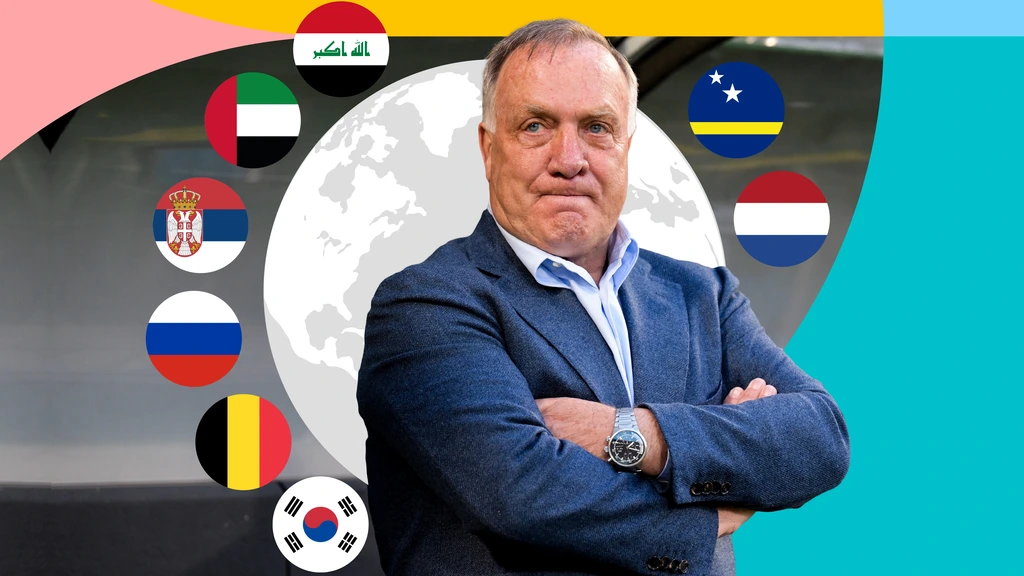
Dick Advocaat: The Eternal Drive of Football’s Oldest World Cup Coach
Dick Advocaat, the 78-year-old veteran manager, begins his tenure as head coach of Curaçao with a match against Germany tonight at 19:00. This campaign marks a milestone in football history, as Advocaat becomes the oldest head coach to ever lead a team at a World Cup tournament, according to reports from the Dutch national broadcaster NOS.
A Career Defined by Adrenaline
Advocaat’s decision to accept the Curaçao position follows a long pattern of short-lived retirements. Despite previously stating he would step away from the game—most notably following his departure from Sparta Rotterdam in 2018—the veteran coach has consistently returned to the sidelines. According to his long-time friend Aad de Mos, Advocaat struggles to function without the pressures of professional football, noting that the coach does not smoke or drink and relies on the sport’s intensity to manage his energy.
Former assistant Zeljko Petrovic confirms this professional restlessness, suggesting that Advocaat’s commitment to the sport is absolute. Petrovic recalls that even when unemployed, Advocaat remains glued to his phone, monitoring leagues ranging from the English Premier League to the Japanese J1 League. For Advocaat, the football pitch serves as a necessary outlet, a sentiment he maintains even as he approaches his eighth decade.
Did You Know? Dick Advocaat’s football obsession began in his youth. Alongside friend Aad de Mos, he spent his early years training at 6:00 a.m. under coach Bert Jacobs, even sleeping on the fields where they worked to maintain the grass and lines.
Beyond the “Little General” Persona
While often labeled the “Little General” due to his stern and sometimes demanding nature on the touchline, those close to him describe a different man. Petrovic, who worked with Advocaat at clubs including Sunderland and Feyenoord, describes him as remarkably soft-hearted, particularly regarding music and the people he mentors. Despite his reputation for being driven by finances—a trait that earned him the nickname “Dagobert Dick”—associates argue this overlooks his private generosity.
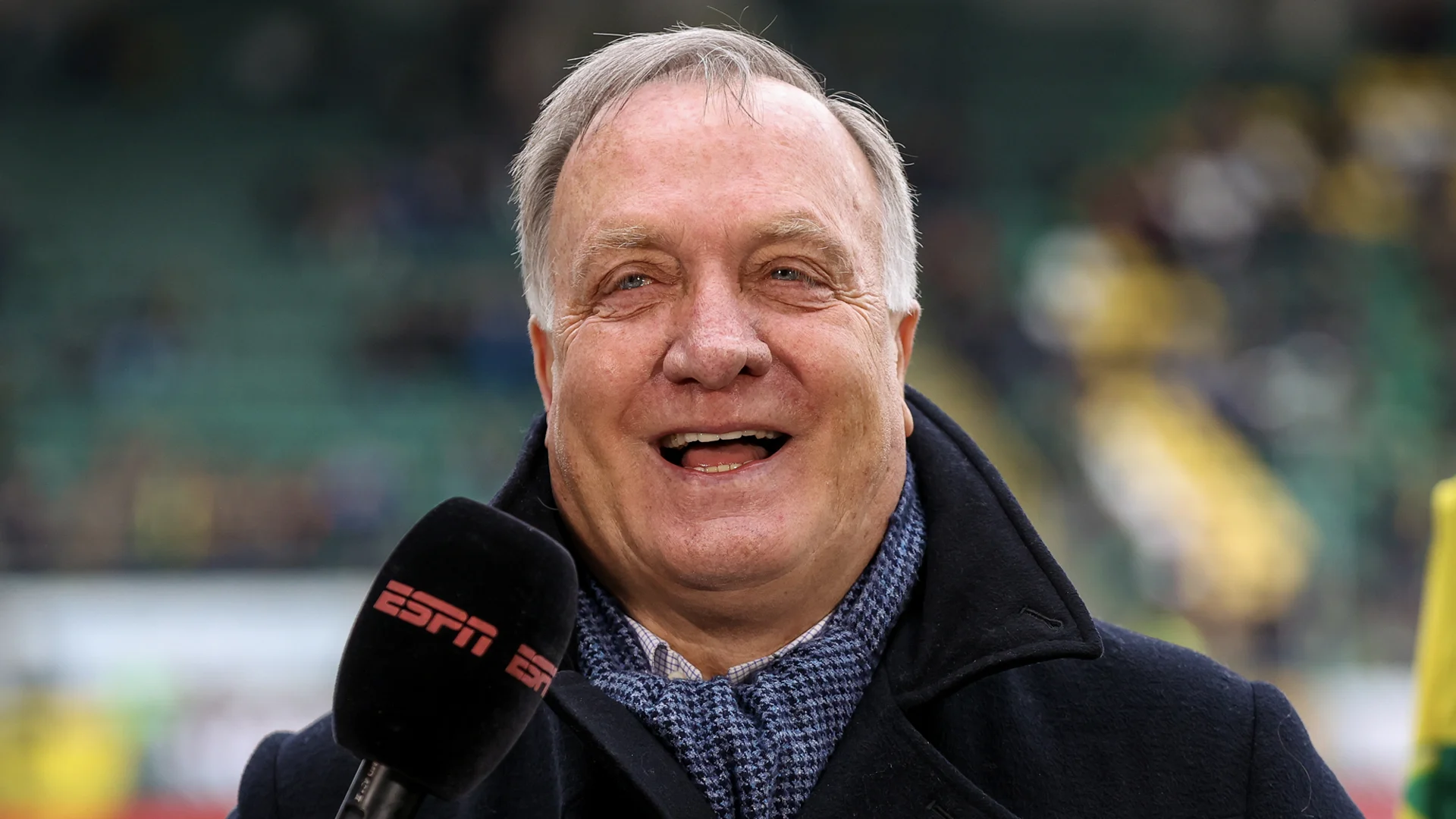
Petrovic notes that Advocaat frequently covers restaurant bills and provides financial support to young talents and charitable causes. This contrast between his public image as a high-earning, pragmatic manager and his private character remains a defining feature of his career. He has previously acknowledged the “money-chasing” image attached to his name, admitting he often moved between high-profile roles for significant salary increases.
Expert Insight: The stakes for Advocaat’s current role with Curaçao extend beyond mere competition. His career has been characterized by a fear of stagnation and a deep-seated anxiety regarding mortality. By continuing to manage at 78, he effectively uses the daily demands of the sport to stay active, suggesting that his retirement remains a moving target rather than a fixed date.
What Happens Next
The immediate future for Advocaat centers on the World Cup performance of Curaçao. While he has publicly labeled this his “last job,” his history of returning to management makes his long-term retirement uncertain. Analysts and close associates, including Aad de Mos, remain skeptical that he will leave the game for good. Should the Curaçao project conclude, it is likely that Advocaat will continue to seek opportunities that provide the adrenaline he feels is essential to his well-being.

Frequently Asked Questions
Is this officially the last coaching job for Dick Advocaat?
While Advocaat has characterized the Curaçao position as his final role, his long-time friend Aad de Mos has publicly expressed doubt, noting that Advocaat has frequently claimed to be retired in the past only to return to coaching shortly thereafter.

Why is Advocaat often referred to as “Dagobert Dick”?
The nickname refers to his reputation for being motivated by high salaries and his tendency to leave coaching positions if a more lucrative offer arises, a reputation Advocaat himself has acknowledged.
What drives Advocaat to keep coaching at 78?
According to colleagues like Zeljko Petrovic and Aad de Mos, Advocaat requires the adrenaline of the football environment to function. He has also expressed a personal anxiety regarding the passage of time and the death of family members, using football to stay occupied and active.
Will the tactical discipline of the “Little General” be enough to secure a breakthrough for Curaçao on the world stage?