

Discovering Madrid: A Luxury Guide to Art, Culture, and Gastronomy
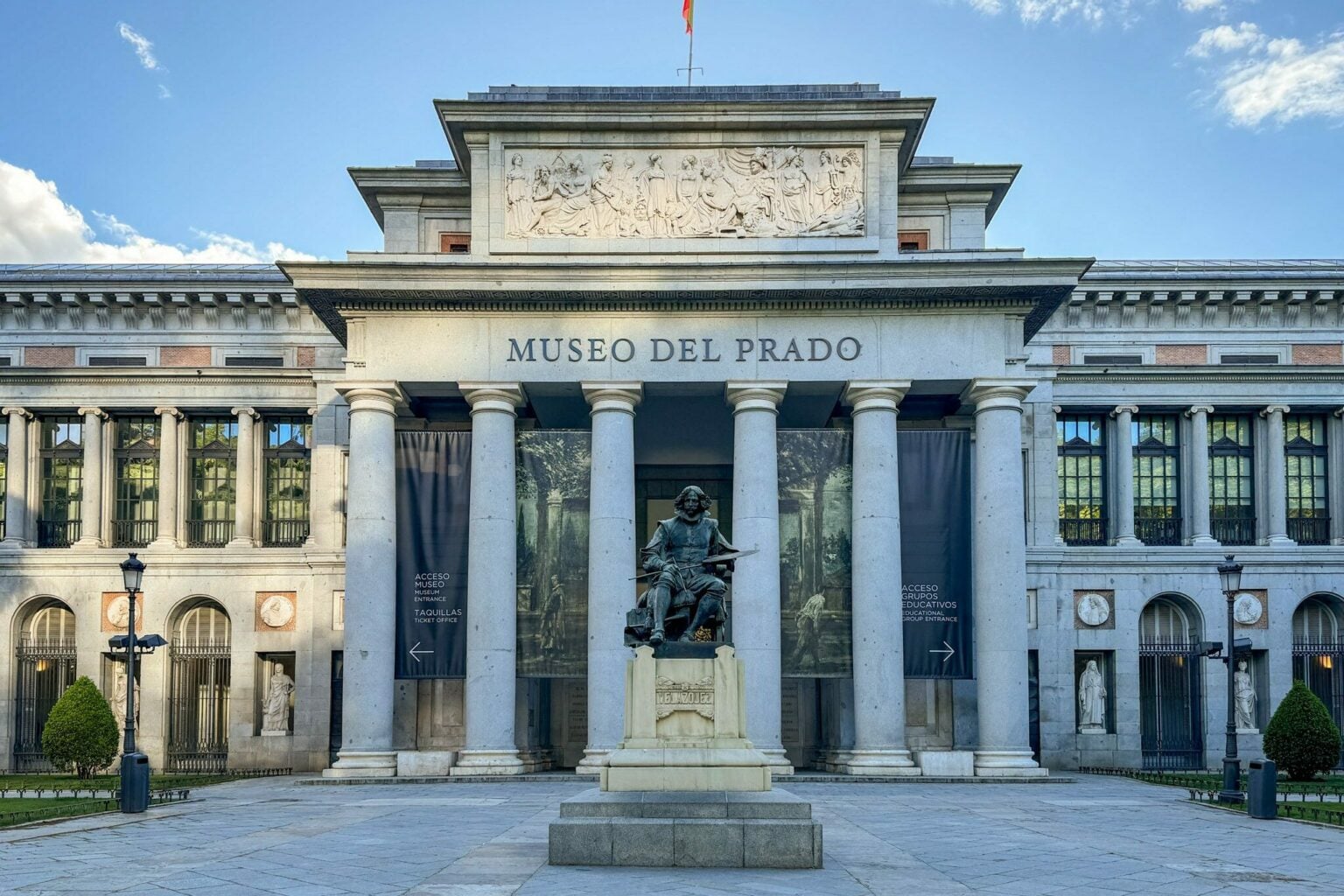
Madrid is shifting toward a model of “slow luxury” travel, where high-net-worth visitors prioritize private, curated access to cultural landmarks over traditional sightseeing. According to travel advisor Susan H. Breckenridge, the modern traveler seeks deep, immersive connections with history and local craftsmanship, facilitated by professional partnerships that provide seamless, behind-the-scenes entry to institutions like the Prado Museum.
How is the “Slow Luxury” Trend Changing Madrid Tourism?
The travel industry is moving away from rapid-fire sightseeing toward intentional, slower-paced experiences. Data from luxury travel advisors suggests that clients now favor prolonged stays that allow for authentic engagement with local culture. By bypassing public crowds through private, early-morning gallery tours, travelers gain a sense of intimacy with historical collections. This trend, as noted by Breckenridge, effectively transforms a standard museum visit into a personal conversation with history, favoring depth of knowledge over the volume of sites visited.
Why Does Cultural Gastronomy Drive Modern Travel?
Modern luxury travelers are increasingly treating dining as a primary cultural activity rather than a secondary need. The shift toward “theatrical” gastronomy, exemplified by restaurants like Paco Roncero, highlights a demand for creative interpretations of regional flavors. According to industry observations, diners value the contrast between historic, centuries-old venues like Posada de la Villa and modern, innovative kitchens. This blend of heritage and avant-garde culinary art is becoming a benchmark for high-end European destination marketing.
What Role Do Local Partnerships Play in Seamless Travel?
The success of high-end travel relies heavily on the coordination of local logistics. According to professional travel consultants, the “invisible” layer of planning—including private transfers and timed entry to historical sites—is what distinguishes a memorable trip from a standard vacation. By leveraging local expertise, travelers avoid the friction of transit and scheduling, allowing for more spontaneity. This model of concierge-led travel ensures that even in busy urban environments, the experience remains polished and effortless.
Did You Know?
The Prado Museum, located in the heart of Madrid, holds one of the world’s most significant collections of European art, with pieces dating back to the 12th century. Accessing the museum before public opening hours is a growing trend among luxury travelers seeking to avoid the city’s highest-traffic tourist windows.
Frequently Asked Questions
- What is “slow luxury” travel? It is a travel philosophy that prioritizes meaningful, unhurried engagement with local culture and history over visiting as many landmarks as possible.
- Why use a travel advisor for a city like Madrid? Advisors provide access to exclusive experiences and logistical coordination that are often unavailable to the general public.
- Is Madrid suitable for luxury travelers? Yes, the city combines world-class museums, high-end retail, and a sophisticated culinary scene that meets the requirements of discerning, culture-focused travelers.
Are you planning your next cultural escape to Spain? Subscribe to our newsletter for more expert insights on luxury travel trends, or contact our team to begin designing your next bespoke itinerary.