
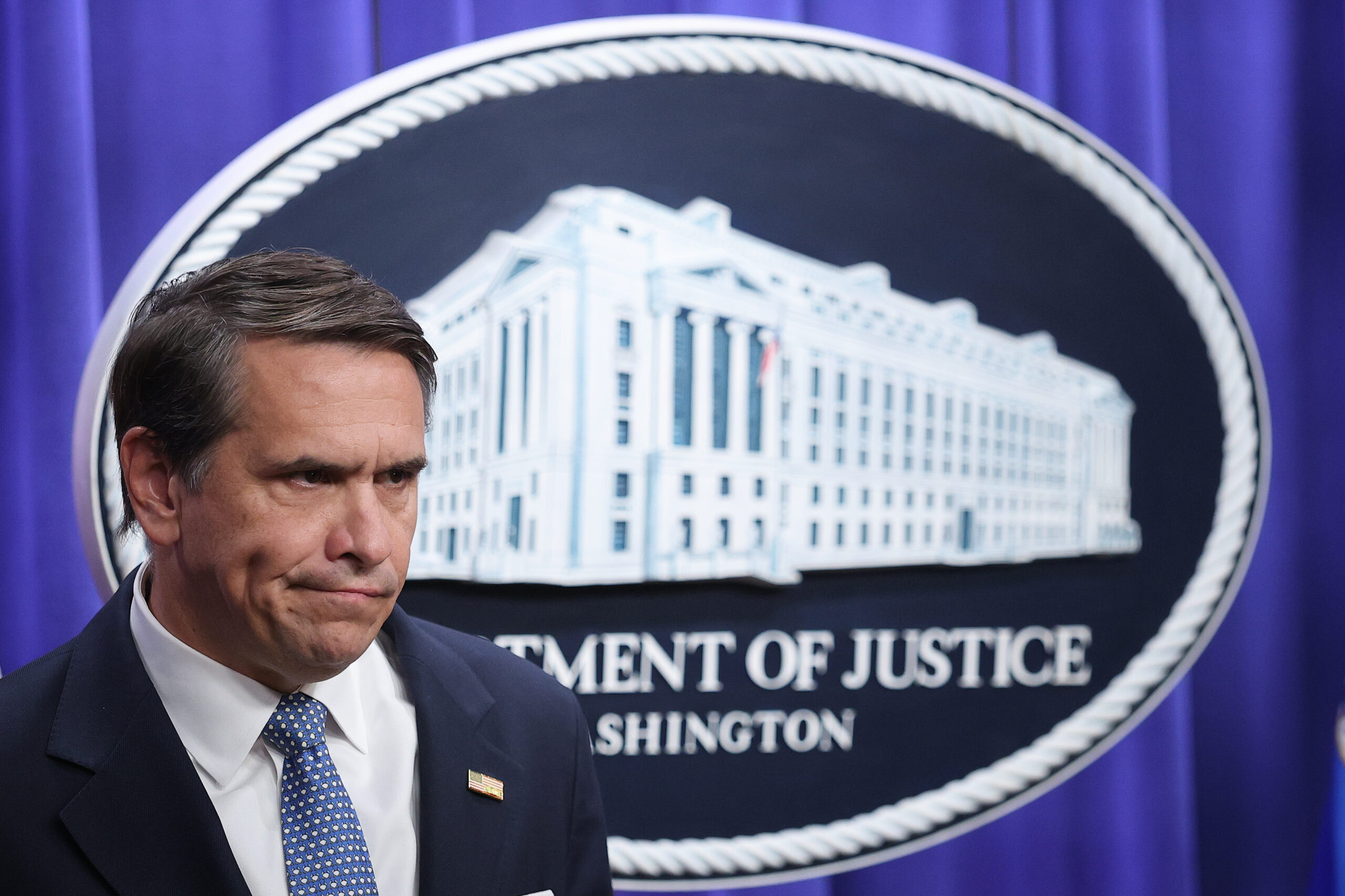
DOJ now 0-9 in voter roll cases after Trump-appointed judge tosses its Maryland demand
A federal judge has dismissed a Department of Justice (DOJ) lawsuit seeking Maryland’s unredacted statewide voter registration list, marking the ninth consecutive defeat for the department in its campaign to obtain state voter data. U.S. District Judge Stephanie Gallagher ruled Thursday that the Civil Rights Act (CRA) does not grant the federal government the legal authority to force states to produce these specific records.
Did You Know?
The nine federal court dismissals in the DOJ’s voter roll litigation have come from a diverse group of judges, including five appointees of President Donald Trump and four appointed by Democratic presidents.
Legal Basis for the Dismissal
Judge Gallagher, an appointee of President Trump, dismissed the Maryland case with prejudice, effectively barring the DOJ from refiling this specific claim. In her opinion, she rejected the department’s reliance on a recent legal memo from the Office of Legal Counsel, which had argued the CRA allowed the federal government to mandate the handover of voter lists for sharing with the Department of Homeland Security.
“This Court will not interpret the CRA contrary to its text simply because an office of the party advancing that interpretation has adopted it,” Gallagher wrote. The ruling aligns with every other federal court that has addressed the issue, reinforcing that statewide voter registration lists are not defined as records that states must produce under the act.
Context and Ongoing Litigation
The Maryland case is one of 31 lawsuits brought by the DOJ against various states and Washington, D.C. While the department has seen no federal court victories in these specific voter roll cases, the broader campaign continues. Outside of the courtroom, the department has issued demands to nearly all 50 states for access to their rolls, with at least 16 Republican-led states complying with those requests.
Expert Insight:
The consistent rejection of these lawsuits by judges across the ideological spectrum suggests a significant legal barrier for federal attempts to centralize voter data. The conflict highlights a recurring tension between federal oversight efforts and the historical authority states maintain over the administration of their own elections.
Implications for Future Election Oversight
This ruling may influence how the DOJ approaches future attempts to seize state election records. Because the cases have been dismissed on the grounds that the CRA does not provide the necessary legal force, the department may face continued challenges in court if it persists with this strategy.
Additionally, the DOJ’s broader efforts have sparked debate regarding the National Voter Registration Act’s “quiet period.” The department has argued in other cases that the federal government can force states to remove voters from rolls immediately before an election, a position that directly challenges the 90-day prohibition against systematic voter removal.
Frequently Asked Questions
Why was the DOJ lawsuit against Maryland dismissed?
Judge Stephanie Gallagher ruled that the Civil Rights Act does not grant the federal government the authority to force a state to produce its statewide, unredacted voter registration list.
How many similar lawsuits has the DOJ brought against states?
The DOJ has brought 31 lawsuits against states and Washington, D.C. regarding voter data, with the Maryland case representing the ninth dismissal.
What is the “quiet period” mentioned in the litigation?
The “quiet period” refers to a provision in the National Voter Registration Act that bars states from systematically removing voters from registration rolls within 90 days of an election.
How do you believe the balance of power between federal and state authorities should be managed regarding election data?