
New Hygon Model 8 “Suzhou” x86 CPU Support Appears In The GCC Compiler
The GNU Compiler Collection (GCC) has integrated support for the Hygon Model 8 “Suzhou” c86-4g-m8 processor, marking a new iteration in the company’s x86-compatible CPU architecture. According to official GCC source code commits, the Suzhou processor serves as the direct successor to the Model 7 “Chengdu” series, maintaining compatibility with a broad range of modern instruction sets including AVX-512.
What is the Hygon Model 8 “Suzhou” CPU?
The Hygon Model 8, internally identified as the HYGON Family 18h model 8, is the latest addition to the company’s lineup of x86-based processors. As reported by Phoronix, this new hardware targets the same market segment as its predecessor, the “Chengdu” Model 7. While public documentation regarding the new chip remains sparse, the inclusion of the “c86-4g-m8” target in the GCC 17 compiler confirms that the chip is currently in the upstreaming phase for open-source software support.
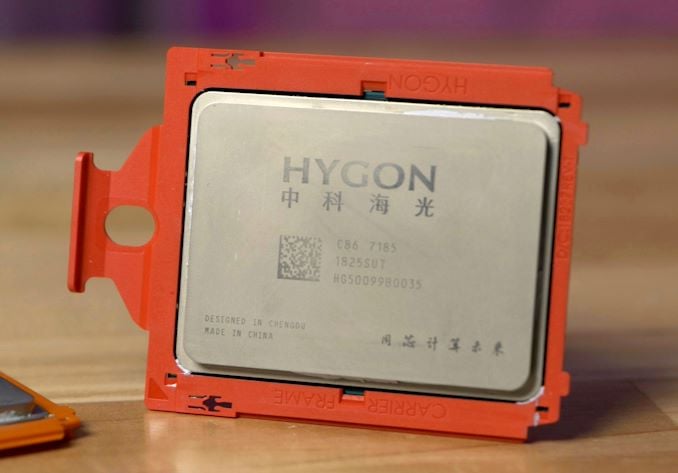
Hygon has consistently pursued upstream support for its hardware. The company previously contributed code for its earlier C86-4G-M4, M6, and M7 processors to both the GCC and LLVM/Clang compiler projects, ensuring that developers can compile code specifically for these architectures.
How does the Suzhou architecture compare to previous models?
The technical specifications for the Suzhou processor indicate an evolutionary rather than revolutionary step for the Hygon architecture. According to the GCC commit documentation, the ISA capabilities remain largely consistent with the previous Model 7. Developers can expect support for an extensive list of instruction sets, including:
- Advanced Vector Extensions: AVX-512 (F, DQ, IFMA, CD, BW, VL, BF16, VBMI, VBMI2, VPOPCNTDQ, VP2INTERSECT) and AVX-VNNI.
- Security and Utility: AES, SHA, RDRND, and RDSEED.
- Performance Optimization: CLZERO, CLFLUSHOPT, and WBNOINVD.
This wide-ranging instruction set support suggests the Model 8 is designed to handle modern enterprise workloads, particularly those requiring high-performance computing or complex vector math.
Why does upstream compiler support matter?
Upstreaming code into the GNU Compiler Collection is a critical milestone for any processor manufacturer. By integrating the “c86-4g-m8” target directly into the main GCC branch, Hygon ensures that standard Linux distributions and open-source software can natively optimize for the Suzhou chip without requiring proprietary patches. This mirrors the strategy used by major industry players to maintain ecosystem compatibility. Historically, Hygon’s commitment to LLVM/Clang and GCC has lowered the barrier to entry for developers looking to deploy these processors in server environments.
If you are developing for Hygon hardware, ensure your build environment is tracking the GCC 17 compiler branch. Using the correct target architecture flag allows the compiler to leverage specific instructions like GFNI or VPOPCNTDQ, which can significantly improve execution speed in specialized math-heavy applications.
Frequently Asked Questions
Is the Hygon Model 8 compatible with standard x86 software?
Yes. The Hygon c86-4g-m8 is an x86-64 compatible processor. Because it supports standard instruction sets like SSE, AVX, and BMI, most standard x86 software should run on the platform without modification.

When will the Hygon Suzhou processors be widely available?
While the GCC 17 support is now public, Hygon has not released a specific consumer or enterprise availability date for the Suzhou series. The appearance of compiler support usually precedes or aligns with the broader deployment of the hardware.
Where can I find the official compiler support for Hygon?
The enablement for the Model 8 is hosted in the official GCC Git repository. Developers can review the specific commit (f06c1812ae7991e4aae8a3ff9d8920c31e4a1ac9) to see how the architecture is defined in the compiler.
Are you tracking developments in the x86 ecosystem? Subscribe to our technical newsletter for the latest updates on compiler advancements and hardware architecture trends, or join the discussion in the comments section below regarding the future of specialized x86 silicon.