
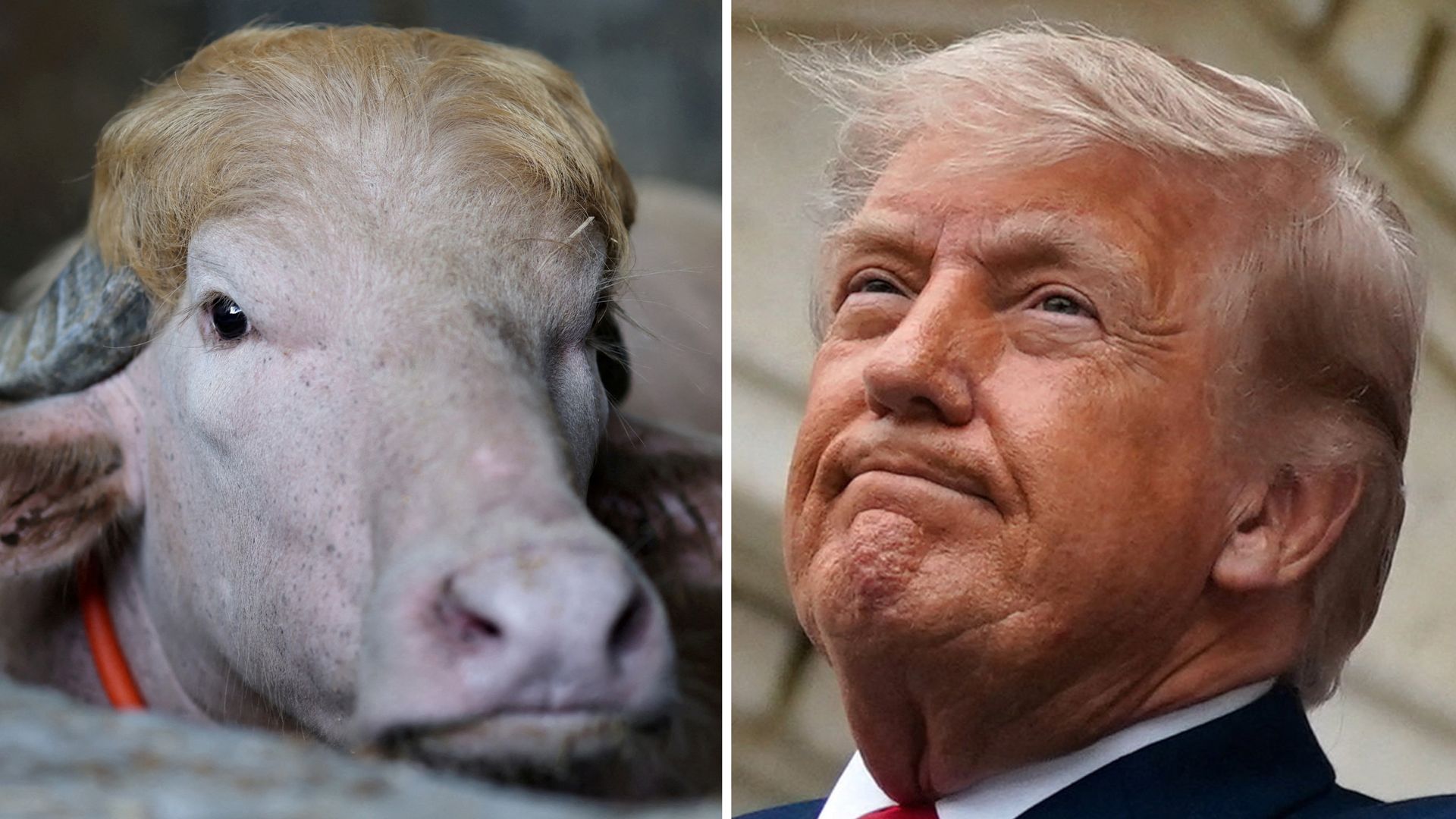
Donald Trump Buffalo Spared from Eid Sacrifice in Bangladesh
The Rise of the ‘Celebrity Animal’: More Than Just a Meme
When a buffalo in Bangladesh is spared from the traditional Eid sacrifice because it shares a name with a former US President, it’s easy to dismiss it as a quirky internet anecdote. However, as a journalist who has tracked the intersection of digital culture and social behavior, I see a much deeper trend at play.
We are witnessing the era of the “Celebrity Animal.” In the past, animals gained fame through circus acts or movies. Today, virality is the new currency. When an animal is given a human identity—or a politically charged name—it ceases to be “livestock” in the eyes of the public and becomes a character in a global narrative.
Shifting Paradigms: Tradition Meeting Modern Ethics
The tension between long-standing cultural traditions, such as the Eid-ul-Adha sacrifice, and the growing global movement for animal rights is becoming more pronounced. This isn’t just about one buffalo; it’s about a generational shift in how we perceive the animals we raise.
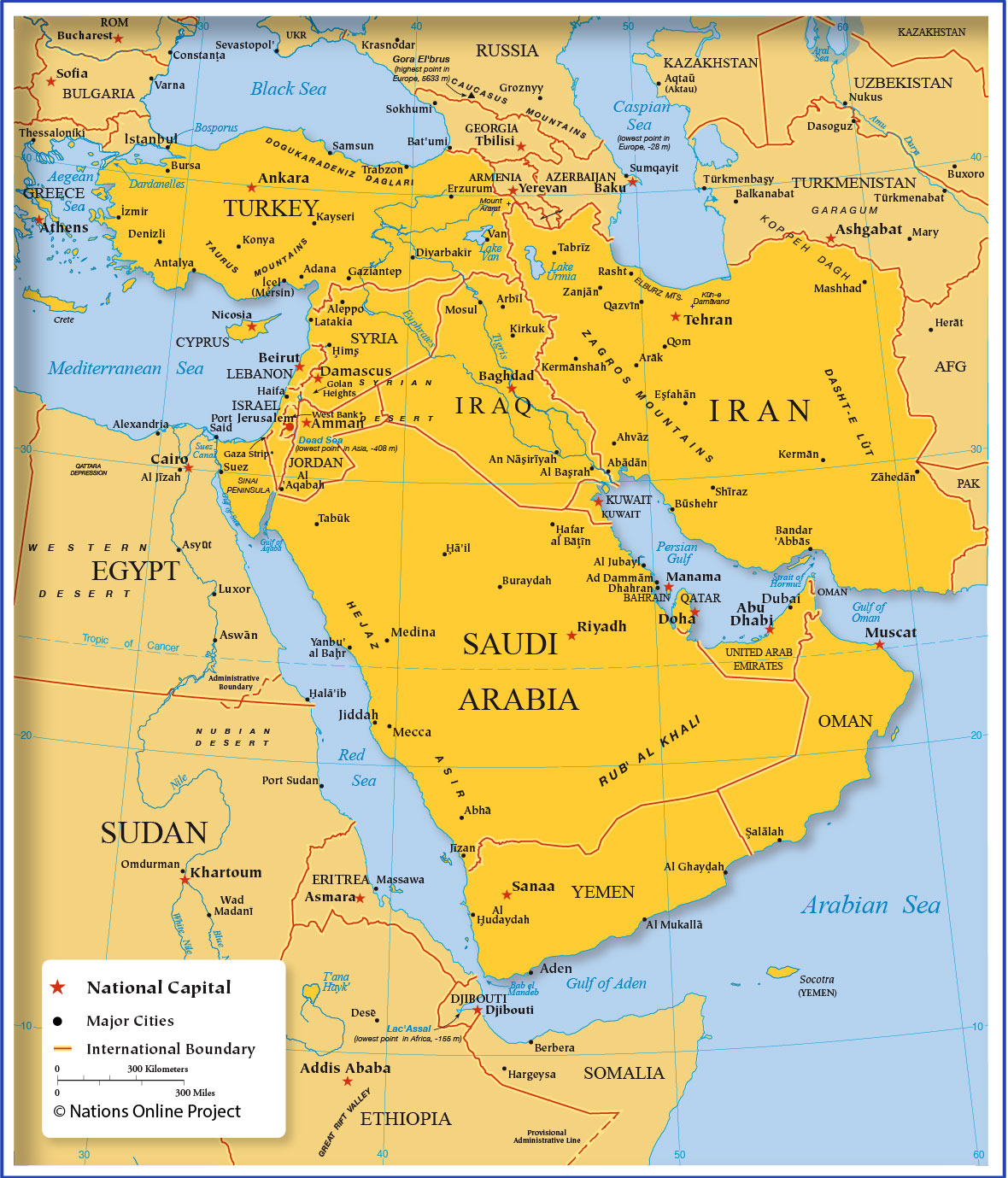
In many parts of Asia and the Middle East, there is a growing trend toward “conscious tradition.” While the core of the ritual remains, there is an increasing emphasis on the humane treatment of animals prior to sacrifice. The viral sparing of specific animals suggests that empathy is beginning to outweigh tradition when the animal is perceived as an individual rather than a commodity.
The Role of Social Media in Animal Advocacy
Social media acts as a digital megaphone for animal welfare. A single TikTok or Facebook post can transform a local animal into a global symbol. This “digital shield” provides a level of protection that was previously impossible.
For instance, we have seen similar patterns in the West with the rise of “farm sanctuaries” where cows and pigs are marketed as individuals with personalities. By giving an animal a name and a story, advocates bypass the cognitive dissonance people feel when thinking about meat production.
Future Trends in Ethical Livestock Management
Looking ahead, the intersection of technology and ethics will likely lead to several key trends in how we handle livestock and tradition.
The Growth of ‘Sanctuary Culture’
We can expect a rise in community-funded sanctuaries. As more people develop emotional bonds with animals through social media, the demand for “retirement homes” for livestock will grow. We are moving toward a world where “celebrity” animals are transitioned from the food chain to permanent sanctuary residents.
Precision Livestock Farming (PLF)
To balance tradition with ethics, the industry is moving toward Precision Livestock Farming. By using AI and sensors to monitor animal stress levels and health, farmers can ensure a higher standard of welfare, reducing the public outcry that leads to viral “save this animal” campaigns.
the rise of lab-grown meat is set to disrupt these traditions entirely. In a few decades, the concept of “sacrifice” may shift from a physical animal to a symbolic gesture or a synthetic alternative, eliminating the ethical dilemma altogether.
The Psychological Impact of Humanizing Livestock
Why does a name like “Donald Trump” make a buffalo untouchable? It’s a psychological phenomenon known as anthropomorphism. When we attach a human identity to an animal, our brains process the animal using the same empathy circuits we use for other humans.
This trend suggests that the future of animal rights will not be driven by dry legal arguments, but by storytelling. The more we “humanize” the animals in our industrial systems, the harder it becomes for society to justify their slaughter.
For more insights on how digital trends shape global culture, check out our previous analysis on the evolution of viral activism.
Frequently Asked Questions
Why do some animals become “viral” and get saved from slaughter?
Usually, it is a combination of a unique characteristic (like a funny name or appearance) and the power of social media algorithms that create an emotional bond between the animal and a global audience.
Is this trend affecting traditional religious practices?
While it rarely changes the core tenets of a religion, it often encourages a more humane approach to the practice and promotes discussions about animal welfare within religious communities.
What is the best way to support animal welfare globally?
Supporting reputable NGOs, advocating for stricter animal cruelty laws, and reducing the consumption of industrially farmed meat are the most effective long-term strategies.
What do you think?
Does giving an animal a human name change its value in your eyes, or is this just a social media fad? We want to hear your perspective.
Join the conversation in the comments below or subscribe to our newsletter for more deep dives into the trends shaping our world!