
:format(webp)/nginx/o/2026/05/30/17677374t1hecf0.jpg "Donald Trump Health Report: Excellent Cognitive and Heart Health")
Donald Trump Health Report: Excellent Cognitive and Heart Health
Beyond the Birth Certificate: The Rise of Biological Age in High-Stakes Leadership
For decades, we have relied on the calendar to determine how “old” a person is. However, a shift is occurring in the corridors of power and the clinics of longevity science. The focus is moving from chronological age—the number of years you’ve been alive—to biological age, the actual state of your cells, organs, and systems.
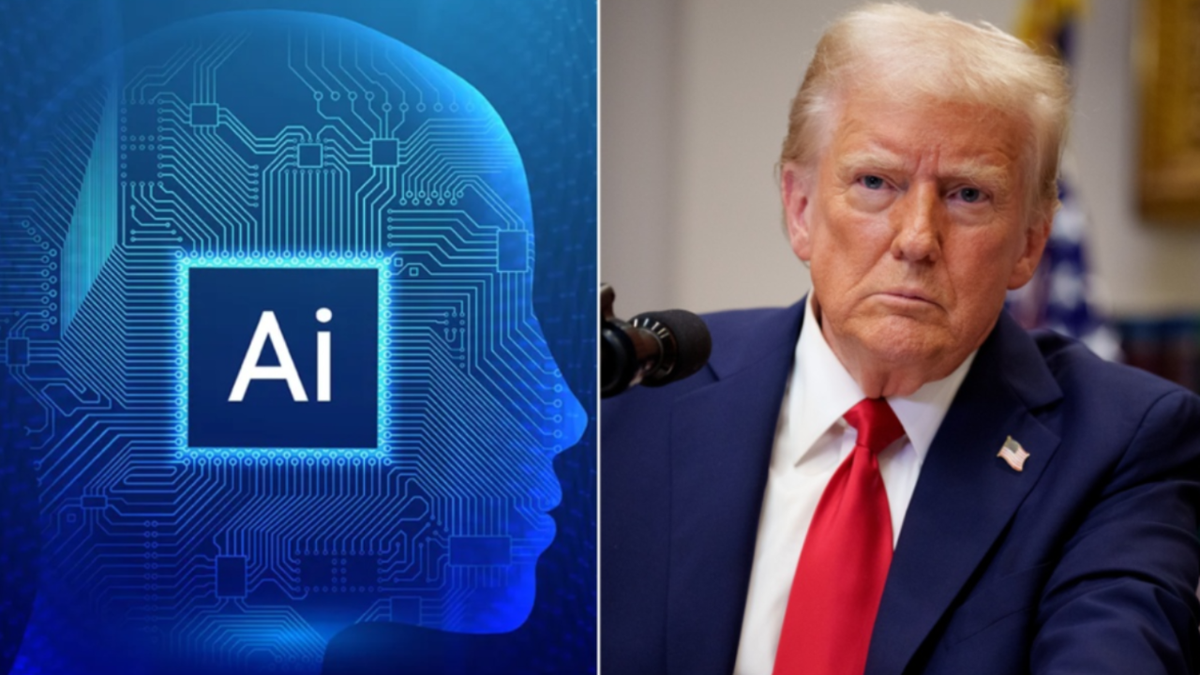
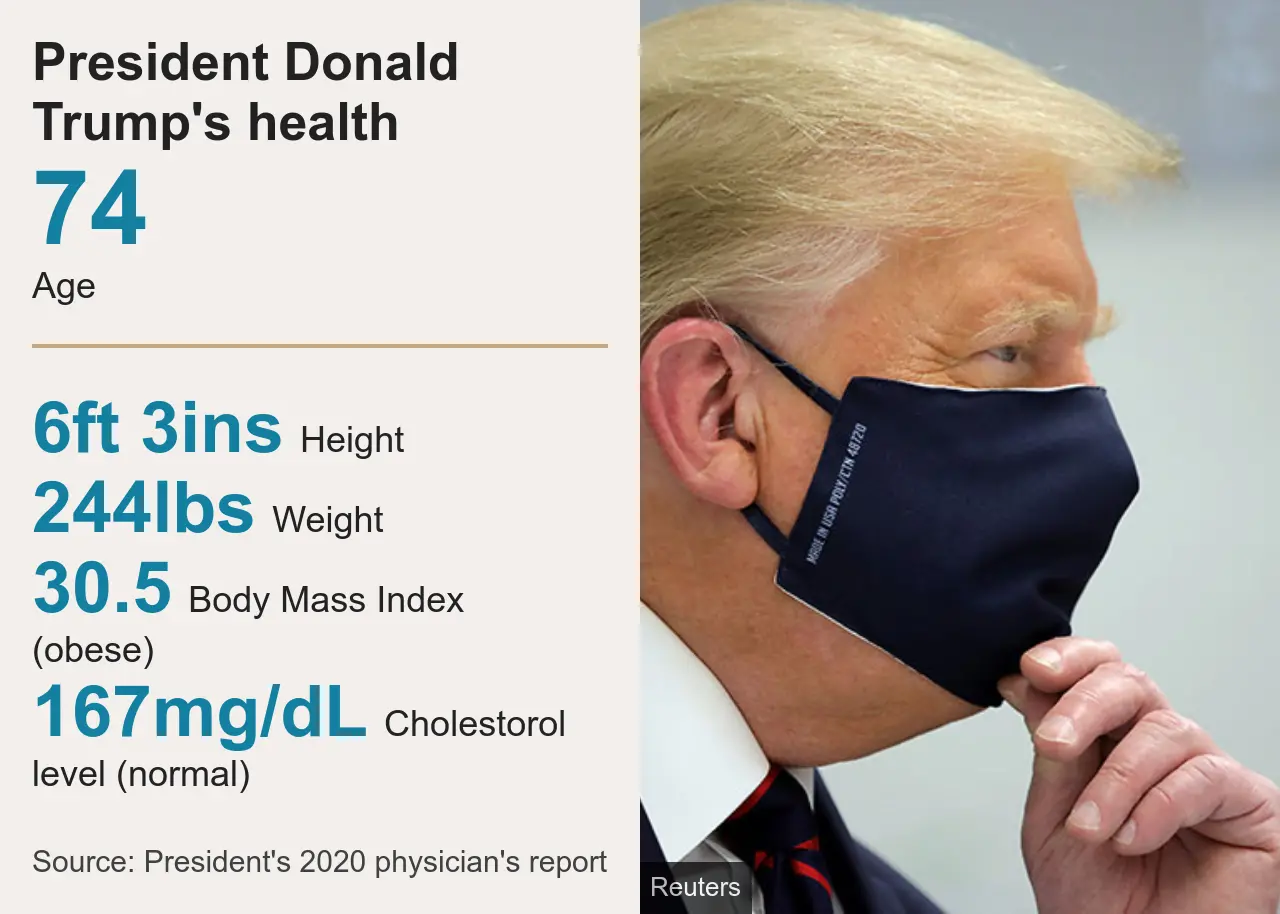
Recent health disclosures of global leaders highlight a fascinating trend: the use of advanced diagnostics to prove that a person’s “internal clock” is running slower than the calendar suggests. When an AI-analyzed ECG indicates a heart that is 14 years younger than the patient, we are no longer talking about simple health checks; we are talking about the quantification of vitality.
AI Diagnostics: The New Gold Standard for Preventative Health
The integration of Artificial Intelligence (AI) into cardiology and neurology is transforming how we monitor health in real-time. We are moving away from reactive medicine—treating a disease after it appears—toward predictive medicine.
AI-driven ECGs can now detect subtle patterns that the human eye might miss, predicting risks of atrial fibrillation or heart failure long before symptoms manifest. This allows for precision interventions, such as the strategic use of low-dose aspirin or targeted dietary shifts, to mitigate risks before they become crises.
For those in high-pressure roles, this data provides a “health shield,” allowing them to maintain a grueling pace that would be impossible for an average person of the same age. This trend is likely to trickle down from the elite to the general public as wearable tech becomes more sophisticated.
The Role of Precision Preventative Care
Preventative care is no longer just about “eating your greens.” It is now about data-backed optimization. We are seeing a rise in:
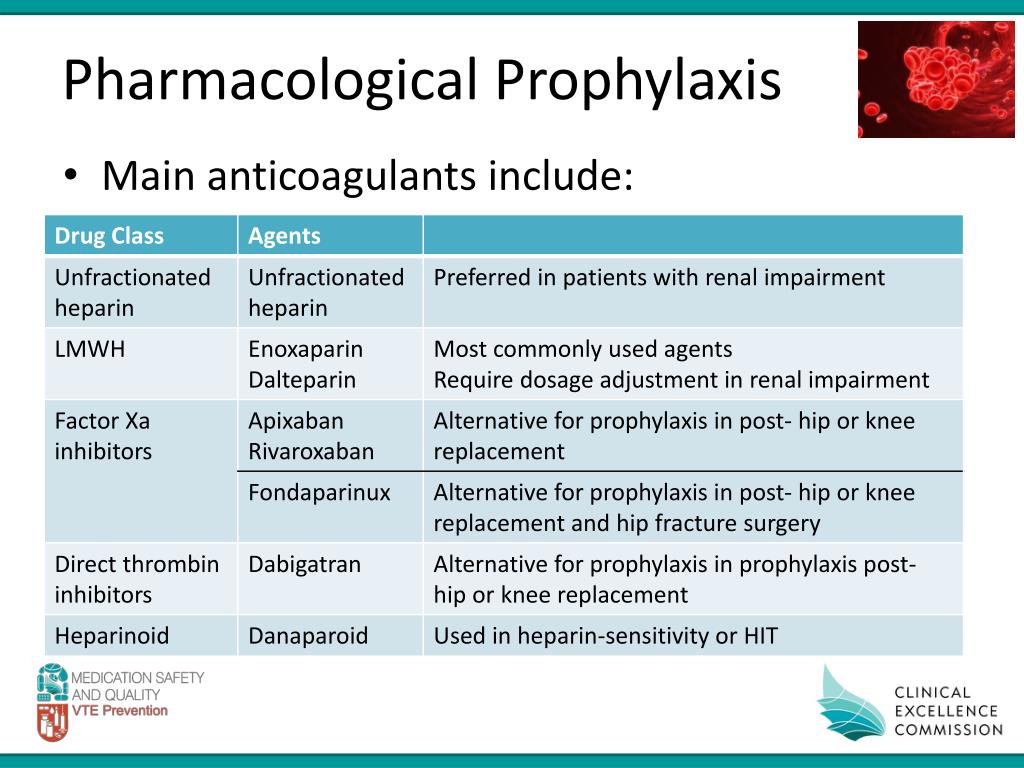
- Pharmacological Prophylaxis: Using low-dose medications to prevent cardiovascular events.
- Weight Optimization: Moving beyond the scale to focus on lean muscle mass and visceral fat reduction.
- Vascular Management: Treating chronic venous insufficiency through a combination of compression and lifestyle changes to maintain mobility.
The Cognitive Frontier: Testing the Mind’s Resilience
As the average age of global leadership rises, cognitive transparency is becoming a political and social necessity. Tools like the Montreal Cognitive Assessment (MoCA) are stepping into the spotlight, providing a standardized way to measure executive function, memory, and attention.
The trend is clear: mental acuity is the new currency of power. The ability to score a perfect 30/30 on a cognitive test is becoming as important as a strong economic record. This reflects a broader societal shift where we value “cognitive longevity”—the ability to remain sharp and decisive well into the eighth and ninth decades of life.
Experts suggest that the future of cognitive health will involve a blend of neuro-protective diets, rigorous mental stimulation, and perhaps even pharmacological enhancements to stave off age-related decline.
The Paradox of the Aging Leader
We are witnessing a historical anomaly: the oldest leaders in history are often the most physically and mentally active. This paradox is driven by access to “concierge medicine”—a level of healthcare that provides constant monitoring and immediate optimization.
However, this raises a systemic question. As AI and preventative medicine extend the “productive lifespan,” will we see a shift in retirement ages and leadership transitions? If a 80-year-old has the biological markers of a 65-year-old, the traditional boundaries of age-based capability begin to dissolve.
For more on how technology is changing our lifespans, check out our guide on the future of regenerative medicine.
Frequently Asked Questions
What is the difference between chronological and biological age?
Chronological age is the number of years since birth. Biological age refers to how your cells and organs are functioning, which can be influenced by genetics, lifestyle, and environment.
Can AI really determine the age of a heart?
Yes, AI algorithms can analyze ECG waveforms and compare them against massive datasets of different age groups to estimate the biological age of the cardiovascular system.
What is a MoCA test?
The Montreal Cognitive Assessment (MoCA) is a rapid screening tool used by healthcare professionals to detect cognitive impairment and evaluate functions like memory, orientation, and executive skill.
Is low-dose aspirin effective for everyone?
Not necessarily. While used for prophylaxis in some, it can increase bleeding risks. It should only be taken under the strict guidance of a medical professional based on individual risk factors.
Join the Conversation on Longevity
Are we entering an era where age is truly just a number? Do you believe biological markers should be a requirement for high-office leadership?
Share your thoughts in the comments below or subscribe to our newsletter for the latest insights on health and technology!