

Donald Trump Hosts Controversial UFC Fight Night at the White House for 80th Birthday
President Donald Trump hosted an Ultimate Fighting Championship (UFC) event directly in front of the White House on his 80th birthday, marking a convergence of high-stakes political signaling and professional combat sports. The event, which featured an octagon constructed on the White House grounds, occurred hours after the administration announced an Iran agreement, drawing thousands of spectators and high-profile guests, including Facebook founder Mark Zuckerberg. According to reports from the dpa-infocom news wire, the spectacle serves as a demonstration of the administration’s focus on displays of strength and branding, despite legal challenges and criticism regarding the use of federal property for private, profit-driven athletic showcases.
Why does the White House host professional sports spectacles?
The choice to host a UFC event at the executive mansion functions as a strategic outreach tool to the president’s political base. According to the dpa-infocom report, the president has long expressed personal affinity for mixed martial arts, a sport that emphasizes physical dominance and traditional displays of strength. By aligning with UFC president Dana White—a vocal supporter during the presidential campaign—the administration leverages the event’s branding and massive viewership to project an image of vigor. This follows a precedent set at the president’s 79th birthday, which featured a military parade involving heavy tanks and aircraft, an event critics similarly characterized as a personal celebration rather than a formal national observance.
How do critics challenge the use of federal grounds for private events?
Opponents argue that allowing a private, commercial entity like the UFC to utilize the White House for a ticketed event constitutes an improper use of public space for private gain. As reported by dpa-infocom, a legal challenge was filed to block the event on the grounds that it provided the UFC with exclusive branding and advertising opportunities at the expense of federal property. However, a U.S. court dismissed the lawsuit, ruling that the objections were filed too late to prevent the event from proceeding. Demonstrators like Joseph Tiernan, who protested at the site, labeled the event a “low point” in the administration’s use of the presidential platform.
What is the impact of these events on political optics?
The spectacle provides a stark contrast to traditional statecraft, particularly as the president prepared to depart for a G7 summit in France immediately following the fights. While the event drew “USA” chants from military personnel in attendance and praise from fighters like Bo Nickal, it also highlighted a divide in public reception. Some younger supporters, such as attendee Gage Mentusk, described the UFC presence as “mega cool,” while others expressed concern over the politicization of the venue. The inclusion of controversial rhetoric by participants—such as unsubstantiated claims regarding public figures—further illustrates how these events can become lightning rods for broader cultural friction.
Did you know?
The custom-built structure used for the fights, dubbed “The Claw,” was designed to tower over the White House, creating a visual dominance that mirrored the aggressive nature of the sport itself.

Frequently Asked Questions
- Was the UFC event at the White House a legal use of space? A U.S. court dismissed a lawsuit attempting to stop the event, ruling that the legal challenge was brought forward too late.
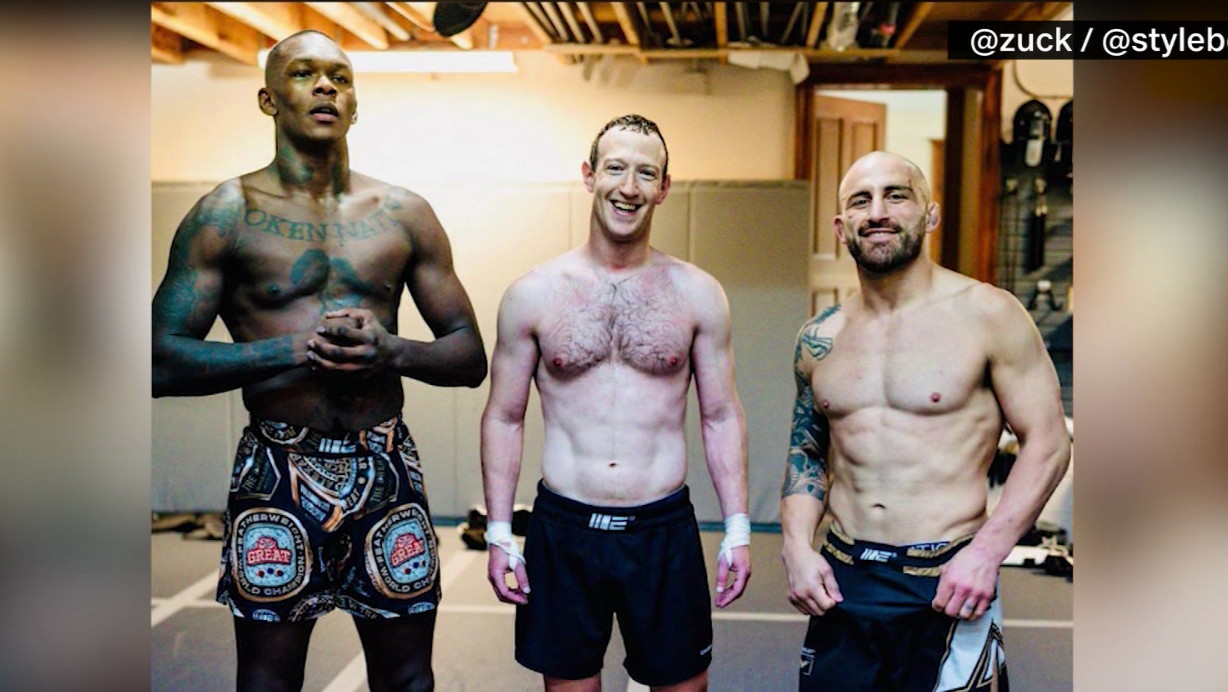
- Who attended the UFC event at the White House? Attendees included the president’s family, cabinet members, and public figures such as Facebook’s Mark Zuckerberg.
- Why does the administration host these events? According to reports, the events are used to engage the president’s core voting base and project an image of physical strength and vitality.
What are your thoughts on using the White House grounds for private sports exhibitions? Share your perspective in the comments below or subscribe to our newsletter for more analysis on the intersection of politics and culture.