
DR Congo’s Ebola outbreak yet to peak as cases surpass 1,000-Xinhua
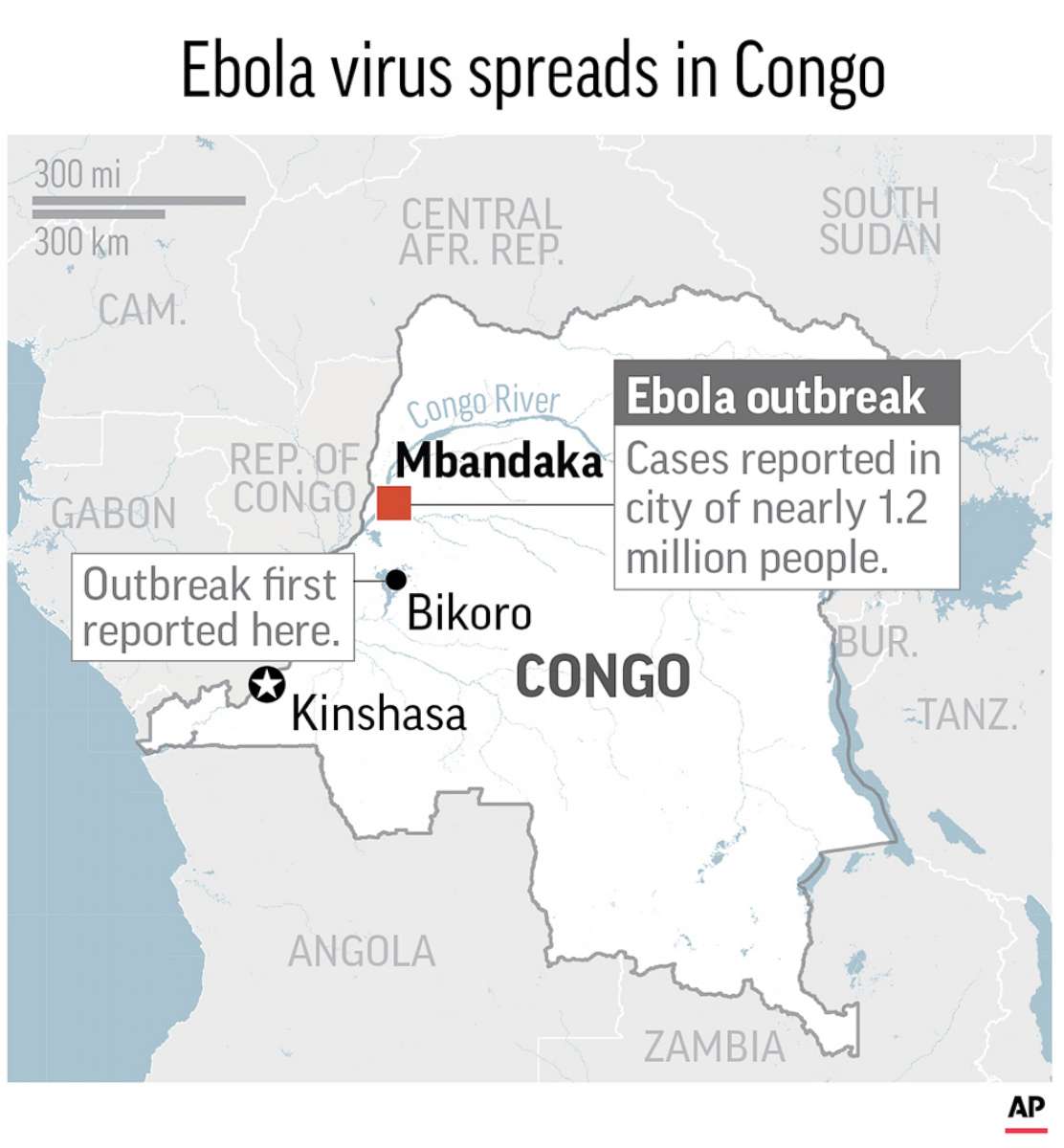
Confirmed cases of Ebola in the Democratic Republic of the Congo (DRC) have surpassed 1,000, reaching 1,003 total infections since the outbreak began in mid-May. According to the DRC Health Ministry, the virus has resulted in 254 deaths, and public health officials report the epidemic remains in an active growth phase with no immediate signs of peaking.
Current Status of the Outbreak
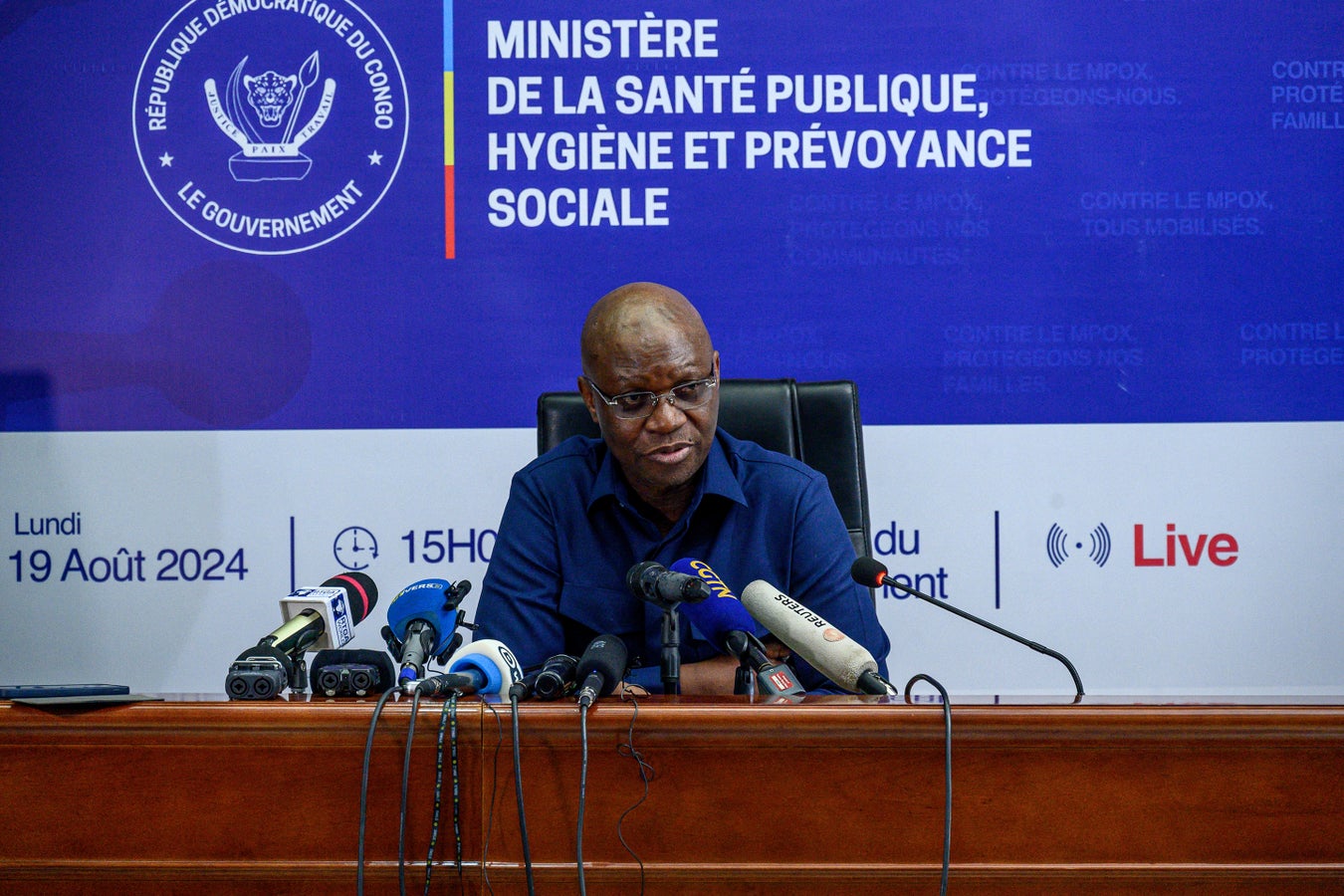
The outbreak, caused by the Bundibugyo Ebola virus, is currently concentrated in the eastern Ituri province. DRC Health Minister Roger Kamba stated that the rising case numbers reflect both the spread of the virus and an improved ability to identify previously undetected infections through expanded case-tracking. As of Sunday, 100 patients have recovered, while 365 individuals remain in isolation or hospital care.
Did You Know? The laboratory capacity in the region has significantly scaled up since the start of the outbreak, moving from processing roughly 20 tests per day to more than 2,000 tests daily.
Why Containing the Virus Remains Difficult
Health authorities face significant hurdles in stabilizing the situation, specifically regarding contact tracing. Current data shows a contact-tracing rate of 58 percent, which falls well below the Ministry’s 95 percent target. Dieudonne Mwamba Kazadi, head of the National Institute of Public Health, noted that the primary danger lies in the emergence of transmission chains outside of known epidemiological monitoring.
Expert Insight: The challenge here is a “behavioral gap.” While medical infrastructure like beds and testing is essential, the effectiveness of these tools is tethered to public cooperation. When communities react with denial or mistrust, it creates a feedback loop that allows the virus to move undetected through mobile or displaced populations, effectively outpacing the response teams.
What May Happen Next
The trajectory of the outbreak depends heavily on the ability of responders to reach at-risk populations in conflict-affected areas. If humanitarian corridors and access for health teams continue to face delays, officials from the Africa Centers for Disease Control and Prevention (Africa CDC) warn that responders may find a surge in cases upon entering these regions. Financial projections suggest that if the virus is not contained rapidly, the resources required for the response could escalate from the current 910 million U.S. dollars to as much as 1.5 billion dollars.
Frequently Asked Questions
Why is the current Ebola strain difficult to diagnose?
According to Health Minister Roger Kamba, the Bundibugyo virus often does not present the classic bleeding symptoms associated with Ebola. Early symptoms frequently mirror common local illnesses like malaria, which leads to delayed diagnosis and treatment.
What is the role of community engagement in this response?
Pierre Akilimali of the National Institute of Public Health states that community cooperation is essential for breaking transmission chains. Because early detection relies on public trust, health teams must manage the “behavior-change process,” which can be stalled by initial hostility or denial from local residents.
How does the humanitarian situation impact transmission?
The World Health Organization notes that the outbreak is occurring in a conflict-affected environment with highly mobile and displaced populations. Overcrowded displacement camps and limited access to clean water and basic services increase the risk of undetected transmission and hinder the efforts of contact tracers.
How can public health officials best balance the need for rapid medical intervention with the necessity of building long-term community trust in these affected regions?