
Dresden Kids Transform Gym into Opera Stage for Prohlis Neighborhood Show
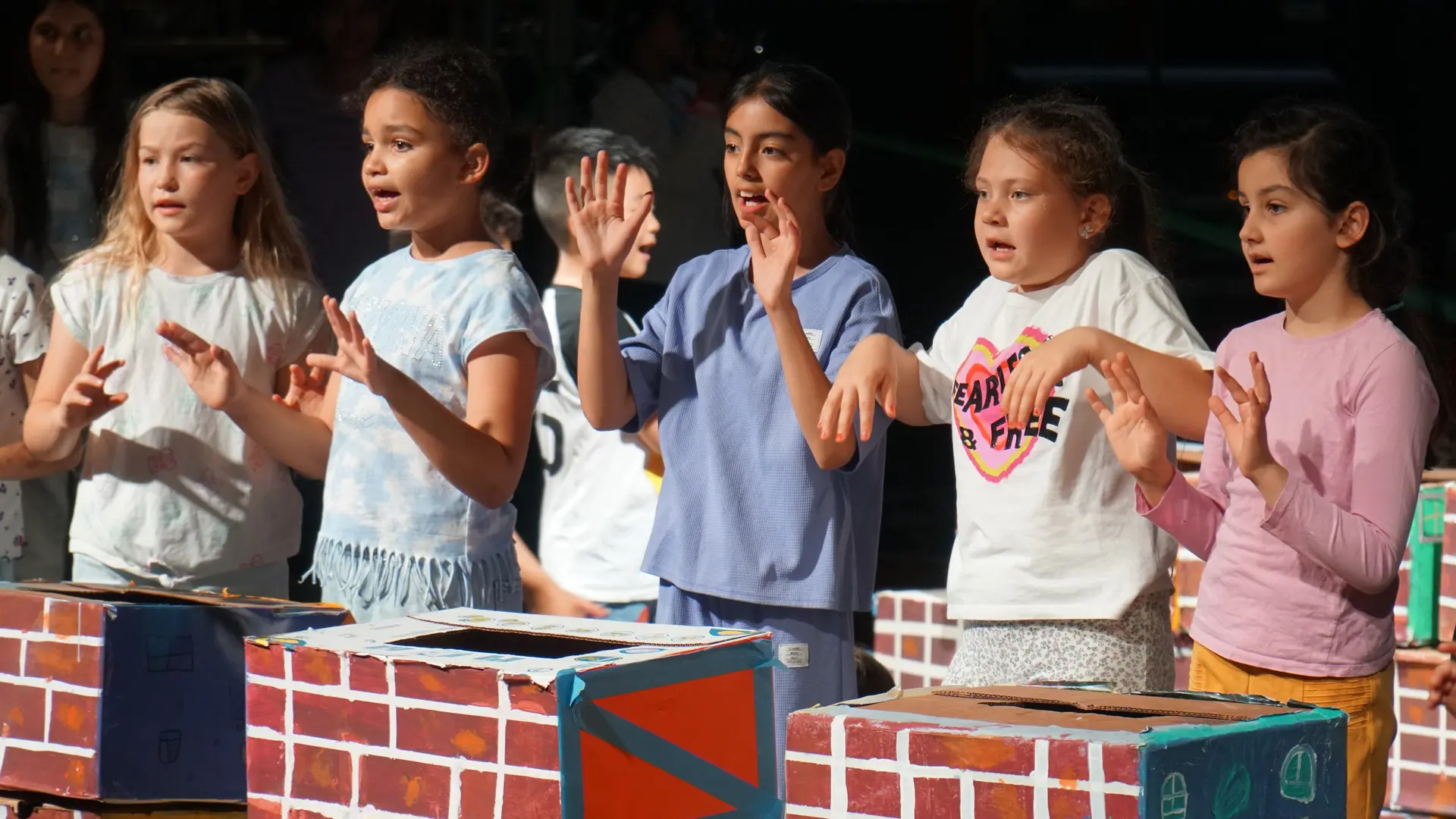
More than 200 children are transforming a gymnasium in the Dresden-Prohlis district into an opera stage this weekend for the premiere of “Plattenspieler:innen.” The production, which incorporates dance, rap, and acting, chronicles the history of the neighborhood from prehistoric times to the future. According to project organizer Tim Vollmann of the association Musaik, the initiative aims to bring the genre of opera to a district where such cultural offerings are often less accessible.
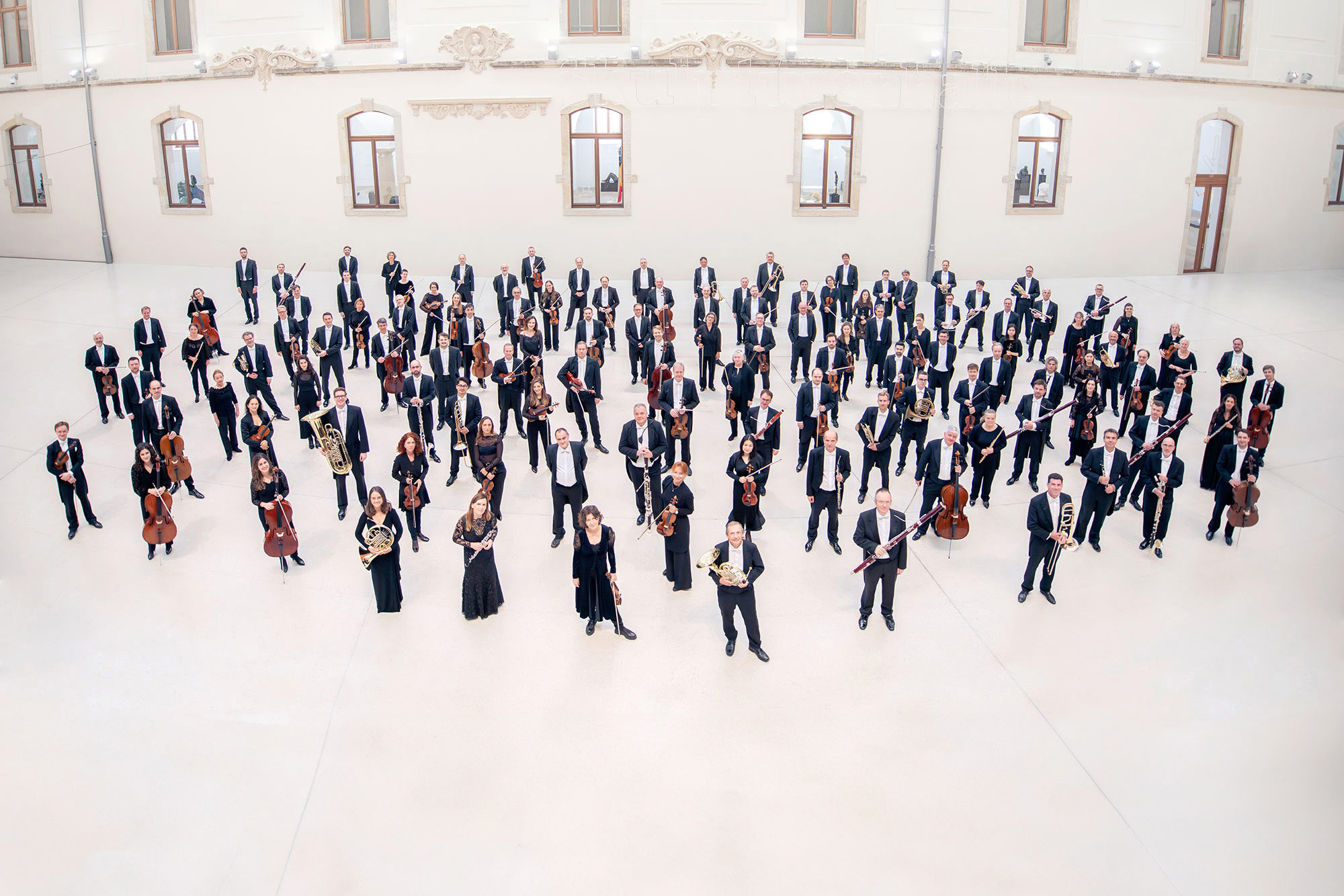
Did You Know? The Musaik-Orchester, which provides the musical accompaniment for the opera, consists of 120 children from 15 different nations, many of whom reside in Prohlis and receive free instrumental instruction through the association.
Production and Community Context
The performances take place at the 121. Oberschule in Prohlis, where organizers have converted a gymnasium into a theater space. The setup includes a central stage with lighting installations and a dedicated audience grandstand. Preparation for the event spanned several weeks, involving students from both the Oberschule and a neighboring primary school. Eleven-year-old participant Stella Schmidt contributed to the production by painting and decorating banana crates for the set design.
Addressing Neighborhood Stigmatization
The project seeks to challenge the perception of Prohlis as a “problem district,” a label that workshop leader Konrad Behr says is frustrating to those born and raised in the area. Behr, who serves as a workshop leader, argues that the area suffers from social tensions, including those related to the large migrant population, which he attributes to political policy. For the organizers, these social challenges serve as a primary motivation to provide local youth with new perspectives and direct access to high culture.
Expert Insight: The use of “city-district operas” as a tool for social integration and cultural outreach is a model already established in cities like Leipzig, Bremen, and Frankfurt am Main. By involving professional musicians from the Staatskapelle Dresden alongside local children, the project attempts to bridge the gap between institutional high culture and the specific realities of a neighborhood often marginalized in civic discourse.
Future Outlook
Organizers are currently evaluating the impact of the project on community cohesion. Tim Vollmann noted that the rehearsal process was demanding, marked by the typical challenges of managing large groups of children. Looking forward, he expressed a desire for even stronger identification with the neighborhood in future iterations of the project. While the current performances are sold out, attendees may find limited remaining tickets available at the venue in the Gamigstraße 28.
Frequently Asked Questions
What is the subject of the opera “Plattenspieler:innen”?
The opera depicts the history of the Dresden-Prohlis district, covering a timeline from the prehistoric era into the future through a mix of live reports, reenactments, and time-travel elements.
Who is performing in the orchestra?
The musical accompaniment is provided by the Musaik-Orchester, featuring 120 children from 15 nations, alongside 11 professional musicians from the Staatskapelle Dresden.
Where and when are the performances being held?
The performances take place at the gymnasium in Gamigstraße 28 on Friday, June 19, at 5:00 p.m., and Saturday, June 20, at 11:00 a.m. and 5:00 p.m.
Could the success of this grassroots cultural project influence how the city of Dresden allocates its future arts funding for outlying districts?