

Israeli right-wing condemns Jared Kushner and Steve Witkoff over Iran
Prominent Israeli media figures and commentators have launched a sharp critique of Jared Kushner and Steve Witkoff this week, accusing the two U.S. presidential envoys of abandoning Israel’s security interests to advance a new memorandum of understanding with Iran. Critics argue the emerging deal prioritizes regional stability and the reopening of the Strait of Hormuz while failing to address Iran’s nuclear ambitions, missile production, or support for regional proxy groups.
Did You Know? Before this week’s backlash, Jared Kushner and Steve Witkoff were widely praised within Israel for their previous contributions to hostage negotiations and the broader development of U.S. Middle East policy.
Criticism from the Israeli Right
The backlash against the envoys has been most visible on Channel 14, a conservative Israeli television outlet. During a Monday morning broadcast, anchor Tal Meir accused Kushner and Witkoff of turning their backs on Israel “at the moment of truth.” Meir argued that Israel serves as a guardian for Jewish people globally, including those in the United States, and characterized the envoys’ participation in the current diplomatic track as a betrayal of that bond.
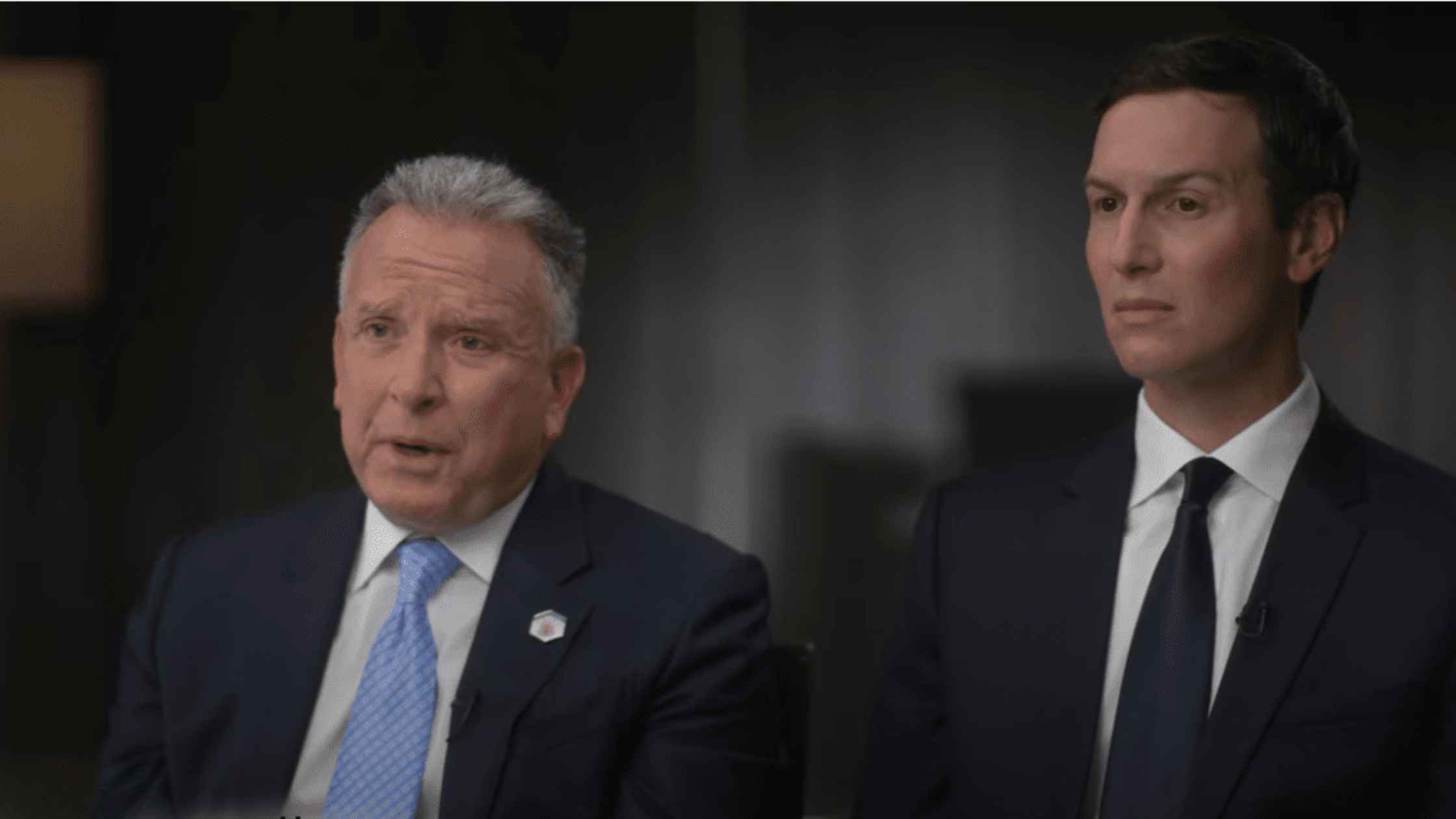
Yinon Magal, host of the program The Patriots, echoed these sentiments on social media platform X. According to reports cited by Channel 14, Magal alleged that the envoys were acting under pressure from Qatar and described the agreement as an act of “selling their brothers in Israel.” These comments reflect an increasingly emotional divide, as the envoys are now being judged not only as American negotiators but as Jewish figures with perceived obligations to the state of Israel.
Security Concerns and Diplomatic Gaps
Israeli officials indicated to Ynet that the memorandum falls short of four core security demands previously outlined by Prime Minister Benjamin Netanyahu. These requirements include the removal of enriched uranium, the dismantling of enrichment infrastructure, constraints on missile production, and the cessation of support for terrorist proxies. Reports suggest these specific goals are currently absent from the diplomatic horizon.
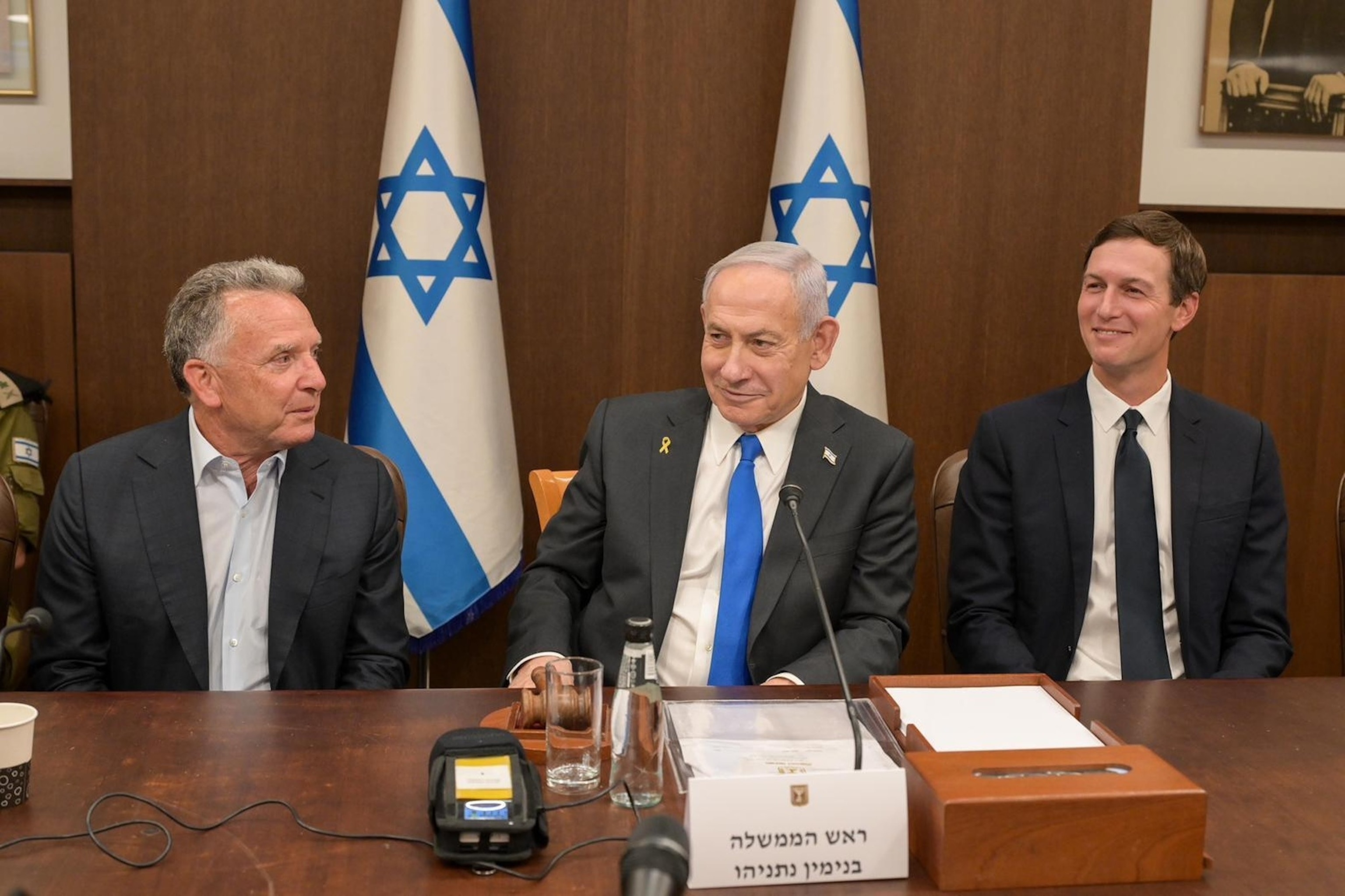
Security officials cited by Channel 14 warned that the agreement is built upon a fragile structure. Critics contend the deal focuses on immediate regional crises while deferring the most difficult questions regarding Iran’s long-term military capabilities to future negotiations. While Prime Minister Netanyahu has avoided direct public attacks on the envoys, he stated Monday that Israel remains committed to preventing Iran from acquiring nuclear weapons, regardless of the agreement’s terms. Furthermore, officials conveyed to Ynet that Israel does not consider itself bound by the deal’s Lebanon clause, maintaining its intent to continue operations against Hezbollah.
Potential Future Implications
The intensifying public frustration suggests a growing distance between the current U.S. diplomatic approach and the security expectations of the Israeli government. If the memorandum proceeds without incorporating the security demands voiced by Israeli officials, the political pressure on the U.S. envoys from right-wing Israeli media may continue to escalate. Furthermore, Israel’s stated intention to act independently regarding its security—specifically regarding Hezbollah and Iran’s nuclear program—could lead to increased friction with the U.S. if the agreement is presented as a comprehensive regional framework.
Frequently Asked Questions
Why are Israeli commentators criticizing Kushner and Witkoff?
Critics accuse the envoys of pushing a U.S.-Iran deal that prioritizes regional calm over Israel’s security, specifically failing to address Iran’s nuclear and missile programs.
What does Israel want included in the Iran deal?
According to Ynet, Israel has demanded the removal of enriched uranium, the dismantling of enrichment infrastructure, limits on missile production, and an end to support for terrorist proxies.
How has the Israeli government responded to the deal?
Prime Minister Benjamin Netanyahu has stated that Israel will continue to act against Iran’s nuclear threat regardless of the agreement and has made it clear that Israel is not bound by the deal’s Lebanon clause.
How do you view the balance between regional diplomatic stability and long-term national security concerns in the Middle East?