
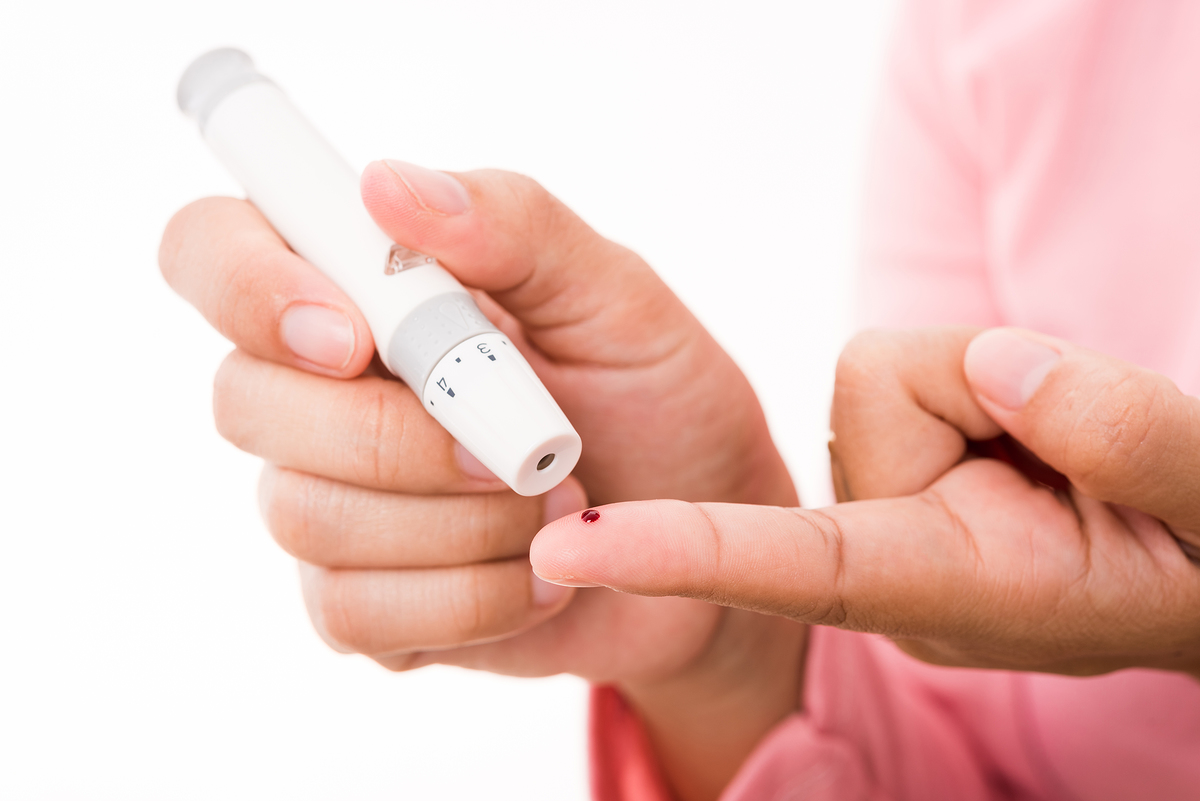
Early Diabetes Medication Reduces Cardiovascular and Mortality Risks
Delaying medication after a diabetes diagnosis increases the risk of cardiovascular disease and death, according to a study published in JAMA Network Open. Research by Kangbuk Samsung Hospital, Seoul National University Hospital, and Sungkyunkwan University Pharmacy found that starting treatment within three months significantly lowered five-year mortality risks compared to delayed intervention.
The joint research team analyzed data from 23,452 adults with an average age of 48.2 years. These individuals were identified using health examination and health insurance claim data from 2013 to 2022. Participants entered the study after meeting diabetes diagnostic criteria, defined as a glycated hemoglobin (HbA1c) level of 6.5% or higher or a fasting blood glucose level of 126 mg/dL or higher.
How does the timing of medication affect survival rates?
Starting medication within three months of diagnosis reduced the risk of total death over five years by 69% compared to those who delayed treatment for over a year. The research team divided participants into four groups based on when they began medication: within three months, six months, 12 months, or after 12 months.
The risk of major cardiovascular events also dropped based on the speed of treatment. Those who started medication within three months saw a 68% lower risk of these events than the group that waited over a year. The risk reduction was 35% for the six-month group and 7% for the 12-month group, though the researchers noted that statistical significance between these specific groups was not confirmed.
Why does early treatment provide long-term protection?
The research team attributes these results to “metabolic memory,” also known as the “legacy effect.” This phenomenon occurs when aggressive blood sugar control in the early stages of diabetes reduces the risk of vascular damage for a long period, even if glucose levels worsen later.
Conversely, prolonged high blood sugar levels lead to the accumulation of advanced glycation end products (AGEs). According to the researchers, this process, along with inflammatory responses and oxidative stress, can cause vascular damage that becomes nearly impossible to reverse.
What are the current trends in diabetes medication?
Modern treatment options have moved beyond simple glucose management. According to the study, newer medications like SGLT-2 inhibitors and glucagon-like peptide-1 (GLP-1) receptor agonists are now widely used because they are proven to lower the risk of stroke, myocardial infarction, and heart failure.

The research team suggests that health authorities and medical professionals may need to develop more active strategies to promote early diagnosis and rapid treatment initiation. Such steps could potentially improve long-term survival and cardiovascular health for newly diagnosed patients.
Frequently Asked Questions
Who was included in the research study?
The study analyzed 23,452 adults with an average age of 48.2, using data from 2013 to 2022.
What is the “legacy effect” mentioned by researchers?
It is a phenomenon where early, aggressive blood sugar control provides long-term protection against vascular damage, even if blood sugar levels fluctuate in the future.
Which medications provide more than just glucose control?
SGLT-2 inhibitors and GLP-1 receptor agonists are noted for reducing the risks of heart failure, stroke, and myocardial infarction.
How does knowing the “legacy effect” change your perspective on managing a new health diagnosis?