
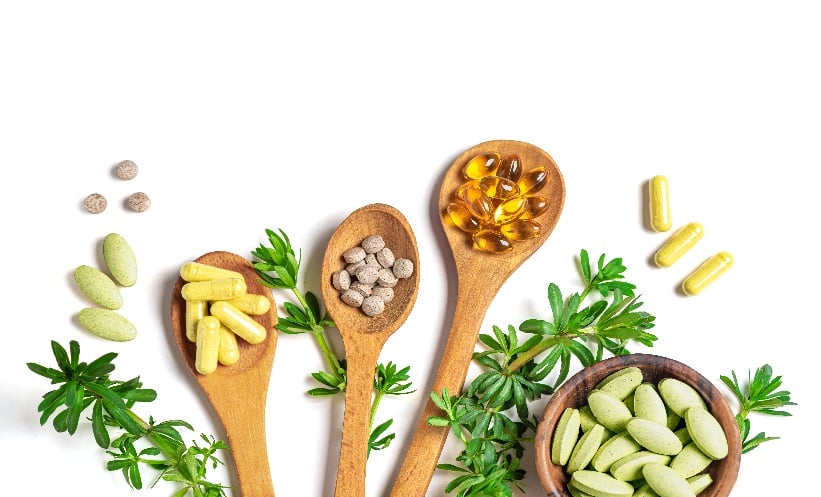
EASL 2026: The Wellness Industry and Hepatotoxicity
The global rise of the wellness industry has brought an unexpected side effect to the forefront of clinical concern: supplement-induced liver injury. Experts gathering at the 2026 European Association for the Study of the Liver (EASL) annual congress warned that as consumption of herbal and dietary supplements (HDS) increases worldwide, so too does the incidence of damage caused by these products, a condition known as herb-induced liver injury (HILI).
The Hidden Risks of Wellness Trends
While many consumers view supplements as natural and inherently safe, the reality is more complex. Products often contain concentrated extracts, contaminants, or undeclared pharmaceutical ingredients. Mechanisms for liver damage include oxidative stress, mitochondrial dysfunction, and immune activation triggered by reactive metabolites.
Turmeric is a primary example of this risk. While culinary use is generally safe, concentrated supplement formulations—often boosted with piperine to increase bioavailability by up to 20-fold—can deliver much higher doses. Similarly, black cohosh, frequently used for menopausal symptoms, has been linked to patterns of autoimmune-like hepatitis.
The Challenge of Diagnosis and Regulation
Diagnosing HILI is frequently complicated by a lack of transparency. Patients often do not disclose their supplement use to healthcare providers, and conversely, many clinicians fail to ask about complementary medicine. Data presented at the congress showed that one-quarter of patients do not report supplement use to their primary care physicians, while 57% of clinicians do not inquire about it.
The influence of digital culture further complicates the landscape. With 67% of Millennial and Generation Z TikTok users reporting they are influenced by nutrition trends, many consumers rely on health influencers rather than medical practitioners. Because HDS products are often regulated as foods rather than pharmaceuticals, they frequently reach the market without the rigorous evidence required for medical drugs.
Future Implications for Patient Safety
Looking ahead, the medical community may see a shift toward more robust surveillance systems. While tools like the LiverTox database and global case registries currently assist clinicians in identifying harmful products, panelists at the congress indicated that clearer labelling laws and stronger enforcement are necessary. Without these improvements, the burden on healthcare systems is likely to continue as the wellness market expands.

Frequently Asked Questions
What is herb-induced liver injury (HILI)?
HILI is a condition where herbal medicines, dietary supplements, or traditional remedies cause damage to the liver.
Why is it difficult for doctors to diagnose supplement-induced liver injury?
Diagnosis is challenging because many patients do not disclose their supplement use to their doctors, and many clinicians do not ask about the use of complementary medicines.
Are herbal and dietary supplements regulated like prescription drugs?
No. HDS products are often regulated as foods, meaning they can reach the market without the level of evidence required for pharmaceutical products.
Have you ever discussed your use of herbal or dietary supplements with your primary care physician?