
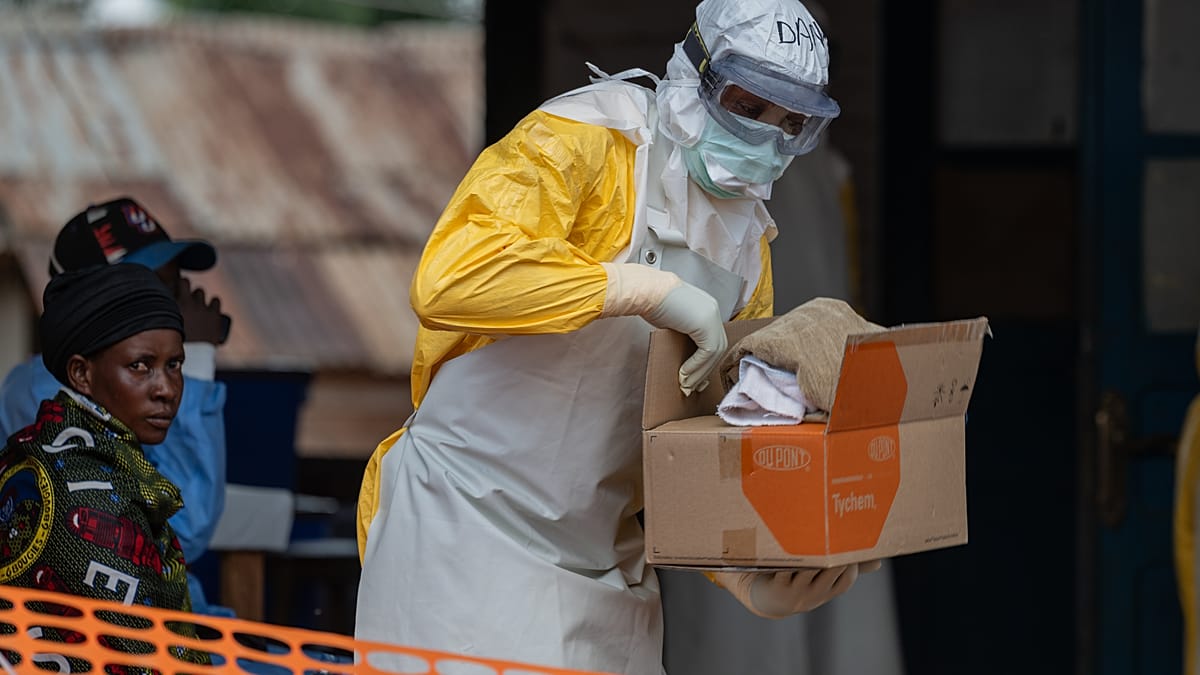
Ebola cases surge over 400 as fears grow over central Africa outbreak
A rapidly expanding Ebola outbreak in central Africa has reached a critical stage, with health authorities reporting nearly 500 confirmed cases. The World Health Organization (WHO) has officially declared the crisis a public health emergency of international concern, as teams work to curb the virus’s transmission across the region.
The Current Situation
As of Saturday, June 6, 2026, the WHO reported a combined total of 471 confirmed cases and 84 deaths across the Democratic Republic of the Congo (DRC) and Uganda. The DRC, where the outbreak was first declared on May 15, accounts for 452 of these cases and 82 of the deaths. Neighboring Uganda has recorded 19 confirmed cases and two deaths.
The situation remains volatile, with authorities noting an increase of 100 cases and 20 deaths within a single 24-hour period. While the outbreak was only officially identified in mid-May, health experts believe the virus may have been circulating undetected in the region for some time before the initial declaration.
Potential Next Steps and Response
To combat the spread, the WHO and Africa CDC have launched a comprehensive $518 million (€449.5 million) response plan. This initiative is designed to strengthen laboratory testing, surveillance, and infection prevention efforts. WHO chief Tedros Adhanom Ghebreyesus has emphasized the need for immediate, collective action to stop the virus where it is currently present while ensuring neighboring countries remain prepared to detect and address any emerging cases.

The future trajectory of this epidemic remains uncertain. Jason Asher, director of the US Centers for Disease Control and Prevention’s Center for Forecasting and Outbreak Analytics, has cautioned that it is possible for the outbreak to reach a scale that rivals the 2014 West Africa epidemic. Whether the current containment measures will succeed in breaking the chain of transmission remains the primary concern for international health officials.
Frequently Asked Questions
What is the current scale of the Ebola outbreak?
As of June 6, 2026, there are 471 confirmed cases and 84 deaths reported across the Democratic Republic of the Congo and Uganda.
Why is this particular outbreak considered a major concern?
The outbreak involves the rare Bundibugyo strain, for which there are no approved vaccines or treatments. Officials believe the virus may have spread undetected for a period before it was officially declared, and the speed of new cases is causing significant alarm.
What is being done to stop the spread?
The WHO and Africa CDC have launched a $518 million (€449.5 million) response plan focused on increasing laboratory testing, enhancing surveillance, and improving infection prevention. The WHO chief has called for rapid, unified action to contain the virus at its source.
Given the rapid increase in reported cases and the lack of available vaccines for this specific strain, what measures do you believe are most critical for local communities to prioritize in their own defence?