
New Drug Obexelimab Halves Relapse Risk in IgG4-Related Disease
Researchers have identified a promising new pharmaceutical approach that significantly reduces the risk of relapse in patients suffering from IgG4-related disease. This chronic, rare autoimmune condition is frequently misdiagnosed as cancer due to its tendency to cause severe inflammation and fibrosis, which manifests as tumor-like masses in organs such as the pancreas, kidneys, salivary glands, and lymph nodes.
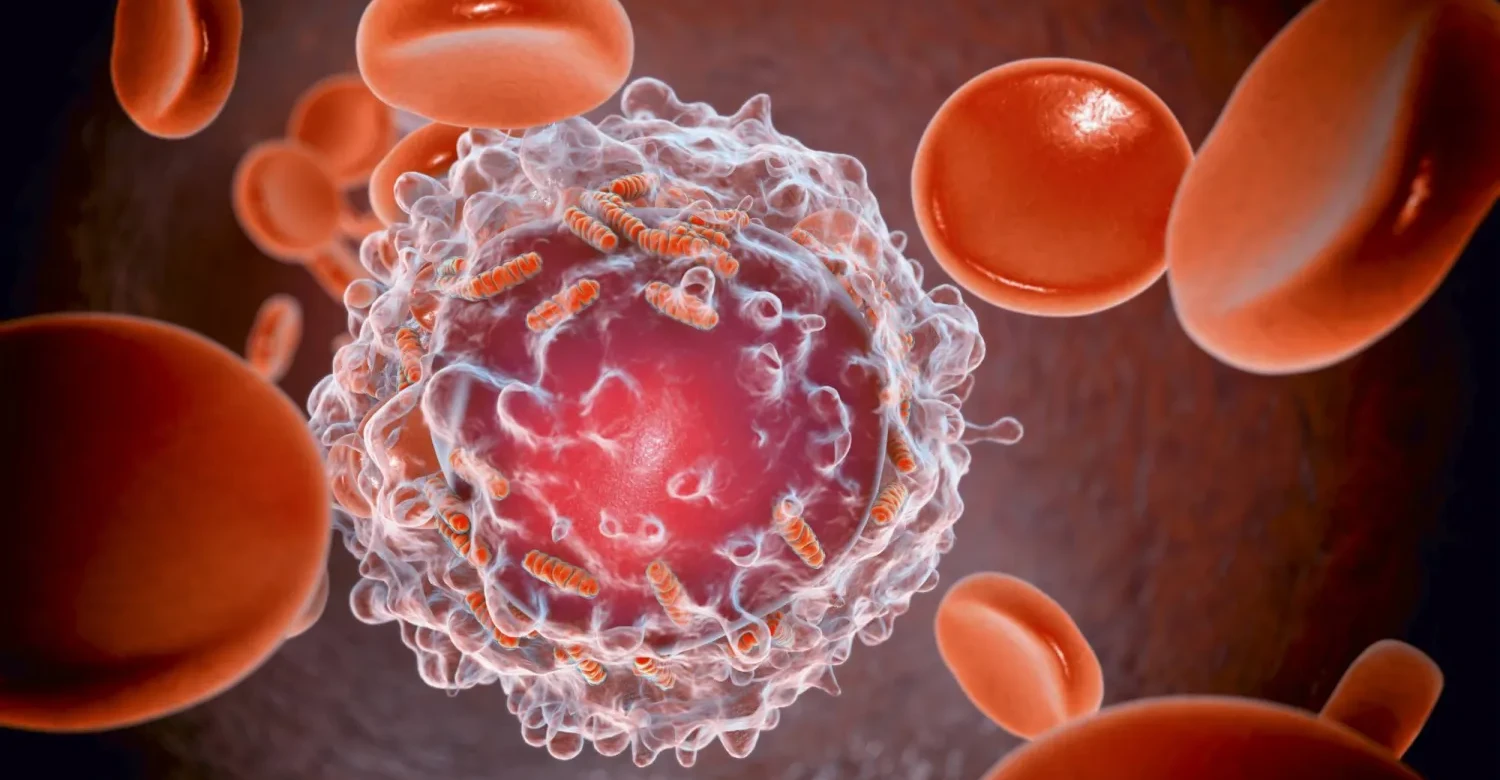
The experimental drug, known as obexelimab, was evaluated in a major international clinical trial led by a team at the Stanford University School of Medicine. Unlike traditional therapies that eliminate B cells—a vital component of the immune system—obexelimab functions by temporarily inhibiting the activity of these cells. This mechanism prevents B cells from attacking healthy tissues while allowing them to remain present to protect the body against dangerous infections.
Did You Know?
IgG4-related disease is often mistaken for cancerous tumors because of the way it causes inflammation and tissue fibrosis throughout the body, affecting critical organs like the pancreas and kidneys.
Clinical Trial Outcomes
The study involved 194 patients across 114 locations in 19 countries. All participants initially received steroid treatment to achieve disease remission before being randomly assigned to receive either weekly injections of obexelimab or a placebo for 52 weeks. During the first eight weeks, steroids were gradually tapered off until they were discontinued entirely.
The findings revealed that the relapse rate for the group treated with obexelimab was 26.8%, significantly lower than the 54.6% relapse rate observed in the placebo group. Patients receiving the new drug were nearly twice as likely to achieve complete remission after one year, with 37.1% reaching that goal compared to 19.6% in the placebo group. Those on the new treatment regimen also required less emergency steroid intervention.
Expert Insight:
The development of obexelimab represents a shift in strategy for managing autoimmune conditions. By opting to modulate B-cell activity rather than depleting these cells entirely, researchers are attempting to solve the “trade-off” dilemma where patients gain disease control but lose their ability to fight off infections. This suggests a future where maintenance therapy for rare diseases could be both more effective and safer for long-term use.
The Path Forward
If obexelimab receives approval from the U.S. Food and Drug Administration, it could become a primary option for patients with mild to moderate disease, particularly those showing symptoms like enlarged salivary or tear glands. However, for patients whose condition is more severe—such as those experiencing obstructions in the bile ducts or kidneys—researchers suggest that more robust treatments may still be required.

Frequently Asked Questions
What makes obexelimab different from existing treatments?
Current treatments, such as rituximab or inebilizumab, work by destroying B cells. While effective at reducing inflammation, this depletion leaves patients vulnerable to infections. Obexelimab inhibits B-cell activity temporarily, preserving the cells while stopping them from attacking the body.
How was the study conducted?
The international trial included 194 patients across 19 countries. After an initial period of steroid-induced remission, participants received either obexelimab or a placebo for 52 weeks while steroids were slowly tapered and stopped.
Is this drug available for all IgG4 patients?
The research indicates that the drug is likely ideal for mild to moderate cases. Patients with severe complications, such as physical obstructions in the kidneys or bile ducts, may still require more aggressive medical interventions.
How might the availability of targeted therapies like this change the standard of care for patients living with rare, chronic autoimmune disorders?