
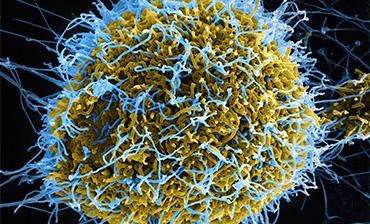
Ebola disease outbreak in the Democratic Republic of the Congo and Uganda
As of 26 May 2026, health authorities are tracking an evolving outbreak of Ebola disease caused by the Bundibugyo virus. The current situation spans across the Democratic Republic of the Congo (DRC) and Uganda, with a concerning volume of both confirmed and suspected cases being reported in the affected regions.
Current Outbreak Scope and Impact
In the Democratic Republic of the Congo, the Ministry of Health reported that as of 25 May, there are 105 confirmed cases of the virus, including 10 deaths. The region is managing 906 suspected cases, which have resulted in 223 deaths. These cases are concentrated within the Ituri, North Kivu, and South Kivu provinces.
Uganda has also reported seven confirmed cases, with one death recorded. Several of these cases have been linked to individuals travelling from the DRC. This cross-border movement highlights the challenges in containing the spread of the virus within the region.
Monitoring and Future Outlook
International health agencies continue to monitor the situation closely, providing regular updates through communicable disease threats reports. While current assessments suggest that the likelihood of infection for people living in the EU/EEA remains very low, authorities continue to analyze new information as it emerges.
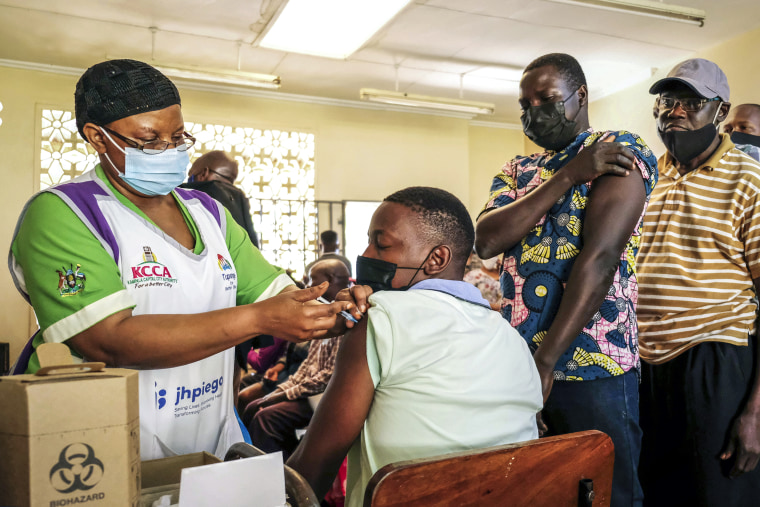
Moving forward, the situation may evolve based on the effectiveness of containment measures in the DRC and Uganda. Analysts expect that if surveillance efforts are successfully maintained, the risk to global regions outside the affected area could remain suppressed, though vigilance remains necessary as long as the virus is active.
Frequently Asked Questions
Which provinces in the Democratic Republic of the Congo are currently affected?
The reported cases are centered in the Ituri, North Kivu, and South Kivu provinces.
What is the status of the suspected cases in Italy?
On 25 May, two travelers from Uganda were hospitalized in isolation in Milan with symptoms consistent with haemorrhagic fever; however, laboratory testing officially ruled out Ebola disease.
What is the current risk assessment for the EU/EEA?
Although information remains limited, the current assessment indicates that the likelihood of infection for people living in the EU/EEA is very low.
How do you stay informed about international health developments when travelling abroad?