

ECT for Depression: Real-World Effectiveness Matches Research Findings
Electroconvulsive therapy (ECT) is as effective for treating depression in daily clinical practice as it is in controlled scientific studies, according to a large-scale study published in the journal Comprehensive Psychiatry. Researchers from Utrecht UMC, Amsterdam UMC, and GGZ inGeest found that perceived differences in success rates are caused by patient selection rather than the treatment’s performance.
Why does ECT effectiveness vary between studies and practice?
A phenomenon known as the “efficacy-effectiveness gap” often occurs when medical treatments perform better in trials than in real-world settings. This happens because scientific studies often use strict selection criteria, excluding patients with complex problems or additional health conditions.

To test if this gap applied to ECT, researchers analyzed data from 1,892 patients with depression. This data came from the Dutch ECT Consortium, which includes twelve research cohorts and ten practice cohorts from general hospitals, academic hospitals, and mental health institutions across the Netherlands.
What were the results of the Dutch ECT Consortium study?
Initial data showed that 67% of patients in research cohorts responded well to the treatment, compared to 59% in practice cohorts. The research group also showed a slightly larger decrease in depressive symptoms.
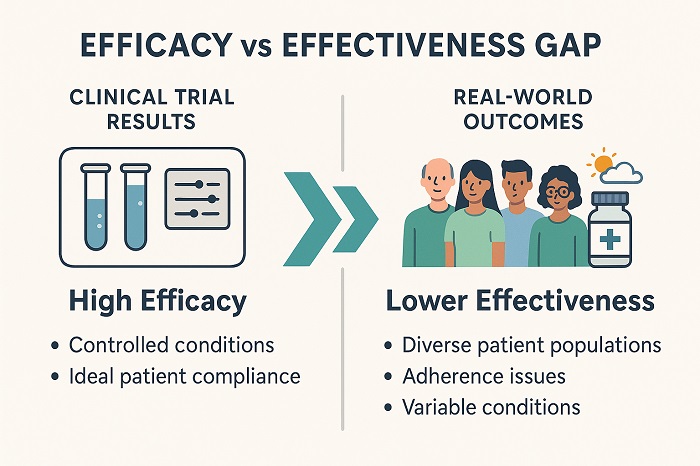
However, the percentage of patients whose symptoms largely disappeared did not differ significantly between the two groups. Researchers determined that the difference in response rates was due to the types of patients in each group.
Patients in research cohorts tended to be older and had shorter episode durations, both of which are linked to better outcomes. Conversely, patients in daily practice more often had personality disorders, anxiety disorders, or a history of failed treatments.
How does this affect depression treatment?
The study concludes that ECT is an effective option for a diverse group of people, including those with comorbid psychiatric conditions. According to the researchers, clinicians can present ECT as a viable option even for patients who would not meet strict scientific study criteria.
Researchers also advised treatment centers not to rely solely on research percentages when evaluating their own results. Because research groups are highly selected, their success rates may appear higher than real-world figures without meaning the treatment is actually superior in those settings.
What may happen next in ECT research?
Researchers are now calling for future studies to use more representative patient groups and fewer exclusion criteria. This shift could allow scientific trials to better reflect actual clinical practice.

A possible next step involves the use of large registration databases to gather broader insights. These databases may allow researchers to track patient experiences, cognitive functioning, and overall quality of life for those with co-occurring disorders.
Frequently Asked Questions
What is electroconvulsive therapy (ECT)?
ECT is a treatment administered under anesthesia where a short, controlled electrical stimulus is used to induce seizure activity in the brain. It is typically used for severe depression, especially when other treatments have failed.
Who is most likely to be excluded from ECT research studies?
Patients with complex medical profiles, such as those with additional psychiatric disorders like anxiety or personality disorders, are often excluded from scientific studies.
Does ECT work for patients with multiple psychiatric conditions?
Yes. According to the study, ECT remains effective for a broad and diverse group of people, including those with complex illness patterns or additional psychiatric diagnoses.
Do you believe medical trials should prioritize representative patient groups over strict control criteria?