
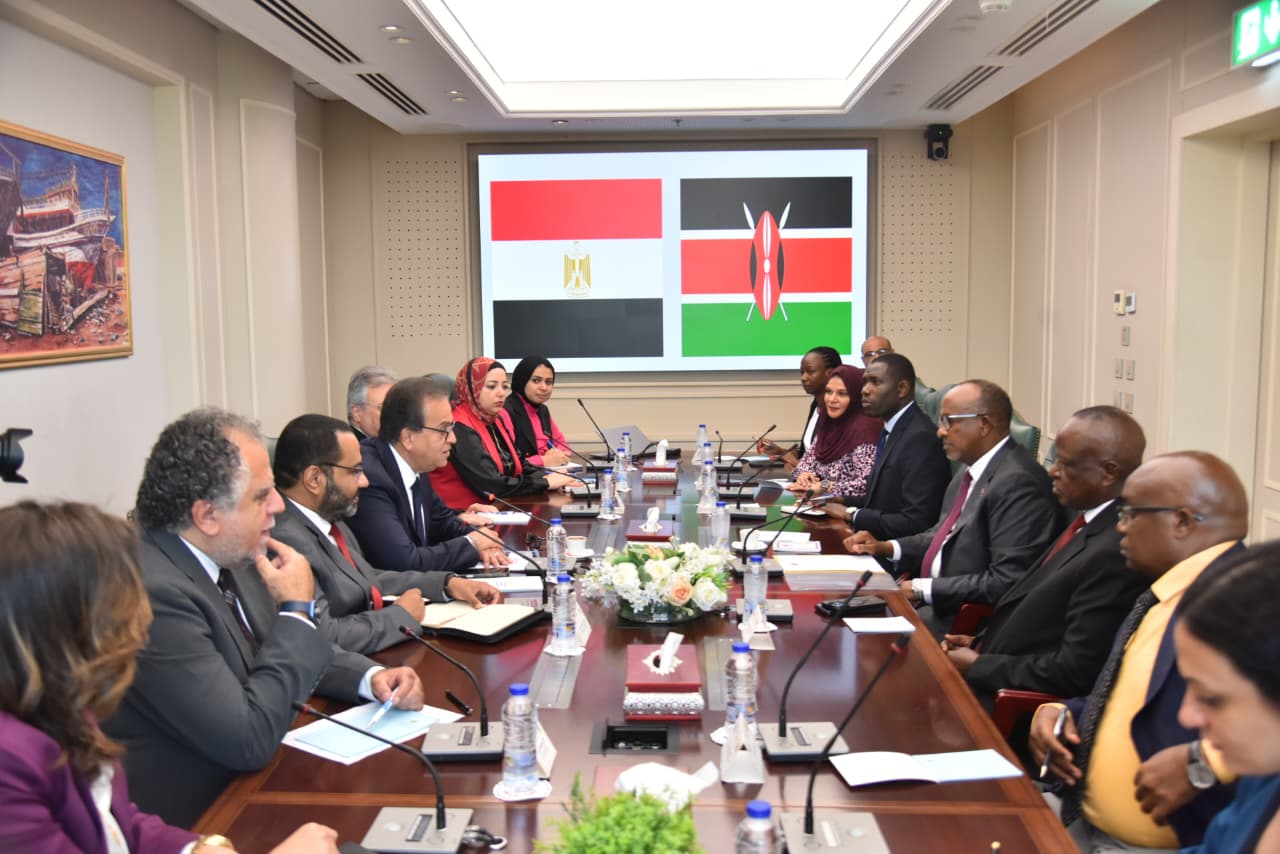
Egypt and Kenya Strengthen Healthcare and Pharmaceutical Cooperation
Egypt and Kenya are expanding bilateral healthcare cooperation to increase pharmaceutical security and reduce Africa’s reliance on imported medicines. According to Egypt’s Ministry of Health and Population, the partnership focuses on local vaccine manufacturing, the exchange of medical expertise in oncology and pediatrics, and the launch of the “Tour n’ Cure” medical tourism platform to attract African patients.
How will Egypt and Kenya reduce Africa’s reliance on medicine imports?
The two nations are prioritizing local manufacturing to stabilize the supply of essential drugs. Minister Khaled Abdel Ghaffar stated that Egypt’s Vaccine City and Biotechnology Project aims to produce up to 160 million doses annually. This capacity is designed to meet approximately 22% of the entire African continent’s vaccine needs.
To scale these efforts, the ministers discussed strengthening the African Pooled Procurement Mechanism (APPM). This system allows African nations to buy medical products in bulk, lowering costs and ensuring higher quality standards across borders.
What is the “One Health” approach and why does it matter now?
Minister Abdel Ghaffar emphasized the adoption of a “One Health” strategy to combat health crises. This approach recognizes that human health is inextricably linked to the health of animals and the shared environment.

The strategy is a direct response to climate change. As shifting weather patterns alter the habitats of disease-carrying vectors, the “One Health” model allows Egypt and Kenya to track and prevent zoonotic diseases—those that jump from animals to humans—before they become pandemics.
How does the VACSERA and BioVax partnership work?
The cooperation focuses on technology transfer between Egypt’s VACSERA and Kenya’s BioVax. Instead of simply exporting finished products, the goal is to share the technical “know-how” required to manufacture vaccines locally in Kenya.
This shift from consumption to production is a key trend in African healthcare. By building local capabilities, Kenya can reduce its vulnerability to global supply chain disruptions, a lesson learned during the COVID-19 pandemic when vaccine nationalism left many African nations at the back of the queue.
Can medical tourism bridge the gap in specialized care?
Egypt is positioning itself as a regional hub for complex medical procedures through the “Tour n’ Cure” platform. This initiative seeks to provide Kenyan patients with access to specialized treatments that may be unavailable locally.

According to Minister Abdel Ghaffar, the cooperation will specifically target high-complexity fields, including:
- Oncology: Sharing expertise in cancer treatment and early detection.
- Bone Marrow Transplantation: Providing advanced hematology services.
- Pediatric Care: Exchanging personnel to improve child health outcomes.
Egypt also shared its documented success in eliminating hepatitis C, offering its framework as a blueprint for other African nations tackling widespread viral infections. You can learn more about global health initiatives via the World Health Organization.
Frequently Asked Questions
What is the goal of the “Tour n’ Cure” platform?
It is a medical tourism initiative designed to attract African patients to Egypt for specialized healthcare services and surgeries.
How many vaccines can Egypt’s Vaccine City produce?
The project has an annual production capacity of up to 160 million doses, aiming to cover 22% of Africa’s needs.
What is the African Pooled Procurement Mechanism (APPM)?
The APPM is a system used to coordinate the purchase of medical products across Africa to ensure safety, quality, and lower costs through bulk buying.
Want to stay updated on African healthcare trends? Share your thoughts in the comments below or subscribe to our newsletter for the latest industry insights.