
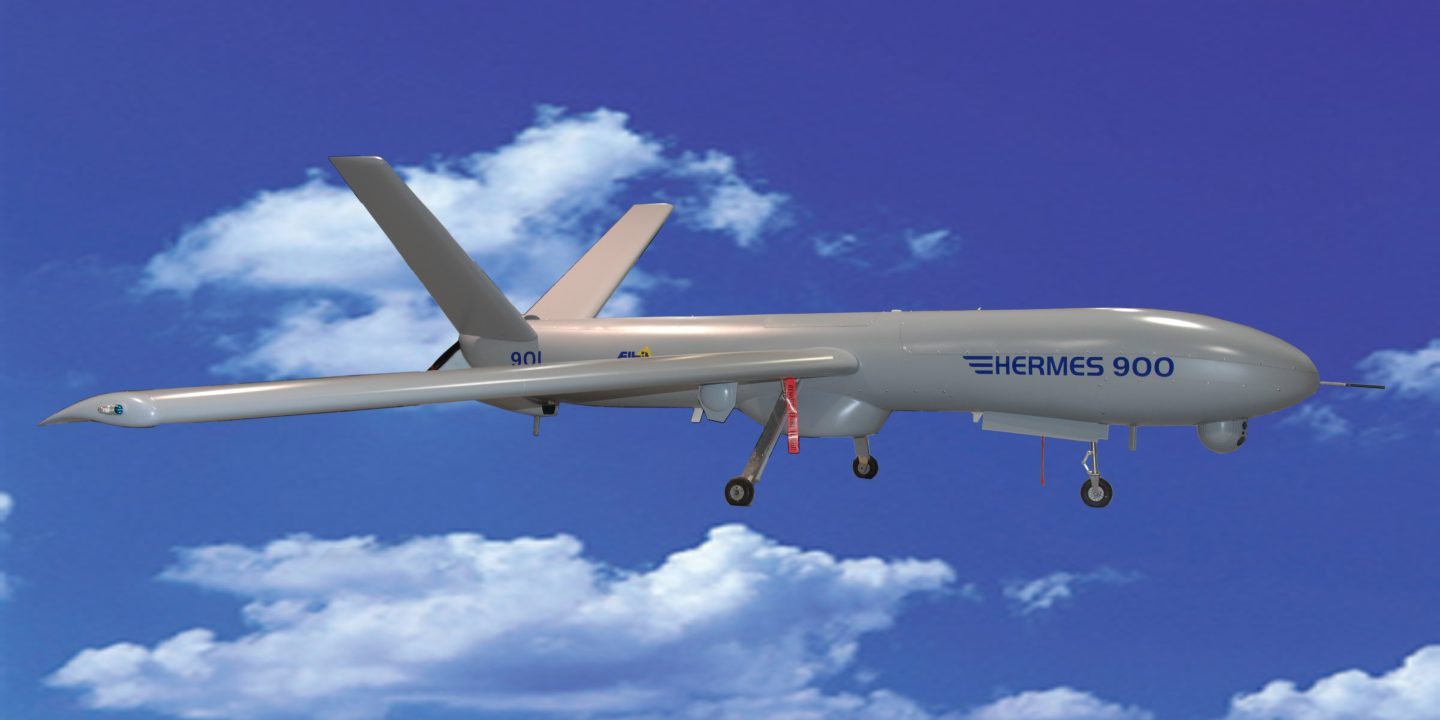
Elbit Systems Secures $1.4 Billion European Defense Contract
The New Blueprint of Modern Warfare: Beyond the Hardware
The recent multi-billion dollar deal between Elbit Systems and a European power isn’t just another procurement contract; it is a signal. We are witnessing a fundamental shift in how nations prepare for conflict. The focus has moved away from simply buying “more” equipment to creating “smarter,” integrated ecosystems.
For decades, military power was measured by the number of tanks or aircraft in a hangar. Today, the metric is connectivity. The integration of software-defined networks and autonomous systems is transforming the battlefield into a giant, real-time data grid.
The Rise of the Autonomous Frontline
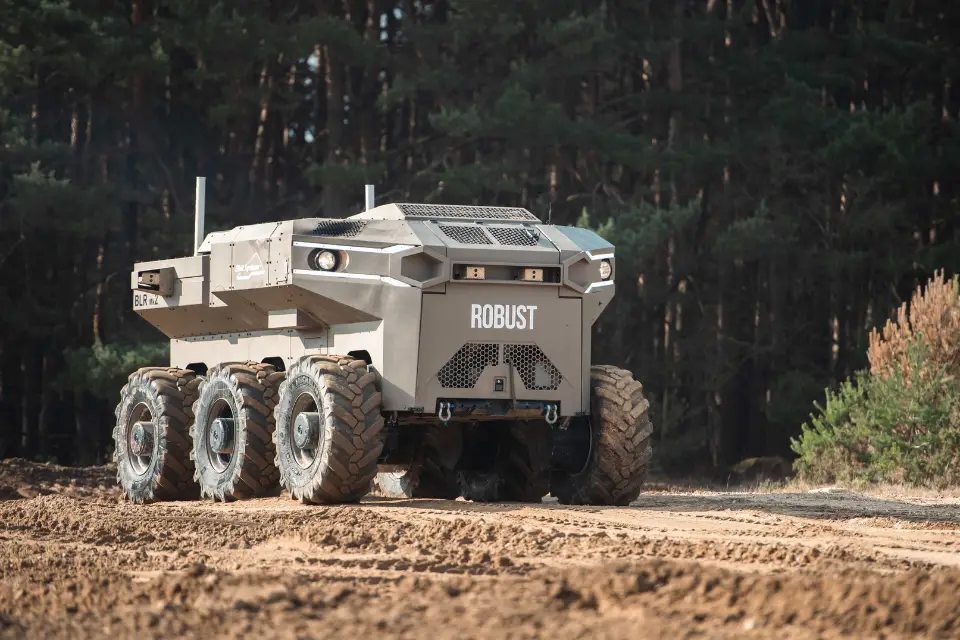
The inclusion of autonomous and unmanned systems in modern contracts highlights a grim but inevitable trend: the reduction of human risk through robotics. We are moving past simple remote-controlled drones into the era of “loitering munitions” and autonomous ground vehicles (UGVs).

These systems aren’t just tools; they are force multipliers. By deploying autonomous scouts, armies can map enemy positions without risking a single life. When paired with precision-guided artillery, the result is a “surgical” approach to warfare that minimizes collateral damage while maximizing impact.
Take, for example, the widespread use of FPV (First Person View) drones in recent Eastern European conflicts. This real-world data has accelerated the demand for autonomous countermeasures and electronic warfare (EW) suites to jam these signals.
Electronic Warfare: The Invisible Battlefield
While tanks and jets get the headlines, the real war is being fought in the electromagnetic spectrum. Electronic warfare is no longer a support function; it is a primary weapon.
Modern defense strategies now prioritize the ability to “blind” the enemy. This involves jamming communications, spoofing GPS signals, and intercepting encrypted data. A military that cannot communicate is a military that cannot fight.
The Convergence of AI and Sensor Fusion
The “electro-optical target acquisition” mentioned in recent industry trends refers to sensor fusion. Here’s the process of combining data from infrared cameras, radar, and acoustic sensors into a single, clear picture for the commander.
AI is the glue holding this together. Instead of a human operator staring at ten different screens, AI filters the noise and highlights only the actual threats. This reduces cognitive load and speeds up decision-making—a critical advantage in high-intensity conflict.
Industry 4.0: The Factory as a Weapon
The move toward AI-driven manufacturing and robotics in defense production is a response to a critical flaw in the global supply chain: lead times. Traditional defense procurement is notoriously slow, often taking years to deliver platforms.
By implementing “Smart Factories,” defense giants are shifting toward agile production. This allows them to update software and hardware iteratively, much like a tech company updates an app, rather than waiting for a decade-long redesign cycle.
This shift is essential for maintaining supply chain resilience in an era of geopolitical instability where demand can spike overnight.
The Geopolitical Friction Point
There is a growing paradox in global defense: the desperate need for cutting-edge technology versus the political volatility of the providers. As seen with various boycotts and restrictions on Israeli firms in Europe, the “ethics of procurement” are becoming a boardroom priority.

However, the technical gap between “off-the-shelf” equipment and integrated, AI-driven systems is widening. Many nations find themselves in a position where they must balance political optics with the strategic necessity of possessing the most advanced electronic warfare and autonomous capabilities available.
FAQ: The Future of Defense Tech
What is a software-defined network in a military context?
It is a network where the routing and management are handled by software rather than hardware, allowing the military to quickly reconfigure communications and resist jamming attempts.
Why is “sensor fusion” important?
Sensor fusion combines data from multiple sources (like radar and thermal imaging) to provide a more accurate and reliable picture of the battlefield, reducing errors and improving targeting.
How does AI reduce delivery times for military equipment?
AI optimizes the supply chain, predicts maintenance needs for factory machinery, and allows for additive manufacturing (3D printing) of complex parts, bypassing traditional long-lead casting processes.
Want to stay ahead of the curve?
The intersection of AI and global security is evolving daily. Join our community of industry experts to get deep-dive analyses delivered to your inbox.
Subscribe to the Defense Intelligence Newsletter
Or share your thoughts: Do you think autonomous systems make warfare more or less ethical? Let us know in the comments below.