

Elevator to the Gallows: How Miles Davis Defined This French Film Noir Classic
When Louis Malle released Ascenseur pour l’échafaud (Elevator to the Gallows) in 1958, he was just 25 years old. Drawing on his experience as a cameraman for Jacques-Yves Cousteau and a brief stint as an assistant to Robert Bresson, the young director crafted a film that stands as a unique intersection of noir cinema and political commentary.
A Sonic Masterpiece
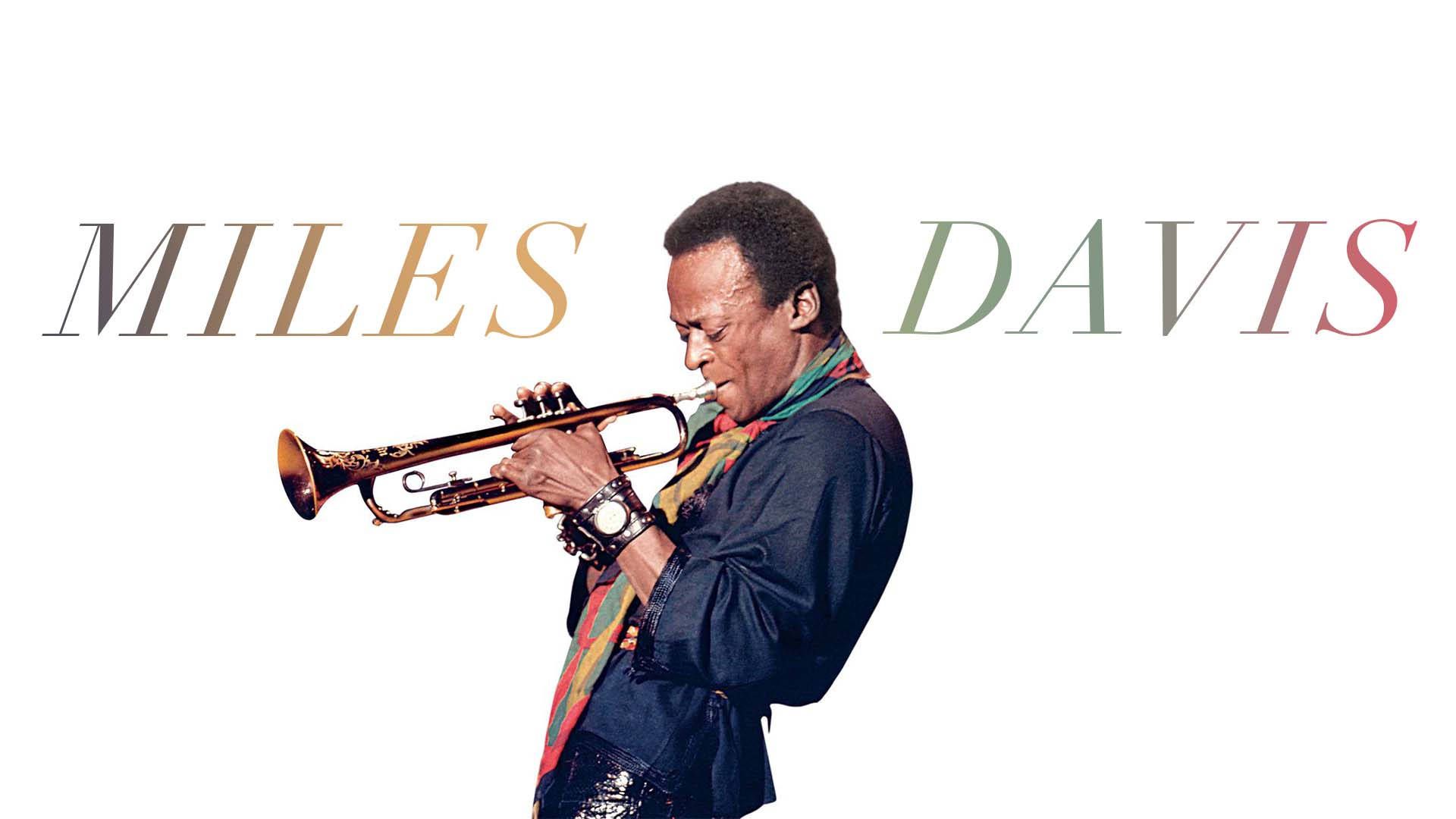
The film is perhaps most famous for its score, composed by jazz legend Miles Davis. Working in the studio on December 4, 1957, with musicians Barney Wilen, René Urtreger, Pierre Michelot, and Kenny Clarke, Davis improvised the music while watching loops of the film. The result is a haunting, evocative soundscape that elevates the thriller beyond its plot.
The music creates an atmosphere of lingering anxiety, reflecting the aimless wandering of Jeanne Moreau’s character, Florence, through the streets of Paris. Without this score, the film might have remained a standard late-fifties thriller; with it, it became a definitive piece of cinema.
Political Undercurrents
While the surface narrative follows a “perfect crime” gone wrong—where Julien Tavernier (Maurice Ronet) finds himself trapped in an elevator after forgetting a piece of evidence—the film carries a sharp political edge. Through a brief but pivotal confrontation between Julien and his employer, Simon Carala, the film addresses the human cost of colonial wars, specifically referencing Indochina and Algeria.
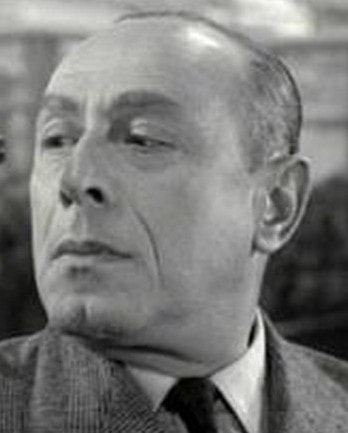
This dialogue, written with the help of Roger Nimier, suggests that the wars were merely “family properties” for the wealthy elite. By situating the film in the volatile climate of 1957, Malle offered a critique that resonated deeply with a France then grappling with the aftermath of the Battle of Algiers and ongoing regional conflicts.
Looking Ahead
As the film continues to be rediscovered by new generations, it is likely to remain a primary case study for the influence of improvised jazz in cinematic storytelling. Future analyses may continue to focus on the balance Malle struck between the technical mechanics of the thriller genre and the raw, unscripted emotion provided by Davis’s trumpet.
The film’s endurance suggests that its “residual anxiety”—that feeling of unease that persists after the screen goes dark—will continue to define its legacy. It serves as a reminder that the most powerful narratives are often those that refuse to provide simple answers to the questions they pose.
Frequently Asked Questions
What is the premise of Ascenseur pour l’échafaud?
The film follows Florence Carala and her lover, Julien Tavernier, who plan to murder Florence’s husband. The plot thickens when Julien becomes trapped in an elevator, and a separate incident involving two young people leads to him being falsely accused of a different crime.
How was the film’s music created?
Miles Davis and his quintet improvised the score in a single session by playing along to looped segments of the film. Davis was given only two chords to work with and minimal instructions.
What is the political significance of the film?
The film serves as a critique of colonial wars, highlighting the gap between those who profit from conflicts, such as the industrialist Simon Carala, and those who fight them, like the veteran Julien Tavernier.
Does the power of a film’s score change the way you interpret its political message?