
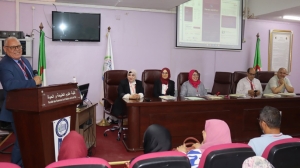
Immunology Scientific Day 2026: New Frontiers in Cancer Research and Immunotherapy
Researchers and medical professionals at Frères Mentouri Constantine 1 University recently convened for “Immunology Scientific Day 2026” to discuss the integration of modern immunotherapy and digital technologies in cancer treatment. According to event participants, advancements like CAR-T cell therapy and AI are now central to developing precision medicine for complex tumors.
The event was supervised by University Director Dr. Dehimat Al-Eid. It was organized by the Laboratory of Immunology and Biological Activities of Natural Substances, which operates under the Animal Biology Department of the Faculty of Nature and Life Sciences.
The gathering brought together professors, researchers, doctors, and students. They met to discuss the theme, “Where does immunology stand in cancer research? A close look.”
How is CAR-T cell therapy changing cancer treatment?
Participants highlighted that immunology is now a primary pillar of modern cancer research. They pointed to the promising results of immunotherapy, specifically CAR-T cell technology.
This technique involves modifying a patient’s own immune cells to target cancer cells with higher precision. According to the presenters, this approach has opened new possibilities for treating several types of resistant tumors.
What role does AI play in precision oncology?
The event emphasized the growing importance of artificial intelligence and bioinformatics. These tools allow researchers to analyze vast amounts of biological and genetic data.
According to the participants, this technological progress helps doctors better understand tumor nature. This leads to the development of treatments tailored to the specific needs of each patient.
How can scientific research become a commercial reality?
Professor Inas Belil, Director General of the National Agency for the Valorization of Research Results and Technological Development, spoke on linking research to economic growth. She stressed the importance of turning scientific findings into viable, innovative projects.

Belil encouraged students and researchers to pursue innovation paths. She specifically advocated for the creation of startups focused on scientific and technological fields.
The event concluded with a panel of experts who stated that fighting complex diseases like cancer requires close cooperation. They argued that immunology, medicine, technology, and industry must work together to turn discoveries into practical clinical solutions.
Frequently Asked Questions
What was the primary focus of the Immunology Scientific Day 2026?
The event focused on “Where does immunology stand in cancer research? A close look,” specifically examining immunotherapy, digital technologies, and precision medicine.
What is the function of CAR-T cell technology according to the event?
It is a technique that modifies a patient’s immune cells to target cancer cells more accurately, providing new options for treating resistant tumors.
Who advocated for the creation of startups based on research?
Professor Inas Belil, the Director General of the National Agency for the Valorization of Research Results and Technological Development, encouraged the transition from research to innovative startups.
How do you think the integration of AI will most impact patient care in the next decade?