

Eli Lilly’s Retatrutide: Next-Gen Triple-Action Drug for Obesity and Diabetes
Eli Lilly’s Retatrutide, a triple-agonist medication targeting GLP-1, GIP, and glucagon receptors, significantly reduced body weight and blood sugar levels in a Phase 3 clinical trial. According to results published in The Lancet, adults with type 2 diabetes taking the drug lost between 11.5% and 15.3% of their body weight over 40 weeks, far outpacing a placebo group’s 2.6% loss.
How does Retatrutide differ from existing weight loss drugs?
Retatrutide moves beyond the mechanisms used by current market leaders like Ozempic (semaglutide) and Mounjaro (tirzepatide). While those treatments primarily focus on appetite suppression through GLP-1 or GIP pathways, Retatrutide adds a third component: the glucagon receptor.
This triple-action approach doesn’t just stop hunger. It actively increases the body’s basal metabolic rate, forcing the system to burn more energy. By combining appetite control with metabolic stimulation, the drug aims to maximize the efficiency of weight loss.
What were the results of the Phase 3 clinical trial?
The study involved 930 adults living with type 2 diabetes. Researchers randomly assigned participants to receive either 4mg, 9mg, or 12mg doses of Retatrutide, or a placebo, over a 40-week period.
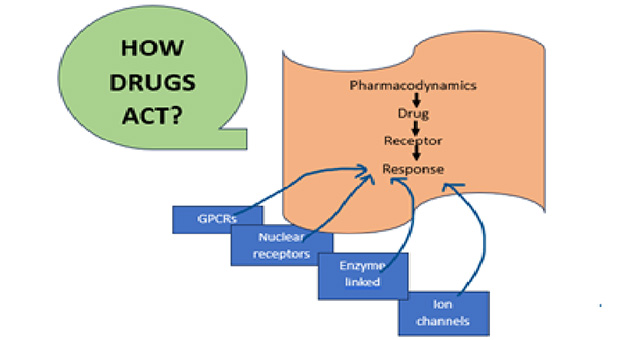
The data published in The Lancet showed a significant drop in HbA1c, a key indicator of long-term blood sugar control. Participants in the treatment groups saw their HbA1c levels fall by 1.7 to 1.9 percentage points, while the placebo group only saw a 0.8 percentage point decrease.
Beyond weight and glucose, the trial recorded meaningful improvements in cholesterol levels and blood pressure. Experts suggest these combined benefits could establish a new standard of care for patients struggling with both obesity and diabetes.
What are the potential risks and limitations?
Not all results were positive. The study reported that 14 patients experienced serious adverse reactions, highlighting the need for continued safety monitoring.
Marie Spreckley, a specialist and IMS epidemiology researcher at Cambridge University, urged caution regarding the drug’s perceived dominance. She pointed out that because the study compared the drug to a placebo rather than to semaglutide or tirzepatide, there isn’t yet enough evidence to prove it’s better than current options.
Additionally, researchers are closely watching how the drug affects muscle mass preservation during rapid weight loss, as maintaining lean muscle is critical for long-term metabolic health.
What happens next for metabolic disease treatment?
The success of this trial likely intensifies the competition among global pharmaceutical firms. If Retatrutide reaches the market, it could provide a broader range of options for patients who don’t respond well to current GLP-1 therapies.
However, some experts argue that medication isn’t a total solution. Cass MacCallum, an advisor to the Royal College of Physicians in the UK, stated that while these drugs can be life-changing, they aren’t a panacea. She emphasized that long-term health requires a system focused on prevention.
Future comparative trials may eventually allow doctors to offer precision prescriptions, matching specific drugs to a patient’s unique metabolic markers and symptoms.
Frequently Asked Questions
What is Retatrutide?
It is a next-generation “triple agonist” treatment developed by Eli Lilly that targets three hormone receptors—GLP-1, GIP, and glucagon—to treat obesity and type 2 diabetes.
How much weight did participants lose in the study?
According to The Lancet, participants lost an average of 11.5% to 15.3% of their body weight over 40 weeks, compared to 2.6% in the placebo group.
Is Retatrutide proven to be better than Ozempic or Mounjaro?
Not yet. According to Marie Spreckley of Cambridge University, the current study compared Retatrutide to a placebo, not to other existing blockbuster drugs, so direct superiority has not been established.
Do you think metabolic-boosting medications will eventually replace traditional weight loss methods?